

Choosing Between Positive Pressure and Negative Pressure for Polyethylene Resin Powder Conveying: Ho
When it comes to transporting polyethylene resin powder, selecting the right conveying method is crucial for efficiency, safety, and operational reliability. Two primary options are widely used in industrial settings: positive pressure conveying and negative pressure conveying. Understanding the differences between these two systems is essential for making an informed decision that aligns with specific production requirements. This article explores the key aspects of both positive and negative pressure systems, helping you distinguish between them and choose the most suitable solution for your polyethylene resin powder handling needs.
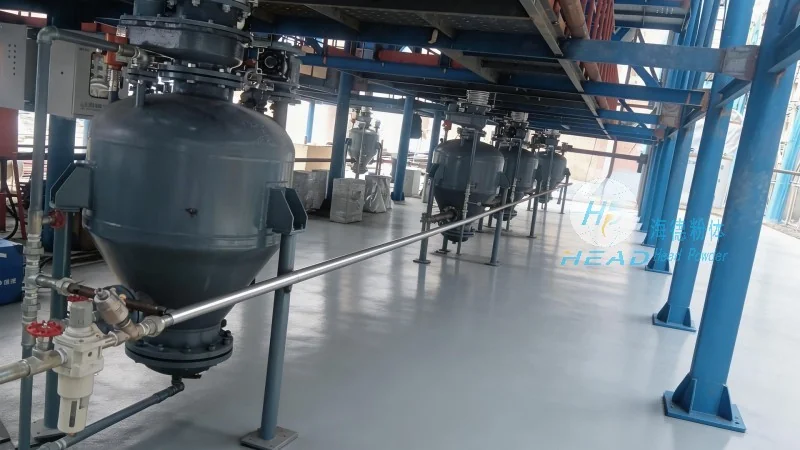
Positive Pressure Conveying Systems for Polyethylene Resin Powder
Positive pressure conveying, also known as pressure-fed or push-type systems, operates by generating a higher pressure within the conveying line than the ambient air pressure. This method uses a positive displacement blower or a rotary lobe pump to force air and the material through the pipeline. In the context of polyethylene resin powder, positive pressure systems are often preferred for applications involving abrasive or corrosive materials, as they can handle higher particle loads and maintain consistent flow rates. The system typically includes a hopper, a feeder, a positive displacement blower, and a pipeline network that transports the material to the destination point. The positive pressure ensures that the material is continuously pushed through the system, reducing the risk of clogging and ensuring reliable delivery. For polyethylene resin powder, which can be fine and prone to static, positive pressure systems often incorporate features like static control and filtration to maintain material quality and prevent dust emissions.
Negative Pressure Conveying Systems for Polyethylene Resin Powder
Negative pressure conveying, or vacuum-fed systems, works by creating a lower pressure inside the conveying line compared to the ambient air. This is achieved using a vacuum pump or a fan that pulls air and the material through the pipeline. Negative pressure systems are commonly used for applications where the material is light, fine, or where dust control is a priority. They are particularly effective for polyethylene resin powder because the vacuum helps to draw the material from the source, minimizing the need for mechanical feeding and reducing the risk of material degradation. The system typically consists of a hopper, a vacuum pump, a pipeline, and a receiver. The negative pressure creates a suction effect that pulls the material through the line, ensuring a smooth and continuous flow. However, negative pressure systems may be less suitable for handling abrasive or heavy polyethylene resin powders, as the vacuum may not provide enough force to move larger or denser particles efficiently. Additionally, they require careful maintenance to prevent dust leakage and ensure consistent performance.
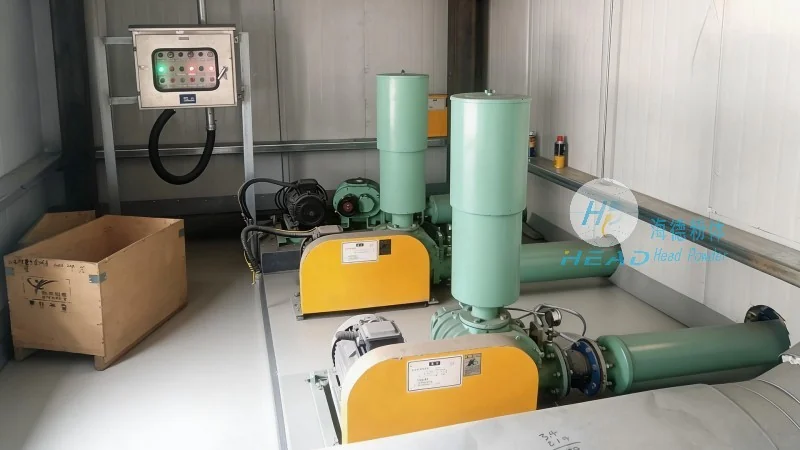
Distinguishing Between Positive and Negative Pressure Conveying for Polyethylene Resin Powder
Choosing between positive and negative pressure conveying for polyethylene resin powder depends on several factors, including the material characteristics, the distance to be conveyed, the required flow rate, and the environmental considerations. Here are some key points to help you differentiate between the two systems:
1. **Material Properties**: Positive pressure systems are better suited for handling abrasive or high-density polyethylene resin powders, as they can maintain consistent pressure and flow. Negative pressure systems are ideal for fine, light powders that are less likely to cause wear on the equipment. The particle size and moisture content of the polyethylene resin powder also play a role; finer particles may require a more controlled suction in negative pressure systems to avoid clogging.
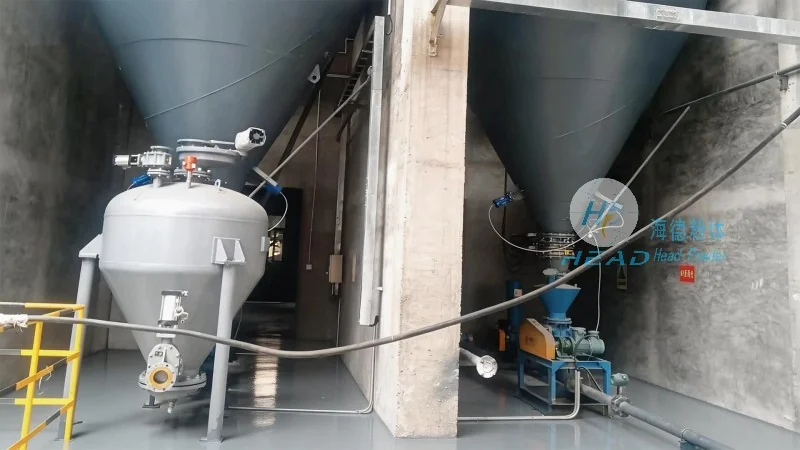
2. **Conveying Distance and Pressure Drop**: Positive pressure systems are generally more effective for longer conveying distances, as they can maintain higher pressure to overcome friction losses in the pipeline. Negative pressure systems are more suitable for shorter distances, as the vacuum may not be sufficient to transport material over long distances without excessive pressure drop. The required pressure drop in the pipeline is a critical factor; positive pressure systems can handle higher pressure drops, while negative pressure systems may struggle with significant pressure losses.
3. **Dust Control and Environmental Impact**: Negative pressure systems excel in dust control, as the vacuum helps to capture and contain particles, reducing emissions. Positive pressure systems may require additional filtration and dust collection equipment to meet environmental regulations. For polyethylene resin powder, which can be a source of fine dust, negative pressure systems are often preferred in environments where air quality is a concern.
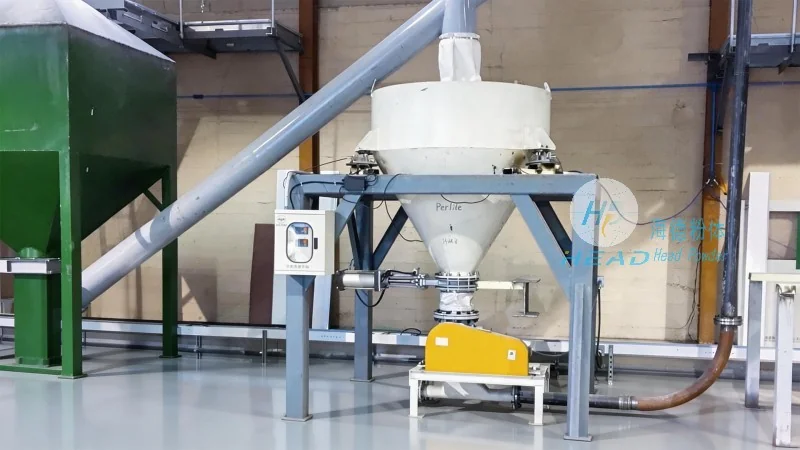
4. **Equipment Maintenance and Cost**: Positive pressure systems typically have higher initial costs due to the need for robust blower or pump equipment, but they may have lower maintenance costs over time as they are less prone to clogging. Negative pressure systems are generally less expensive to install but may require more frequent maintenance to prevent dust buildup and ensure the vacuum pump operates efficiently.
About Shandong HeadPowder Engineering Co., Ltd.
Shandong HeadPowder Engineering Co., Ltd., commonly known as HeadPowder, is a leading manufacturer specializing in conveying systems for various industrial powders, including polyethylene resin. With a focus on innovation and quality, HeadPowder provides comprehensive solutions tailored to the unique needs of each client. The company's expertise lies in designing and manufacturing both positive and negative pressure conveying systems, ensuring that customers can choose the most appropriate technology for their polyethylene resin powder handling applications. HeadPowder's products are engineered to meet international standards and are backed by a team of experienced engineers who provide technical support and after-sales service. The company's commitment to customer satisfaction and product reliability has made it a trusted partner in the industry, serving clients across China and beyond.