

Choosing Between Positive Pressure and Negative Pressure for Methylcellulose Delivery: How to Distin
When it comes to the delivery of methylcellulose, selecting the appropriate method—whether positive pressure or negative pressure—is crucial for ensuring efficient and reliable operation. Methylcellulose, a widely used thickening and stabilizing agent in various industries, requires careful consideration of delivery systems to maintain its quality and performance. This article aims to explore the key differences between positive pressure and negative pressure delivery for methylcellulose, providing insights into how to make an informed decision based on specific application needs.
Understanding Methylcellulose and Its Delivery Requirements
Methylcellulose is a non-ionic polymer derived from cellulose, commonly used in industries such as food, pharmaceuticals, and construction. Its properties, including viscosity, solubility, and stability, depend heavily on the delivery method employed. The choice between positive pressure and negative pressure systems directly impacts the consistency of the final product, as well as the equipment's longevity and operational costs. Therefore, understanding the fundamentals of each delivery approach is essential for optimizing methylcellulose handling processes.
Positive Pressure Delivery Systems
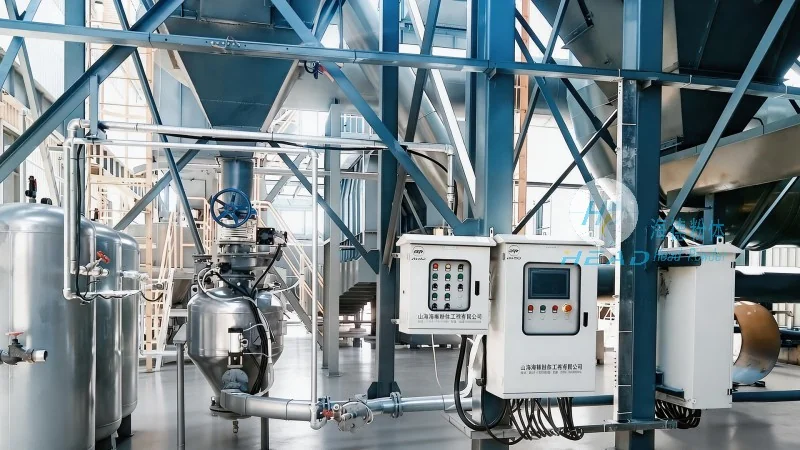
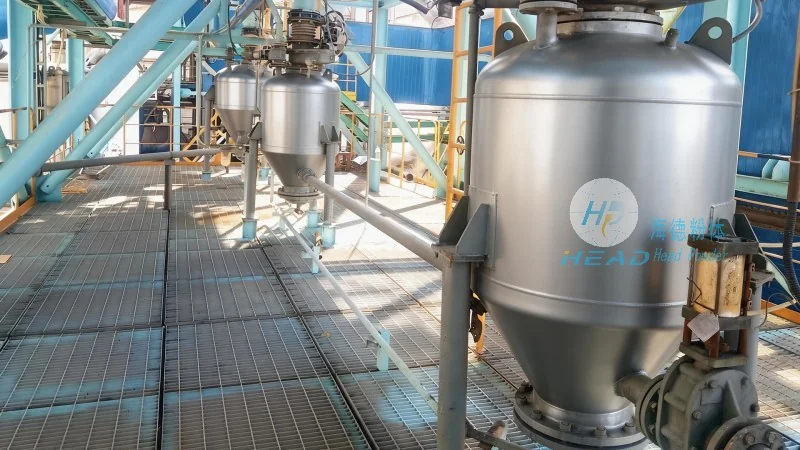
Positive pressure delivery, also known as pneumatic conveying with pressure, involves pushing the material through a pipeline using compressed air or other gases. This method is particularly effective for transporting methylcellulose in bulk quantities, as it can handle high flow rates and maintain consistent pressure throughout the system. The primary advantage of positive pressure is its ability to move materials over longer distances without significant pressure loss, making it suitable for large-scale production facilities. Additionally, positive pressure systems are generally more reliable in handling abrasive or fibrous materials, which may be present in methylcellulose formulations.
Negative Pressure (Suction) Delivery Systems
Negative pressure delivery, or suction conveying, operates by creating a vacuum in the pipeline to draw the material from a source. This method is often preferred for smaller-scale applications or when the material needs to be transferred from a lower elevation to a higher one. The key benefit of negative pressure is its lower energy consumption compared to positive pressure, as it relies on the natural flow of air rather than external pressure. However, negative pressure systems are more susceptible to pressure drops and can be less efficient for transporting fine powders like methylcellulose, which may settle or clog the pipeline under low pressure conditions.
Key Factors to Consider When Choosing Between Delivery Methods
When deciding between positive pressure and negative pressure delivery for methylcellulose, several factors must be evaluated. First, the distance and elevation changes between the source and destination are critical. Positive pressure is generally more suitable for long horizontal or vertical distances, while negative pressure may be better for short, low-elevation transfers. Second, the material's properties, such as particle size, moisture content, and flowability, play a significant role. Methylcellulose, being a fine powder, may require positive pressure to prevent clogging and ensure smooth flow. Third, the system's energy efficiency and operational costs are important considerations. Positive pressure systems may have higher energy demands due to compressed air usage, whereas negative pressure systems offer lower energy consumption but may require more maintenance to prevent blockages.
Distinguishing Between Positive and Negative Pressure Systems
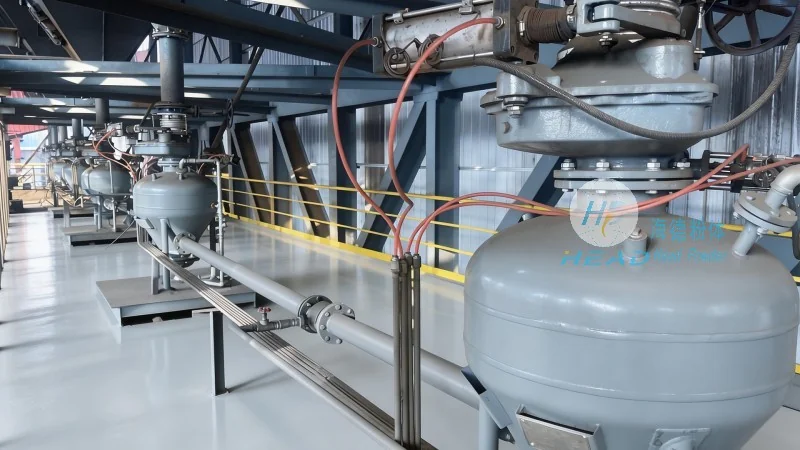
There are several practical ways to distinguish between positive and negative pressure delivery systems for methylcellulose. First, observe the direction of air flow: in positive pressure systems, air is pushed through the pipeline, while in negative pressure systems, air is drawn into the system to create suction. Second, check the pressure readings: positive pressure systems maintain a positive pressure above atmospheric, whereas negative pressure systems operate below atmospheric pressure. Third, consider the equipment used: positive pressure typically involves blowers or compressors, while negative pressure relies on vacuum pumps or fans. These visual and operational cues can help identify the type of delivery system being used and ensure it aligns with the specific requirements of the methylcellulose application.
Case Study: Application in the Food Industry
For example, in the food industry, methylcellulose is commonly used as a thickener in sauces and dressings. A positive pressure delivery system might be employed to transport the powder from a storage silo to a mixing tank, ensuring consistent dosing and preventing clogging in the pipeline. Conversely, a negative pressure system could be used to transfer the finished product from a processing line to a packaging unit, where the lower pressure helps maintain the product's quality without affecting its texture. The choice of system in such cases depends on the scale of production, the distance between the storage and processing areas, and the need for precise control over the methylcellulose concentration.
Conclusion and Recommendations
Ultimately, the decision between positive pressure and negative pressure delivery for methylcellulose delivery depends on a combination of operational, technical, and economic factors. Positive pressure systems offer higher efficiency for long-distance and high-volume transport, while negative pressure systems provide cost savings for shorter, lower-elevation transfers. By carefully evaluating the specific needs of the application, including distance, material properties, and energy requirements, manufacturers can select the most appropriate delivery method to ensure optimal performance and reliability. As a leading provider of engineering solutions, Shandong HeadPowder Engineering Co., Ltd. specializes in designing and implementing customized delivery systems tailored to the unique demands of methylcellulose handling, helping clients achieve efficient and cost-effective operations.