

Several Pneumatic Conveying Solutions for Aluminum Sulfate
Aluminum sulfate, a widely used chemical in water treatment and other industrial processes, often requires efficient and reliable transportation methods to ensure smooth operations. Pneumatic conveying has emerged as a preferred solution for handling this material due to its ability to transport powders over long distances with minimal dust and contamination. This article explores several effective pneumatic conveying solutions tailored for aluminum sulfate, highlighting key considerations and practical implementations.

Pneumatic Conveying Systems Overview
Pneumatic conveying systems utilize air or gas to move bulk materials like aluminum sulfate from one location to another. These systems can be broadly categorized into two main types: pressure and vacuum. Pressure systems use compressed air to push material through a pipeline, while vacuum systems use suction to draw material into the system. For aluminum sulfate, which is a fine powder, a well-designed system must address issues such as material flow, air consumption, and system efficiency.
Option 1: Dilute Phase Pneumatic Conveying
Dilute phase pneumatic conveying is a common method for transporting aluminum sulfate, especially over moderate distances. In this approach, the material is suspended in a high-velocity air stream, allowing it to travel through the pipeline. The system typically operates at air velocities above the material's terminal velocity, ensuring consistent flow. This method is suitable for applications where the conveying distance is up to several hundred meters and where the material is relatively free-flowing. The key advantage of dilute phase conveying is its simplicity and low capital cost, making it an attractive option for many industrial settings.
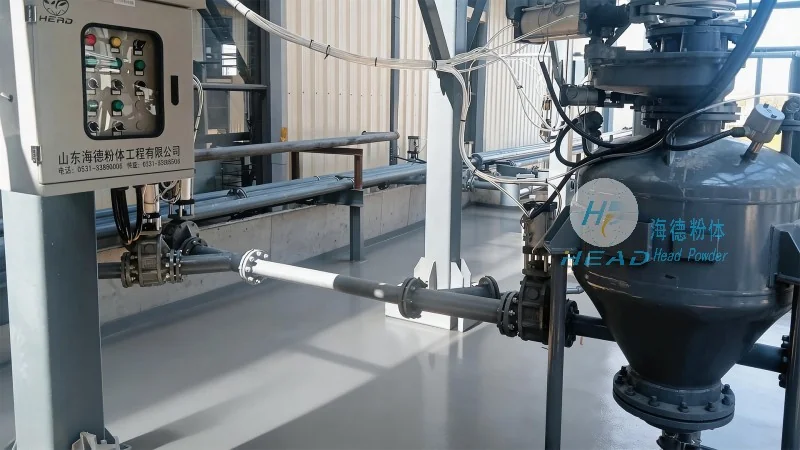
Option 2: Dense Phase Pneumatic Conveying
For longer conveying distances or when handling more challenging materials, dense phase pneumatic conveying may be more appropriate. In this system, the material is conveyed in a lower velocity air stream, often with a higher air-to-material ratio, resulting in a denser flow. This method reduces the risk of material degradation and is better suited for materials that are prone to bridging or caking. Dense phase conveying can handle longer distances, typically up to several kilometers, and is ideal for applications requiring precise control over material flow. The primary drawback is higher air consumption compared to dilute phase systems, but the benefits in terms of material protection and reliability often justify the additional cost.
Option 3: Hybrid Pneumatic Conveying Systems
Hybrid systems combine elements of both dilute and dense phase conveying to offer a flexible solution for aluminum sulfate transportation. These systems can switch between modes depending on the conveying requirements, such as distance or material characteristics. For example, a hybrid system might use dilute phase for the initial segment of the pipeline and then transition to dense phase for the final portion to ensure efficient and reliable delivery. This approach provides optimal performance while minimizing energy consumption and operational complexity. Hybrid systems are particularly useful in applications where the conveying distance varies or where the material properties change over time.
Key Considerations for Aluminum Sulfate Pneumatic Conveying
When selecting a pneumatic conveying solution for aluminum sulfate, several factors must be carefully evaluated. First, the material's physical properties, such as particle size, density, and flowability, play a critical role in determining the most suitable system. Aluminum sulfate is typically a fine powder with a relatively high density, which can affect air velocity and pressure requirements. Second, the conveying distance and layout of the system are important considerations, as they influence the choice between pressure, vacuum, or hybrid systems. Third, the need for material containment and dust control is essential, especially in industrial environments where safety and environmental regulations are strict. Proper sealing and filtration of the system can prevent dust emissions and ensure compliance with local regulations.
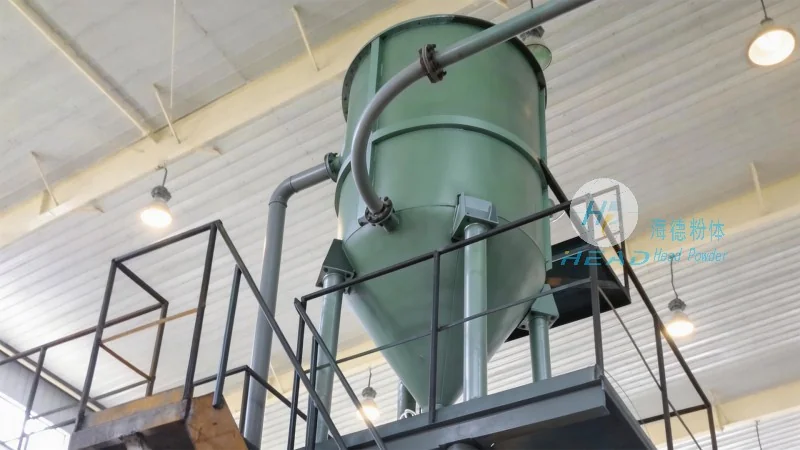
HeadPowder Engineering's Expertise in Pneumatic Conveying
Shandong HeadPowder Engineering Co., Ltd., a leading provider of bulk material handling solutions, specializes in designing and implementing pneumatic conveying systems for aluminum sulfate and other industrial powders. With years of experience in the field, HeadPowder has developed a deep understanding of the unique challenges associated with aluminum sulfate transportation. The company's team of engineers and technicians work closely with clients to assess their specific needs and provide customized solutions that meet their operational requirements. HeadPowder's approach emphasizes efficiency, reliability, and safety, ensuring that the chosen system delivers optimal performance while minimizing downtime and maintenance costs.
Conclusion
Pneumatic conveying offers several effective solutions for the transportation of aluminum sulfate, with options ranging from simple dilute phase systems to complex hybrid designs. The choice of system depends on factors such as conveying distance, material properties, and operational requirements. By carefully evaluating these factors and working with experienced professionals like Shandong HeadPowder Engineering Co., Ltd., industries can select the most suitable pneumatic conveying solution to ensure efficient and reliable handling of aluminum sulfate. Whether for water treatment plants, chemical manufacturers, or other industrial applications, the right pneumatic conveying system can significantly improve operational efficiency and reduce costs over time.