

Design Considerations for Paint Pneumatic Conveying System Solutions
When designing a paint pneumatic conveying system, several critical factors must be considered to ensure efficient, reliable, and cost-effective operation. The system's performance is directly influenced by the selection of components, material handling characteristics, and operational parameters. This article outlines key design considerations that professionals in the industry should address when developing a paint pneumatic conveying solution.
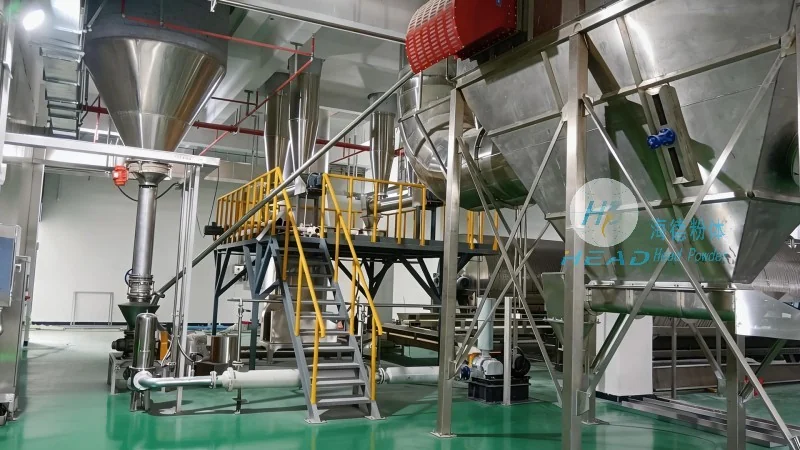
Key Design Considerations for Paint Pneumatic Conveying
1. **Material Properties Analysis**: The first step in designing a paint pneumatic conveying system involves a thorough analysis of the paint's physical and chemical properties. Paints can vary significantly in terms of particle size, moisture content, viscosity, and abrasiveness. Understanding these properties is essential for selecting the appropriate conveying method (e.g., dilute phase or dense phase) and determining the required air pressure and flow rates. For example, fine-grained paints may require a dilute phase system with higher air velocities to prevent clogging, while more viscous or abrasive paints might necessitate a dense phase system with lower velocities to reduce wear on equipment.
2. **System Layout and Integration**: The layout of the paint pneumatic conveying system should be carefully planned to minimize material handling distances and avoid unnecessary turns or changes in elevation. The system should be integrated with existing production lines or storage facilities to ensure seamless operation. Factors such as the location of the paint source, destination, and intermediate storage points must be considered to optimize the system's efficiency. A well-designed layout can reduce energy consumption and improve overall throughput.
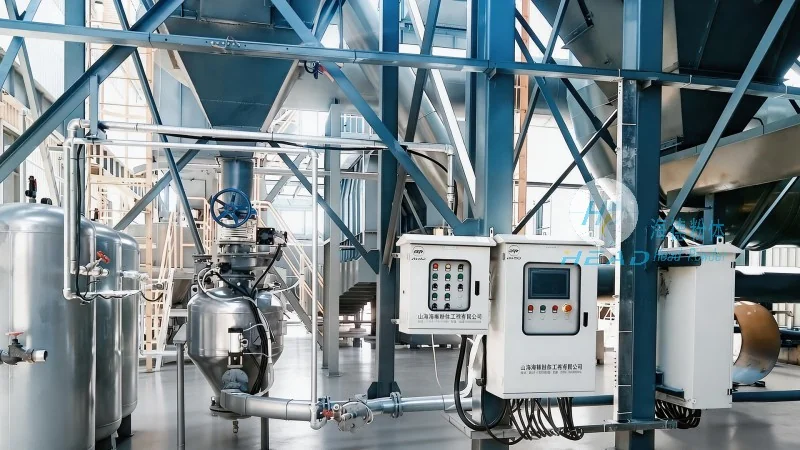
3. **Air Flow and Pressure Management**: Proper management of air flow and pressure is crucial for the effective operation of a paint pneumatic conveying system. The air velocity must be sufficient to maintain the material in suspension but not so high as to cause excessive wear on the system components. The pressure drop across the system should be minimized to reduce energy consumption. Engineers must calculate the required air volume and pressure based on the material's properties and the system's design specifications. This involves considering factors like the length of the conveying line, the number of bends, and the size of the ductwork.
4. **Equipment Selection**: The choice of equipment, including the blower, ductwork, and material handling components, is critical to the system's performance. The blower must be capable of providing the necessary air pressure and volume while operating efficiently. Ductwork should be sized appropriately to minimize pressure losses and ensure consistent air flow. Material handling components, such as cyclones, filters, and valves, must be selected based on the paint's properties and the system's operational requirements. For instance, cyclones are commonly used for separating paint from air, and their design must be optimized to handle the specific characteristics of the paint being conveyed.
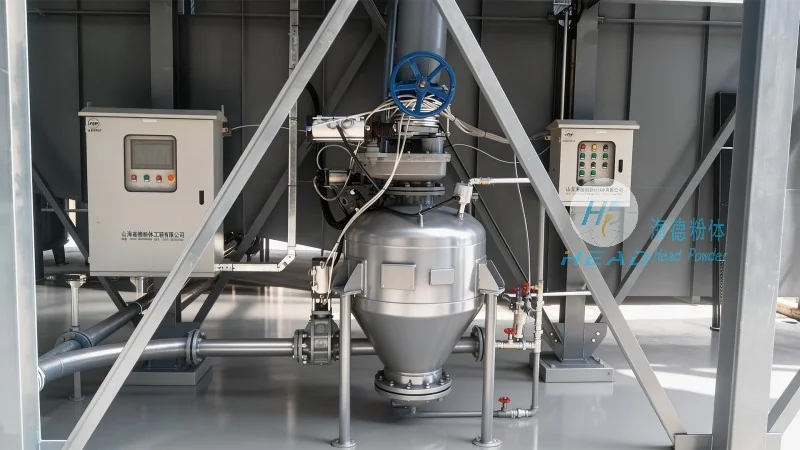
5. **Safety and Environmental Considerations**: Safety is a top priority when designing a paint pneumatic conveying system. Proper ventilation and dust control measures must be implemented to prevent the accumulation of flammable or toxic paint particles. The system should be equipped with safety features such as pressure relief valves and emergency shut-off mechanisms. Environmental regulations must also be considered, as the system may generate dust or emissions that need to be controlled. Compliance with local and national regulations is essential to avoid legal issues and ensure the system operates in an environmentally responsible manner.
HeadPowder's Expertise in Paint Pneumatic Conveying Solutions
Shandong HeadPowder Engineering Co., Ltd., a leading provider of industrial conveying solutions, specializes in designing and implementing paint pneumatic conveying systems tailored to the unique needs of clients. With years of experience in the industry, HeadPowder's team of engineers and technicians understands the complexities of paint handling and can provide comprehensive solutions that meet the highest standards of performance and reliability.
HeadPowder's approach to system design involves a thorough analysis of the client's requirements, including the type of paint, production volume, and operational constraints. The company uses advanced engineering tools and software to model the system and optimize its performance before implementation. This ensures that the final solution is efficient, cost-effective, and meets all safety and environmental regulations.
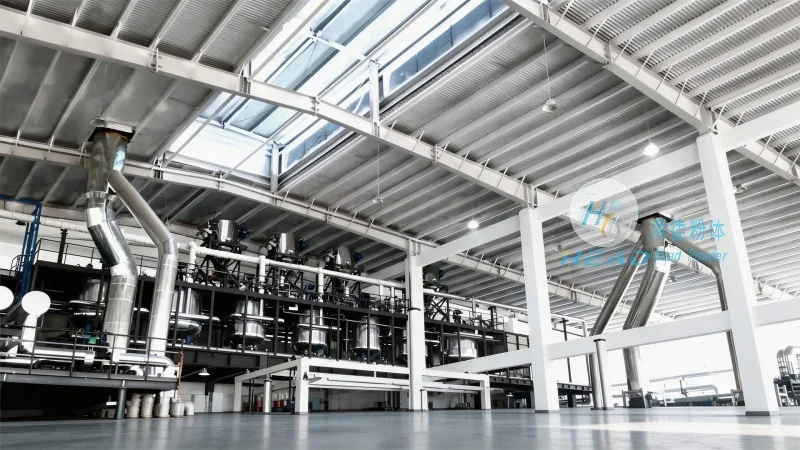
HeadPowder's expertise extends to the selection and integration of all system components, from the blower and ductwork to the material handling equipment. The company works closely with clients to ensure that the system is tailored to their specific needs, whether it's a new installation or an upgrade to an existing system. HeadPowder's commitment to quality and customer satisfaction has made it a trusted partner for many companies in the paint and coatings industry.
Conclusion: Optimizing Paint Pneumatic Conveying Systems
Designing an effective paint pneumatic conveying system requires careful consideration of material properties, system layout, air flow management, equipment selection, and safety/environmental factors. By addressing these key considerations, engineers can develop a system that maximizes efficiency, reduces costs, and ensures reliable operation. Shandong HeadPowder Engineering Co., Ltd. offers expert guidance and comprehensive solutions to help clients achieve their goals in paint handling and processing. With its focus on quality, innovation, and customer satisfaction, HeadPowder is a reliable partner for companies seeking to optimize their paint pneumatic conveying systems.