

Design Considerations for Soybean Meal Pneumatic Conveying System Solutions
When it comes to designing an efficient and reliable soybean meal pneumatic conveying system, several critical factors must be carefully evaluated to ensure optimal performance, safety, and longevity. The system's design directly impacts the overall efficiency of material handling in industrial settings, particularly in food processing and agricultural sectors. This article outlines key design considerations and solutions provided by Shandong HeadPowder Engineering Co., Ltd., a leading provider of specialized engineering services for material handling systems.
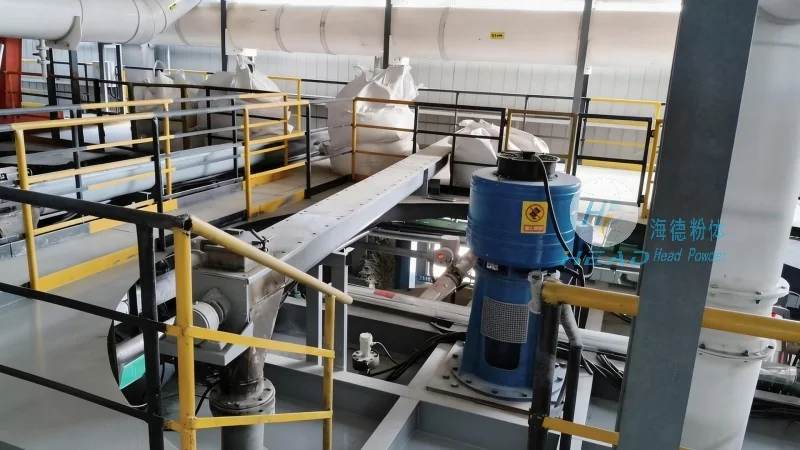
Introduction to Soybean Meal Pneumatic Conveying System Design
Pneumatic conveying systems are widely used for transporting bulk materials like soybean meal due to their ability to handle fine powders and minimize dust exposure. These systems utilize air or gas to move material through a network of pipes, offering advantages such as reduced contamination, lower labor costs, and improved safety compared to traditional mechanical conveying methods. However, the design of a pneumatic conveying system for soybean meal requires a thorough understanding of material properties, flow characteristics, and operational requirements. At HeadPowder, we specialize in tailoring solutions that meet the unique demands of each client, ensuring that the system is both effective and cost-efficient.
Key Design Considerations for Efficient Soybean Meal Handling
Several critical design considerations are essential for the successful implementation of a soybean meal pneumatic conveying system. First, the material's physical properties, including particle size, density, and moisture content, must be thoroughly analyzed. Soybean meal is a fine powder with specific flow characteristics that can affect the system's pressure drop and air consumption. Proper selection of the conveying velocity and pipe diameter is crucial to maintain a stable flow and prevent material buildup or blockages. Additionally, the system's layout and the distance between the feed point and discharge point must be optimized to minimize energy consumption and operational costs. HeadPowder engineers employ advanced computational fluid dynamics (CFD) and material flow analysis tools to simulate and refine the system design before implementation, ensuring that the final solution meets all performance criteria.
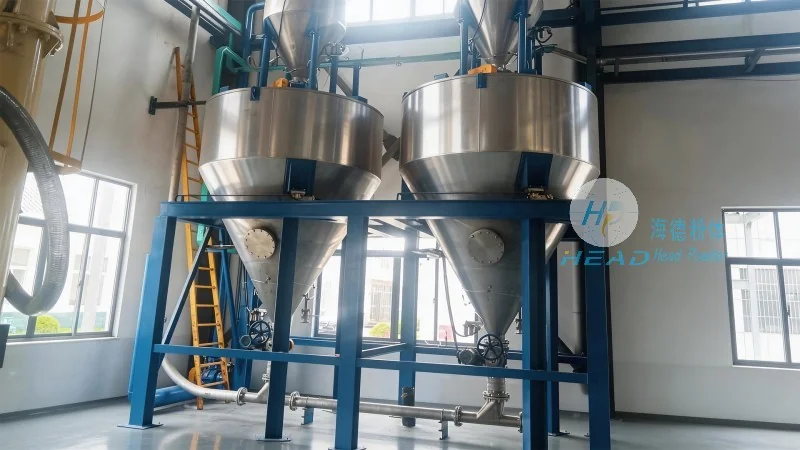
Equipment Selection and System Configuration
The selection of appropriate equipment is a pivotal step in designing a soybean meal pneumatic conveying system. Key components include the feeder, air compressor, filter, and control system. The feeder must be capable of handling the specific characteristics of soybean meal, such as its fine particle size and potential for bridging or caking. At HeadPowder, we recommend using rotary or vibratory feeders that can maintain a consistent material flow rate, preventing surges or interruptions that could lead to system inefficiencies. The air compressor is another critical component, as its capacity and pressure must match the system's requirements. We typically recommend high-efficiency, oil-free compressors to ensure the purity of the conveyed material and reduce maintenance costs. The filter system is essential for maintaining air quality and preventing dust accumulation in the system, which can affect performance and safety. Our engineers design custom filter systems that are tailored to the specific dust load and material properties of soybean meal, ensuring optimal filtration efficiency.
Material Flow Analysis and Pressure Drop Management
Accurate material flow analysis is fundamental to the design of a pneumatic conveying system for soybean meal. Pressure drop, which refers to the reduction in air pressure as it moves through the system, is a key parameter that determines the system's performance. Excessive pressure drop can lead to higher energy consumption and reduced conveying capacity, while insufficient pressure drop may result in material deposition or blockages. HeadPowder utilizes sophisticated software tools to model the material flow and calculate the optimal pressure drop for the system. This analysis considers factors such as pipe diameter, length, material properties, and conveying velocity. By optimizing these parameters, we can ensure that the system operates at its most efficient point, minimizing energy costs and maximizing throughput. Additionally, the system's layout, including the number and placement of bends and elbows, is carefully designed to minimize pressure losses and maintain a smooth flow of material.
Safety and Maintenance Protocols for Pneumatic Conveying Systems
Safety is a top priority when designing and operating pneumatic conveying systems, especially when handling materials like soybean meal. Proper safety measures include the installation of pressure relief valves, emergency shut-off systems, and dust collection equipment. These components help prevent over-pressurization and reduce the risk of dust explosions, which are a significant concern in powder handling applications. At HeadPowder, we adhere to strict safety standards and guidelines, ensuring that all systems are designed and manufactured to meet or exceed industry regulations. Regular maintenance is also crucial for the long-term performance and reliability of the system. We recommend implementing a preventive maintenance schedule that includes inspections of the feeder, compressor, and filter system, as well as cleaning and replacement of components as needed. Our team provides comprehensive maintenance services to ensure that the system operates at peak efficiency and remains safe for operation.
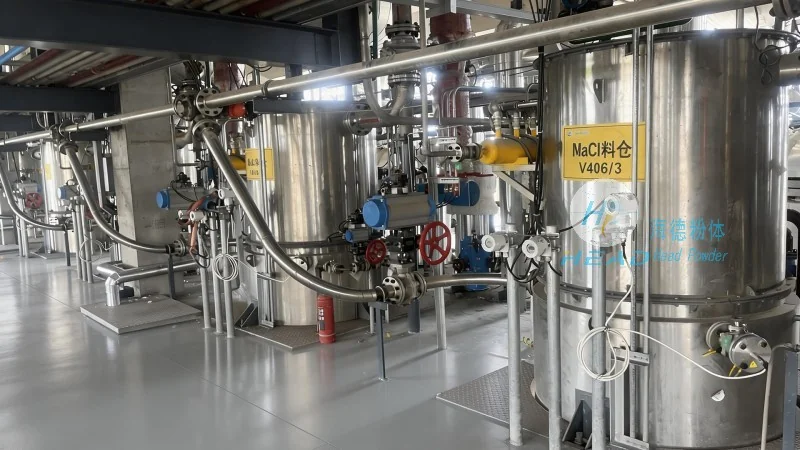
Customization and Scalability Options for Diverse Industrial Needs
Every industrial facility has unique requirements when it comes to material handling, and a one-size-fits-all approach is rarely effective. HeadPowder offers customized pneumatic conveying solutions that are tailored to the specific needs of each client. Whether the system is for a small-scale operation or a large industrial plant, our engineers can design a solution that meets the exact specifications. We also provide scalable systems that can be expanded or modified as the facility's needs change over time. This flexibility allows clients to invest in a system that grows with their business, avoiding the need for costly replacements or upgrades. Our team works closely with clients to understand their operational requirements, budget constraints, and long-term goals, ensuring that the final solution is both effective and sustainable.
Company Profile and Professional Expertise
Shandong HeadPowder Engineering Co., Ltd. is a leading provider of specialized engineering services for material handling systems, with a focus on pneumatic conveying solutions for soybean meal and other bulk materials. HeadPowder has extensive experience in designing and implementing efficient and reliable systems for a wide range of industries, including food processing, agriculture, and chemical manufacturing. Our team of experienced engineers and technicians is dedicated to providing high-quality solutions that meet the highest standards of performance and safety. HeadPowder is committed to delivering innovative and sustainable solutions that help our clients improve their operational efficiency and reduce costs. With our headquarters in Shandong, China, we serve clients both domestically and internationally, providing comprehensive support and expertise to ensure the success of each project.