

Several Solutions for the Pneumatic Conveying of Mica Powder
When it comes to transporting mica powder efficiently and safely, selecting the right pneumatic conveying system is crucial. The choice of system depends on various factors including the material characteristics, the distance to be covered, and the desired level of control over the process. In this article, we explore several effective solutions for the pneumatic conveying of mica powder, highlighting the advantages and practical applications of each approach.
Understanding Pneumatic Conveying Systems
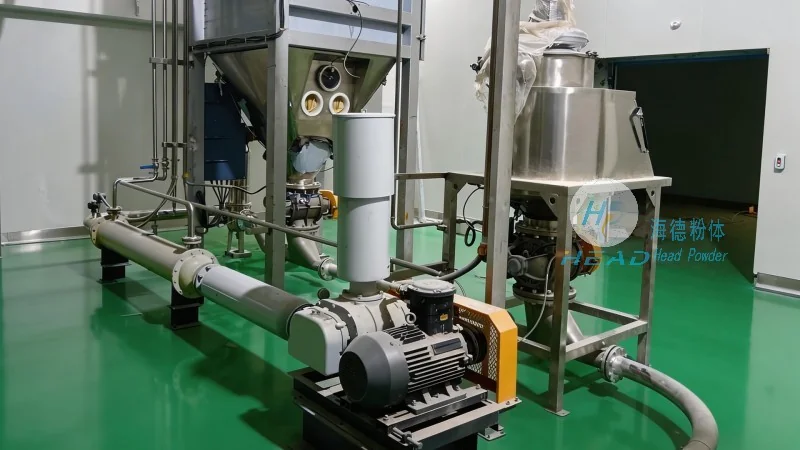
Pneumatic conveying systems utilize air or gas to transport bulk materials like mica powder from one location to another. These systems are widely used in industries such as mining, chemicals, and food processing due to their ability to handle fine powders without the need for mechanical components that might cause contamination or damage to the product. The primary goal is to achieve a reliable, low-maintenance, and cost-effective method of material transport.
Option 1: Positive Pressure Conveying
Positive pressure conveying systems operate by blowing air into the material stream, creating a pressure higher than the ambient air. This method is particularly effective for transporting mica powder over short to medium distances, typically up to several hundred meters. The system consists of a blower, a hopper, and a series of pipes that guide the material to the destination. The high pressure ensures that the powder moves smoothly through the system, minimizing the risk of blockages or clogging. This approach is ideal for applications where the material needs to be conveyed in a continuous flow and where the destination is relatively close to the source.
Option 2: Negative Pressure (Vacuum) Conveying
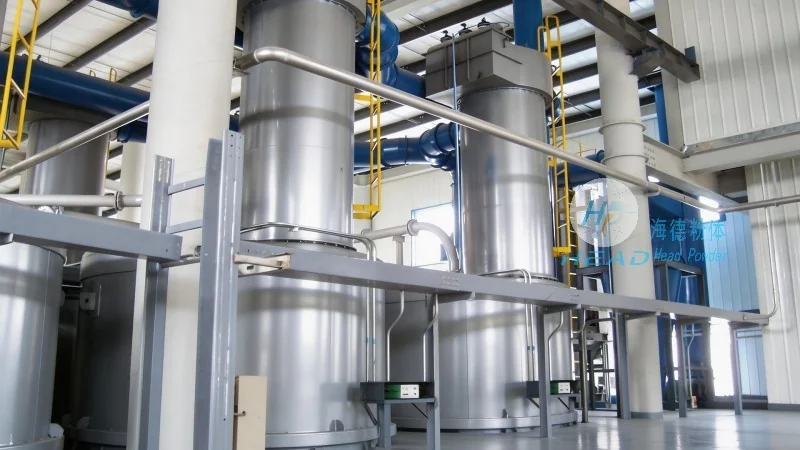
Negative pressure or vacuum conveying systems work by creating a vacuum in the conveying line, which draws the mica powder from the source to the receiver. This method is well-suited for longer distances and for handling materials that are sensitive to pressure changes or that require gentle handling. The vacuum system can be more complex to set up but offers greater flexibility in terms of the layout of the conveying lines. It is often used in applications where the material needs to be transported from multiple points to a central collection point, as the vacuum can be maintained across a network of pipes.
Option 3: Hybrid or Mixed-Pressure Conveying
Hybrid or mixed-pressure conveying systems combine elements of both positive and negative pressure systems. This approach is particularly useful when dealing with mica powder that has varying particle sizes or when the conveying distance is long and involves both upward and downward inclines. The system may use a positive pressure section to move the material from the source to an intermediate point and then switch to a negative pressure section to transport it to the final destination. This hybrid approach offers enhanced control over the flow rate and pressure, ensuring that the material is conveyed efficiently without excessive energy consumption.
Key Considerations for Mica Powder Conveying
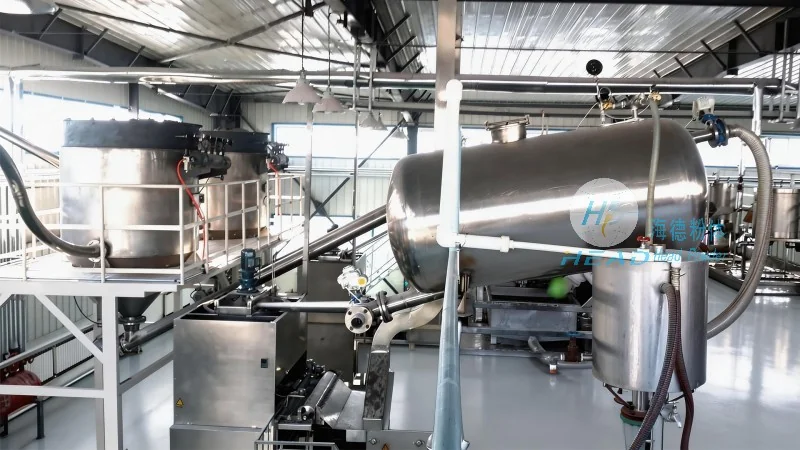
When selecting a pneumatic conveying system for mica powder, several key factors must be considered. The first is the particle size and density of the mica powder, as these characteristics affect the air velocity required for effective transport. Larger particles may require higher air velocities to prevent settling or clogging. The second factor is the distance and layout of the conveying line, as this influences the choice between positive, negative, or hybrid systems. Additionally, the need for dust control and environmental compliance is critical, as mica powder can be a fine particulate that may pose health and safety risks if not handled properly. Proper filtration and sealing of the system are essential to maintain air quality and prevent contamination.
HeadPowder's Expertise in Pneumatic Conveying Solutions
Shandong HeadPowder Engineering Co., Ltd., a leading provider of bulk material handling solutions, specializes in designing and implementing pneumatic conveying systems tailored to the specific needs of mica powder applications. With years of experience in the industry, HeadPowder understands the unique challenges associated with handling fine powders like mica, including issues related to flowability, dust generation, and system efficiency. The company's team of engineers works closely with clients to assess their operational requirements and recommend the most suitable conveying system, whether it's a positive pressure, negative pressure, or hybrid solution.
Customized Solutions for Optimal Performance
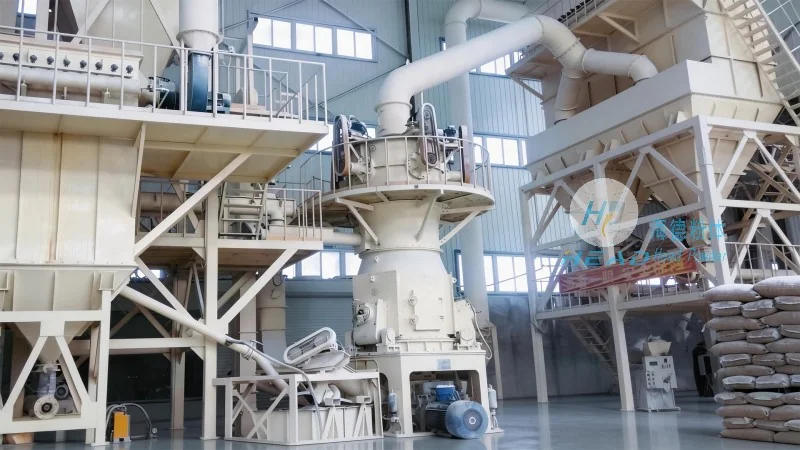
HeadPowder offers customized pneumatic conveying solutions that are designed to meet the specific demands of each mica powder application. The company's approach involves a thorough analysis of the material properties, the operational environment, and the client's production goals. By considering factors such as the required flow rate, the distance to be covered, and the desired level of automation, HeadPowder develops systems that maximize efficiency and minimize downtime. The company's commitment to quality and innovation ensures that clients receive systems that are not only effective but also durable and easy to maintain. Whether a client needs a system for short-distance transport or a complex network for multi-point collection, HeadPowder provides tailored solutions that deliver reliable performance.
Conclusion: Choosing the Right Pneumatic Conveying System
Selecting the appropriate pneumatic conveying system for mica powder is essential for ensuring efficient, safe, and cost-effective material transport. By understanding the different options available—positive pressure, negative pressure, and hybrid systems—and considering factors such as material characteristics, distance, and operational needs, businesses can make informed decisions that enhance their production processes. With the expertise and experience of companies like Shandong HeadPowder Engineering Co., Ltd., clients can rely on tailored solutions that address their unique challenges and help them achieve optimal performance in their mica powder handling operations.