

Several Solutions for Ammonium Nitrate Pneumatic Conveying
Ammonium nitrate (AN) is a vital chemical compound widely utilized in the fertilizer industry, as well as in sectors like explosives and industrial manufacturing. The safe and efficient handling of AN is of utmost importance due to its sensitivity and potential hazards. Pneumatic conveying systems provide a reliable method for transporting AN from storage facilities to processing plants or for distribution. This article examines several effective solutions for the pneumatic conveying of ammonium nitrate, focusing on key considerations and technologies involved.

HeadPowder Engineering: Expertise in Pneumatic Conveying Systems
Shandong HeadPowder Engineering Co., Ltd., a leading provider of engineering solutions for bulk material handling, specializes in designing and implementing pneumatic conveying systems tailored to the unique requirements of ammonium nitrate. With a strong emphasis on safety, efficiency, and compliance with industry standards, HeadPowder has established itself as a trusted partner for clients in the chemical and fertilizer sectors. The company’s headquarters is located in Shandong, China, where it leverages local expertise and resources to deliver high-quality solutions.
Option 1: Dilute Phase Pneumatic Conveying
Dilute phase pneumatic conveying is a common method for transporting ammonium nitrate, particularly over moderate distances. This system utilizes low-pressure air to create a dilute suspension of the material, which is then carried through a pipeline. The key advantages of this approach include high conveying rates, minimal material degradation, and reduced risk of blockages. However, it requires a larger volume of air compared to other methods, which can increase energy consumption. The system typically consists of a feed hopper, a rotary valve, a conveying line, and a receiver. Proper design of the air velocity and pipeline diameter is crucial to ensure stable operation and prevent particle separation.

Option 2: Dense Phase Pneumatic Conveying
Dense phase pneumatic conveying is another effective solution for ammonium nitrate transport, especially when longer distances or higher material density are involved. Unlike dilute phase systems, dense phase conveying uses higher pressure and lower air velocity to create a dense suspension of the material. This method is particularly suitable for handling materials that are prone to degradation or that require gentle handling. The dense phase system can transport AN at a higher concentration, reducing the overall air volume needed. It also offers better control over the material flow, minimizing the risk of clogging and ensuring consistent delivery. The equipment includes a positive displacement blower or compressor, a surge tank, and a receiver. Proper maintenance of the pressure control system is essential to maintain the dense phase condition.
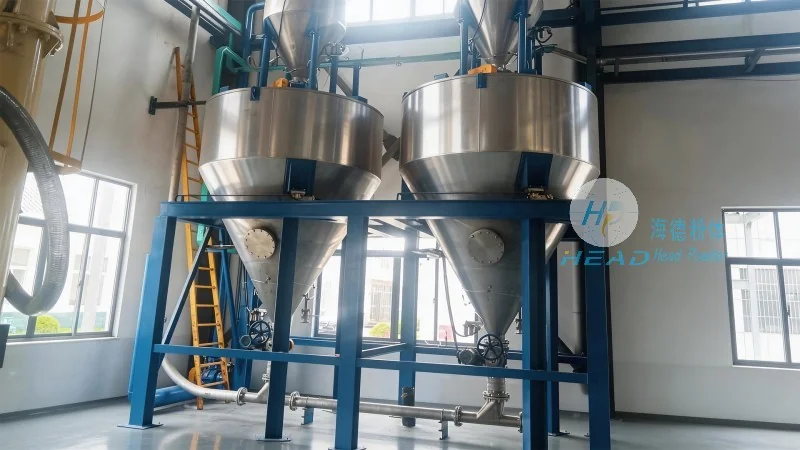
Option 3: Hybrid Pneumatic Conveying Systems
Hybrid pneumatic conveying systems combine elements of both dilute and dense phase methods to optimize performance for specific applications. These systems are designed to handle varying material characteristics and operational requirements. For instance, a hybrid system might use a dilute phase for the initial transport and then transition to a dense phase for the final delivery to a processing unit. This approach allows for flexibility in conveying distances and material flow rates. The hybrid system typically includes a combination of components from both methods, such as a rotary valve for feeding, a positive displacement blower for pressure control, and a receiver with a surge tank. The control system is critical in managing the transition between phases to ensure smooth and efficient operation.
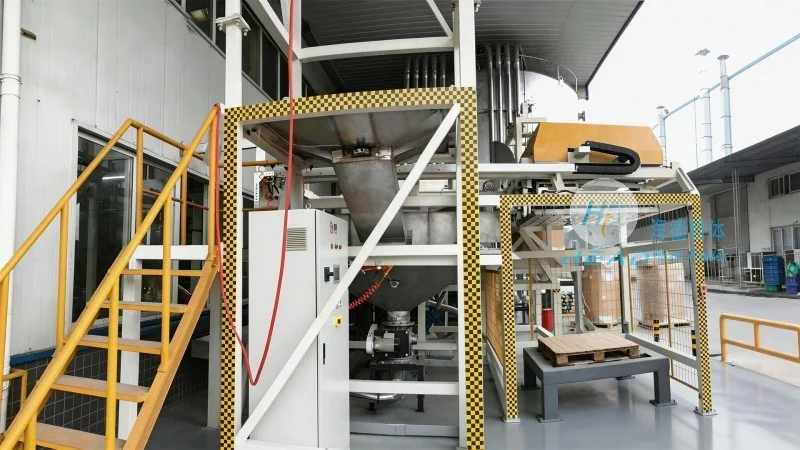
Advantages and Considerations for Each Solution
Each pneumatic conveying solution for ammonium nitrate has its own set of advantages and considerations. Dilute phase systems are ideal for short to medium distances and when high throughput is required, but they may consume more energy. Dense phase systems are better suited for longer distances and when the material needs to be handled gently, though they require higher pressure equipment. Hybrid systems offer a balanced approach, allowing for flexibility and optimization based on specific operational needs. Factors such as material properties, distance, and desired throughput must be carefully evaluated when selecting the appropriate system.
Conclusion and Contact Information
Choosing the right pneumatic conveying solution for ammonium nitrate is critical to ensure safe and efficient operation. Shandong HeadPowder Engineering Co., Ltd. provides expert consultation and customized solutions to meet the unique needs of clients. With its headquarters in Shandong, China, the company leverages local knowledge and resources to deliver high-quality, reliable systems. For more information or to discuss specific requirements, please contact HeadPowder Engineering.