

Several Solutions for the Pneumatic Conveying of Calcium Oxide
When it comes to the efficient and reliable transportation of calcium oxide, companies in the industrial sector often seek advanced solutions that can handle the unique properties of this material. As a leading provider in the field, Shandong HeadPowder Engineering Co., Ltd., commonly known as HeadPowder, offers several effective strategies for pneumatic conveying. This article explores the key approaches and considerations for handling calcium oxide through pneumatic systems, ensuring optimal performance and safety in industrial applications.
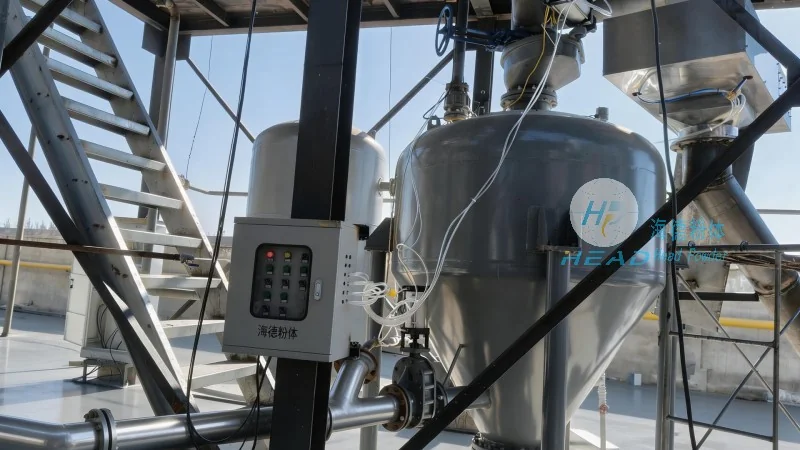
Understanding Calcium Oxide and Its Conveying Challenges
Calcium oxide, also known as quicklime, is a highly reactive and abrasive material that requires specialized handling to prevent equipment wear and ensure consistent material flow. Its density, particle size distribution, and reactivity make traditional bulk handling methods less suitable. Pneumatic conveying systems provide a flexible and efficient solution by using air or other gases to transport the material through pipelines. However, the choice of system depends on factors such as the material's characteristics, the distance to be conveyed, and the required throughput.
Key Pneumatic Conveying Solutions for Calcium Oxide
HeadPowder offers a range of pneumatic conveying solutions tailored to the specific needs of calcium oxide applications. The primary methods include positive pressure systems, negative pressure systems, and hybrid systems, each with distinct advantages and applications.
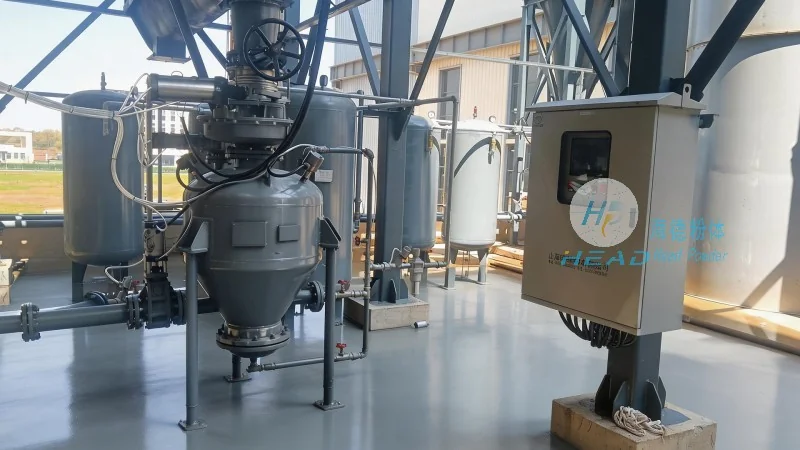
Positive Pressure Pneumatic Conveying Systems
Positive pressure systems are commonly used for calcium oxide due to their ability to handle abrasive and reactive materials. In this approach, air is supplied under pressure at the material feed point, pushing the material through the pipeline. This method is effective for conveying over longer distances and can handle high volumes of material. The positive pressure ensures that the material is continuously propelled, reducing the risk of clogging and ensuring consistent flow. HeadPowder's positive pressure systems are designed with robust components, such as high-quality pumps and filters, to withstand the abrasive nature of calcium oxide and maintain long-term performance.
Negative Pressure Pneumatic Conveying Systems
Negative pressure systems, also known as vacuum systems, are another viable option for calcium oxide transportation. In this method, a vacuum is created at the receiving end, drawing the material from the source. This approach is particularly useful for applications where the material needs to be conveyed from a higher elevation or over shorter distances. Negative pressure systems are often preferred for their ability to handle fine powders and reduce dust emissions. However, they may require more maintenance and are generally less suitable for long-distance or high-volume conveying compared to positive pressure systems.
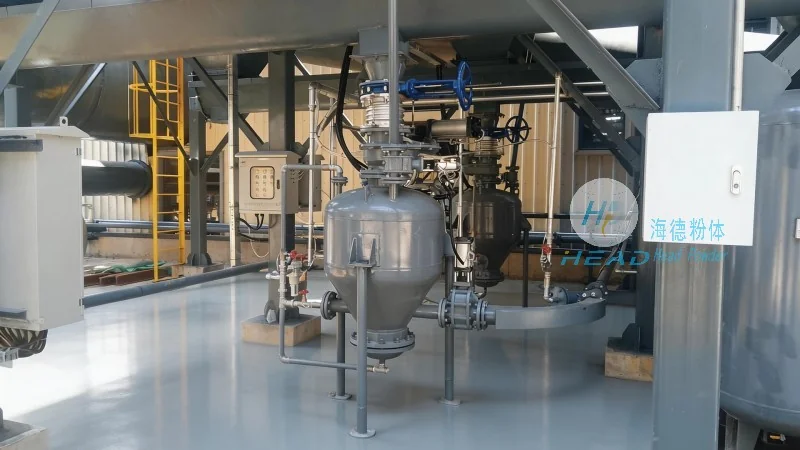
Hybrid Pneumatic Conveying Systems
Hybrid systems combine elements of both positive and negative pressure systems, offering a versatile solution for calcium oxide handling. These systems can start with a positive pressure feed to move the material through the initial pipeline and then switch to a negative pressure section for the final delivery. This approach allows for flexibility in conveying different material types and distances. HeadPowder's hybrid systems are designed to optimize energy consumption and material flow, making them an efficient choice for complex conveying applications.
Material Handling Considerations and Equipment Selection
When implementing pneumatic conveying for calcium oxide, several factors must be considered to ensure optimal performance. The choice of equipment, such as the type of air compressor, pipeline diameter, and material feed device, is critical. For calcium oxide, which is abrasive and reactive, components made from corrosion-resistant materials, such as stainless steel or special alloys, are recommended to extend equipment life and maintain material quality. Additionally, proper filtration and dust collection systems are essential to prevent dust accumulation and ensure compliance with environmental regulations.
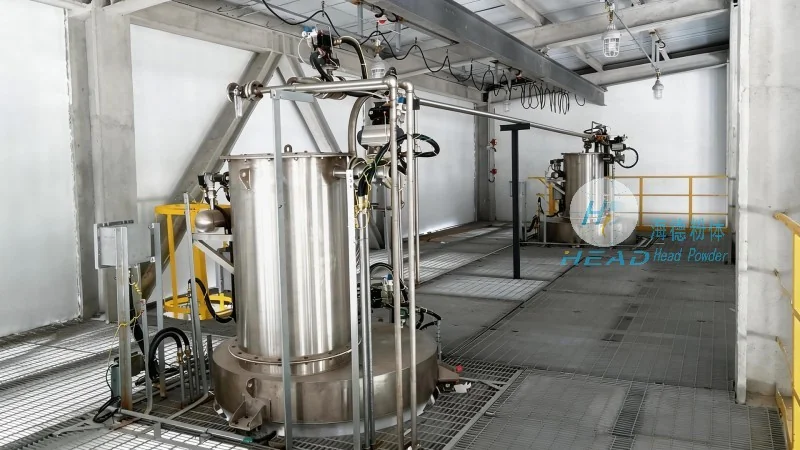
Benefits of Pneumatic Conveying for Calcium Oxide
Adopting pneumatic conveying solutions for calcium oxide offers several advantages over traditional methods. These include reduced labor costs, increased safety by minimizing manual handling, and improved material quality through consistent flow and reduced segregation. Pneumatic systems also allow for better control over the material's temperature and moisture content, which is crucial for maintaining the reactivity of calcium oxide. Furthermore, these systems can be integrated with other industrial processes, such as mixing and packaging, to create a seamless production line.
Conclusion
Shandong HeadPowder Engineering Co., Ltd. provides comprehensive solutions for the pneumatic conveying of calcium oxide, addressing the unique challenges associated with this material. By offering a range of positive pressure, negative pressure, and hybrid systems, HeadPowder ensures that industrial operations can achieve efficient, reliable, and safe material transportation. With a focus on robust equipment and tailored solutions, HeadPowder helps clients optimize their calcium oxide handling processes, enhancing productivity and reducing operational costs.