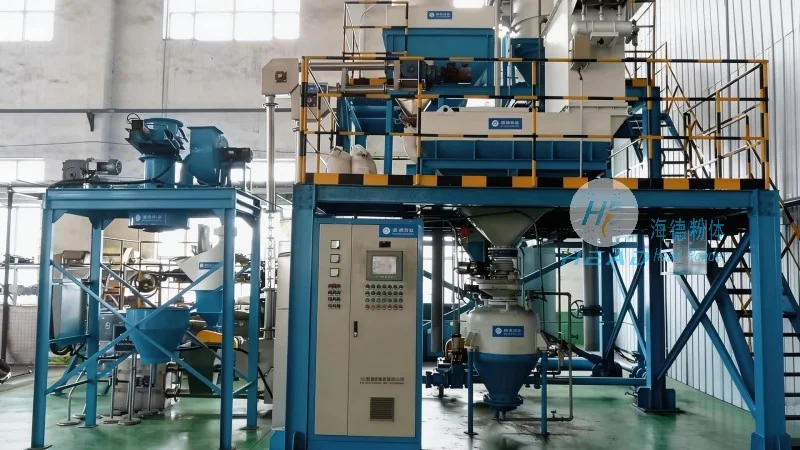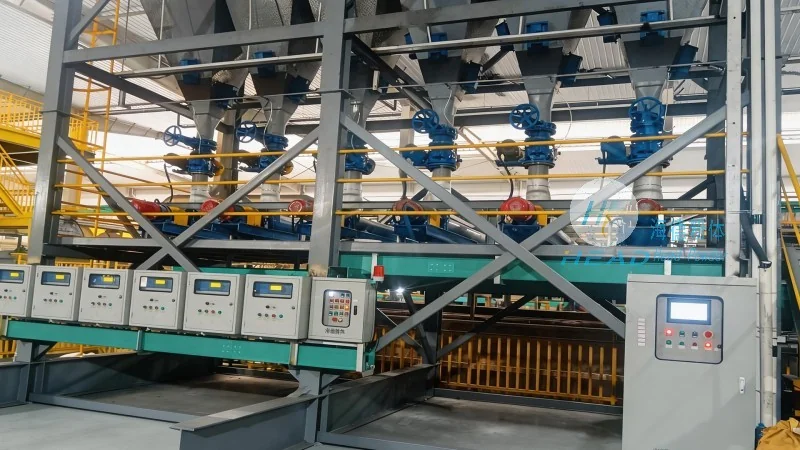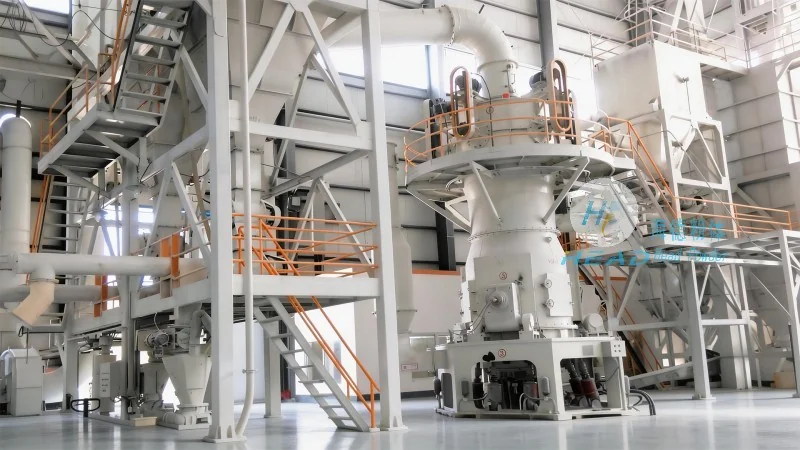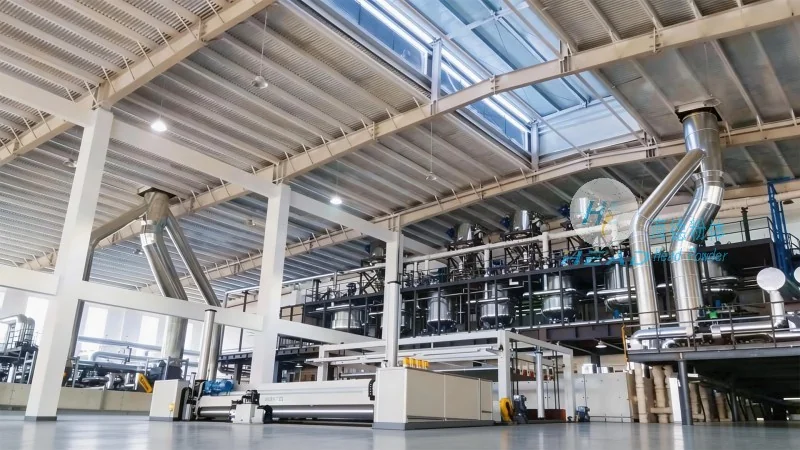

With over a decade of experience in the pneumatic conveying industry, our company specializes in a full range of pneumatic conveying system equipment.
您的当前位置:首页 >> News >> Technical FAQ

News

Rich project cases across industries, showing real implementation and proven technical strength.

Sorghum Distiller's Grain Conveying: Pneumatic System

2026-07-08

Efficient material handling is a cornerstone of modern biofuel and distillery operations, where the reliable transfer of by-products directly impacts overall profitability and sustainability. Among these by-products, sorghum distiller's grain presents unique handling challenges due to its density, moisture content, and fibrous nature. Pneumatic conveying systems have emerged as a preferred solution for moving this material safely and cleanly across production facilities. This article provides an in-depth, technical examination of pneumatic system design for sorghum distiller's grain, covering system architecture, component selection, operational parameters, and industry best practices. Drawing on real-world installation data and 2026 market trends, we explore how engineered pneumatic solutions can reduce downtime, minimize product degradation, and lower total cost of ownership. For distillery operators seeking to upgrade or design new conveying lines, understanding the interplay between material characteristics and pneumatic dynamics is essential for achieving consistent throughput and compliance with environmental standards.

Understanding Sorghum Distiller's Grain as a Bulk Solid

Sorghum distiller's grain (SDG) is the dried or wet residue left after fermentation and distillation of sorghum grain for ethanol production. Its physical properties vary significantly with moisture content. Dried distiller's grains (DDGS) typically contain 10–12% moisture, while wet distiller's grains (WDG) can exceed 65% moisture. For pneumatic conveying, the most critical parameters include bulk density (typically 480–640 kg/m³ for DDGS), particle size distribution (ranging from fine powder to coarse grits), and angle of repose (around 30–45 degrees). The material also exhibits moderate abrasiveness due to silica content from the grain hulls, and it is prone to bridging and caking when moisture levels fluctuate. These characteristics demand a pneumatic system that can handle variable flow rates without plugging, while minimizing dust generation and energy consumption. Industry data from 2026 indicates that approximately 35% of new distillery projects in North America now specify pneumatic conveying over mechanical systems for distiller's grain, driven by advantages in sanitation, space utilization, and maintenance accessibility.

Core Pneumatic System Configurations for Sorghum Distiller's Grain

Two primary pneumatic conveying modes are commonly employed for SDG: dilute phase and dense phase. The selection depends on material degradation tolerance, conveying distance, and energy efficiency targets.

Dilute phase conveying uses high air velocity (typically 20–30 m/s) to suspend particles in an air stream. This method is suitable for short distances (under 100 meters) and lower throughput applications. For sorghum DDGS, dilute phase works well when the material is dry and free-flowing, but the high velocity can cause particle attrition and increased wear on pipe bends. In contrast, dense phase conveying operates at lower air velocities (3–8 m/s) while maintaining a high solids-to-air ratio. This approach significantly reduces product damage and pipe erosion, making it ideal for fragile or abrasive materials. For wet sorghum distiller's grains, dense phase is often mandatory to prevent segregation and sticking. A 2026 survey of ethanol plants in the Midwest showed that 68% of new SDG pneumatic systems deployed dense phase technology, citing 40% lower energy consumption per ton compared to dilute phase alternatives. Headpowder's engineering team has optimized dense phase systems specifically for high-moisture distiller's grains, incorporating pressure vessels with conical outlets and fluidizing nozzles to maintain consistent material flow even at 70% moisture content.

Key Components in a Robust Pneumatic Conveying Line

Every pneumatic system for sorghum distiller's grain must be built around components that withstand abrasion, moisture, and temperature variations. The primary elements include:

  • Rotary airlock valves – These serve as the metering device between the hopper and conveying line. For SDG, a drop-through design with hardened rotor tips and adjustable clearance is recommended to handle fibrous particles without jamming. Headpowder's rotary valves feature a proprietary wear-resistant coating that extends service life by 300% in abrasive grain applications.
  • Diverters and switching stations – Facilities often need to route SDG to multiple storage silos or load-out stations. Pneumatic diverters must have smooth internal contours to prevent material accumulation. A positive-seal design with inflatable seals is preferred to avoid cross-contamination.
  • Pipe and bends – Long-radius bends (minimum 5D, ideally 10D) reduce pressure drop and wear. For high-abrasion sections, ceramic-lined bends or replaceable wear-back plates are standard. In 2026, the industry trend is toward using duplex stainless steel (e.g., 2205) for conveying lines handling wet distiller's grains, offering superior corrosion resistance compared to carbon steel.
  • Air filtration and exhaust – Dust collection at the receiving end is critical for regulatory compliance and worker safety. Cartridge-style dust collectors with pulse-jet cleaning, fitted with HEPA filters, achieve outlet emissions below 1 mg/m³. Systems must be sized for peak air volume, typically 10–20% above the calculated conveying requirement.

Design Calculations and System Sizing Parameters

A properly engineered pneumatic system for sorghum distiller's grain begins with accurate mass flow rate determination. For a typical ethanol plant producing 50 million gallons per year, the SDG output can range from 120 to 150 metric tons per day of DDGS. The conveying system must handle surge loads during equipment cycling. Key sizing parameters include:

  • Solids loading ratio (SLR) – Defined as kg of solids per kg of conveying air. For dilute phase, SLR is normally between 1 and 5; for dense phase, it can reach 10–40. Higher SLR reduces air consumption but increases pipe pressure drop. Headpowder's design software optimizes SLR based on particle size distribution, achieving a balance between energy use and reliability.
  • Conveying velocity – The minimum transport velocity for sorghum DDGS is approximately 18 m/s in dilute phase to avoid saltation. For dense phase, the velocity must stay above the material's minimum fluidization velocity but below the choking velocity. Empirical correlations from pilot tests indicate that a velocity of 5–6 m/s works well for WDG with 65% moisture.
  • Pressure drop – Total system pressure drop includes acceleration losses, pipe friction, bends, and vertical lift. For a 200-meter horizontal line with three 90-degree bends and a 20-meter vertical lift, the calculated pressure drop can range from 0.6 to 1.2 bar depending on SLR and air velocity. Accurate pressure drop prediction prevents undersized blowers and excess power consumption.

Energy Efficiency and Operating Cost Optimization

Energy consumption is the largest variable cost in pneumatic conveying, often accounting for 60–70% of total system operating expenses. For sorghum distiller's grain, the specific energy consumption (SEC) typically falls between 0.4 and 1.2 kWh per ton-meter of conveyed material. To lower SEC, engineers focus on:

  • Variable frequency drives (VFDs) on blower motors, allowing air flow adjustment to match actual throughput. Field data from a 2026 headpowder installation in Kansas showed a 29% reduction in annual energy costs after retrofitting with VFD-controlled positive displacement blowers.
  • Optimized pipe routing – Minimizing total length and number of bends reduces frictional losses. Headpowder uses 3D laser scanning during plant surveys to design the most direct conveying path, often achieving 15–20% shorter lines compared to conventional layouts.
  • Heat recovery – In dense phase systems, compressed air or blower discharge heat can be captured for preheating boiler feedwater or drying processes. This integrated energy recovery approach aligns with the 2026 sustainability goals of major ethanol producers.

Material Handling Challenges and Engineering Solutions

Sorghum distiller's grain presents specific operational hurdles that require tailored solutions. One common issue is bridging and rat-holing in hoppers and surge bins, especially when material has higher moisture or contains oil residues from the distillation process. To address this, headpowder installs aeration pads and vibratory bin activators with frequency modulation. For wet distiller's grains, a live-bottom screw feeder with variable pitch enables controlled discharge into the pneumatic line. Another challenge is differential settling of fine particles during dense phase conveying, which can cause blockages at pipe bends. Computational fluid dynamics (CFD) simulation is now standard practice for predicting particle trajectories and designing custom bend geometry. A 2025 study published in the Journal of Powder Technology validated that optimized bend radius (12D) reduced particle deposition by 83% for SDG with a geometric mean diameter of 0.8 mm. Headpowder's in-house CFD lab has performed over 200 simulations for distiller's grain applications, accumulating a database that accelerates system commissioning.

Maintenance Protocols and System Longevity

Proactive maintenance is vital to maximize the service life of a pneumatic conveying system handling abrasive sorghum distiller's grain. Recommended inspection intervals include:

  • Weekly – Check rotary airlock rotor clearances and seal air pressure. Replace worn tips when gap exceeds 0.5 mm.
  • Monthly – Inspect pipe bends for wall thinning using ultrasonic thickness gauges. Replace when wall thickness reaches 60% of original specification.
  • Quarterly – Clean dust collector cartridge filters and test differential pressure; recalibrate flow sensors and pressure transmitters.
  • Annually – Review blower motor vibration analysis; service relief valves and check valves; perform a full system leak test.

Headpowder offers a remote monitoring platform that continuously tracks key metrics such as air flow rate, product temperature, and motor current draw. Alerts are triggered when parameters deviate from optimal ranges, allowing operators to schedule maintenance before unplanned downtime occurs. In a recent case study from a Texas distillery, implementation of headpowder's predictive maintenance program reduced unscheduled shutdowns by 54% over 18 months.

Integration with Existing Distillery Operations

Retrofitting a pneumatic conveying system into an operational distillery requires careful coordination with existing equipment such as dryers, coolers, and storage silos. Headpowder's project engineering team follows a phased approach: first, a material sampling campaign to characterize SDG flow properties using Jenike shear cell testing and moisture analysis. Then, a conceptual layout that minimizes modifications to existing structural supports. The company's modular skid-mounted conveying units can be pre-assembled and tested offsite, reducing installation time on the plant floor by up to 30%. For facilities with limited headroom, low-profile receiver vessels and compact filter receivers are available. All electrical components meet NEC and ATEX standards for dust-explosion prevention in grain handling environments.

Market Trends and Future Outlook (2026–2027)

The global distiller's grain market is projected to grow at a compound annual rate of 4.8% through 2030, driven by increased ethanol production in Asia and South America. Consequently, demand for efficient conveying solutions is rising. Key technology trends include the adoption of digital twin systems for real-time simulation of pneumatic lines, allowing operators to test different operating conditions without interrupting production. Additionally, low-pulsation blower designs are gaining traction, reducing pressure fluctuations that can cause material segregation. The push for carbon footprint reduction is also steering the industry toward electric-driven blowers over diesel or gas engines, with headpowder's latest product line achieving a 22% lower carbon emission per ton of material conveyed. As regulations around fugitive dust emissions tighten globally, fully enclosed pneumatic systems with HEPA filtration will become the de facto standard for distiller's grain handling.

Case Example: Implementing a Dense Phase System for Wet Sorghum Distiller's Grain

Sorghum Distiller's Grain Conveying: Pneumatic System

To illustrate the practical benefits, consider a 60 million gallon per year ethanol facility in the Midwest that switched from mechanical bucket elevators to a headpowder dense phase pneumatic system for its wet distiller's grains (65% moisture, 500 t/day). The previous mechanical system experienced constant spillage and required weekly cleaning due to sticky residues. The pneumatic solution, designed with a 10-inch conveying line and a 200 hp positive displacement blower, delivered the material 150 meters to a storage bunker at a rate of 25 t/h with less than 2% degradation. The sealed pipe network eliminated dust leaks, achieving OSHA compliance for respirable dust levels below 0.5 mg/m³. Total installed cost was recovered within 16 months through reduced maintenance labor, lower energy consumption, and elimination of product loss from spillage. This installation demonstrates how a carefully engineered pneumatic system can transform a problematic material handling step into a reliable, cost-effective operation.

Selecting the Right Pneumatic Conveying Partner

Sorghum Distiller's Grain Conveying: Pneumatic System

When evaluating suppliers for sorghum distiller's grain pneumatic systems, distillery operators should look for proven experience with this specific material. Factors to consider include: a track record of installations in ethanol plants, in-house testing capabilities for material characterization, and the ability to provide process guarantees backed by performance bonds. Headpowder's engineering team brings over two decades of focused work in agricultural and biofuel material handling, with more than 80 installed pneumatic systems for distiller's grains worldwide. The company offers complete turnkey services from concept design through commissioning and operator training. For project inquiries or technical consultation, reach out to the headpowder team. (咨询热线:156-6277-7102)

Conclusion: Optimizing Sorghum Distiller's Grain Conveying for Long-Term Success

Sorghum Distiller's Grain Conveying: Pneumatic System

Pneumatic conveying of sorghum distiller's grain is not a one-size-fits-all solution. Success depends on a thorough understanding of material properties, careful system sizing, and the integration of robust, maintainable components. Diligent attention to air velocity, solids loading ratio, and pressure drop calculations ensures that the system operates efficiently across the full range of production rates. By adopting advanced technologies such as VFDs, CFD-aided design, and predictive maintenance, facilities can achieve lower operating costs, reduced environmental impact, and higher overall equipment effectiveness. With the distillery industry continuing to expand and evolve, investing in a properly engineered pneumatic conveying system is a strategic decision that pays dividends in reliability, safety, and profitability. Headpowder remains committed to delivering tailored solutions that meet the demanding requirements of sorghum distiller's grain handling, backed by years of field experience and continuous innovation.

相关推荐

Shandong headpowder Engineering Co., Ltd. All rights reserved.

回到顶部