

Choosing Between Positive Pressure and Negative Pressure for Lithium Nickel Cobalt Aluminum (NCA) Tr
When it comes to transporting Lithium Nickel Cobalt Aluminum (NCA) materials, a critical decision lies in choosing between positive pressure and negative pressure systems. NCA, a key cathode material in modern lithium-ion batteries, demands precise handling to maintain its quality and prevent contamination. The choice between positive and negative pressure transport methods directly impacts operational efficiency, safety, and material integrity. This article explores the fundamental differences between these two approaches, outlines key factors for selection, and provides insights into how to make an informed decision for your NCA transport needs.
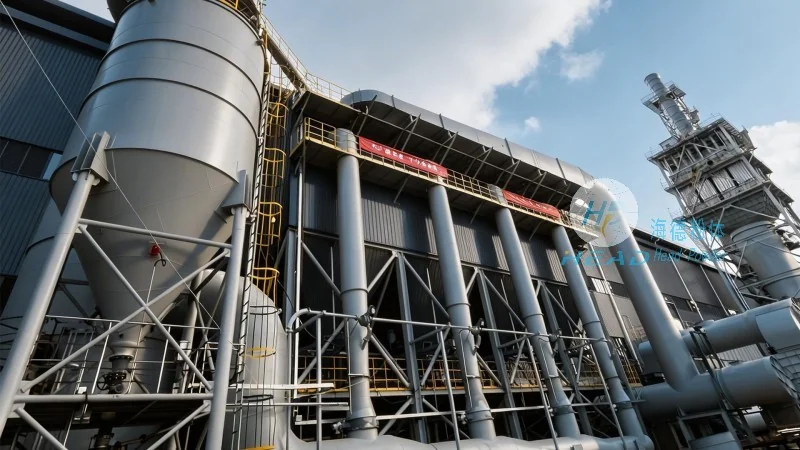
Understanding the Core Concepts: Positive vs. Negative Pressure
Positive pressure systems operate by pressurizing the transport environment, typically using filtered air or inert gases, to create an overpressure relative to the external environment. This method ensures that air and contaminants are pushed out of the system, preventing ingress of dust, moisture, or other pollutants. In contrast, negative pressure systems create a vacuum or reduced pressure within the transport container, drawing air and particles from the surrounding environment into the system, which is then filtered before release. Both approaches aim to maintain a controlled environment, but they achieve this through opposite pressure differentials.
Key Technical Differences and Implications
From a technical standpoint, positive pressure systems are often preferred for applications requiring strict contamination control, such as in cleanrooms or where particulate matter must be minimized. The overpressure design ensures that any leaks or openings will allow filtered air to escape rather than unfiltered air to enter. Negative pressure systems, on the other hand, are effective for preventing the release of hazardous or volatile materials into the environment, as they draw air into the system and filter it before exhaust. For NCA transport, where the material is sensitive to moisture and oxygen, positive pressure is generally more suitable due to its ability to maintain a dry, oxygen-free atmosphere.
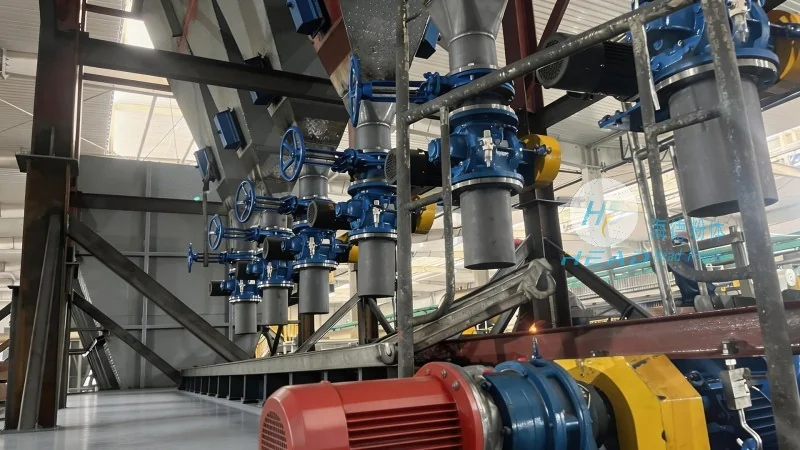
Operational Considerations and Practical Applications
The choice between positive and negative pressure also depends on the specific operational context. Positive pressure systems are commonly used in battery manufacturing facilities where NCA powders are handled in enclosed hoppers, conveyor systems, or storage silos. These systems help maintain a stable, clean environment, reducing the risk of oxidation or degradation of the NCA material. Negative pressure systems may be employed in scenarios where the transport involves handling materials that could release harmful fumes or where the goal is to prevent external air from entering the system, such as in certain types of bulk material transport vehicles.
Factors to Consider When Selecting a Pressure System for NCA Transport
Several critical factors influence the decision between positive and negative pressure systems. First, the sensitivity of the NCA material to environmental conditions—such as moisture, oxygen, or particulate contamination—must be evaluated. NCA is highly reactive to moisture and oxygen, making positive pressure systems more advantageous for preserving its chemical stability. Second, the scale and complexity of the transport operation matter. Large-scale industrial facilities may require robust positive pressure systems with multiple filtration stages to handle high volumes of material. Third, safety regulations and environmental compliance play a role. Positive pressure systems are often favored in environments where strict air quality standards are mandated, as they prevent the release of contaminants into the workplace or surrounding areas.
HeadPowder's Expertise in NCA Material Handling Solutions
Shandong HeadPowder Engineering Co., Ltd., a leading provider of specialized material handling equipment, offers tailored solutions for NCA transport. With years of experience in the battery materials industry, HeadPowder understands the unique challenges of handling NCA powders. The company’s expertise lies in designing and manufacturing systems that meet the stringent requirements of NCA material transport, including advanced filtration, pressure control, and material containment. By leveraging their deep industry knowledge, HeadPowder ensures that clients can choose the most appropriate pressure system—whether positive or negative—for their specific NCA transport needs, optimizing both performance and safety.
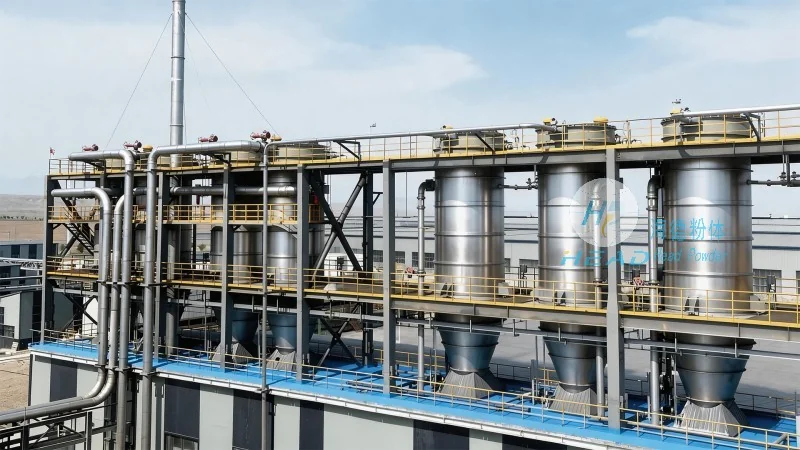
How to Distinguish and Choose the Right Pressure System for Your NCA Transport
When faced with the decision of choosing between positive and negative pressure for NCA transport, a systematic approach is essential. Start by assessing the material’s properties and sensitivity to environmental factors. If the primary concern is preventing moisture or oxygen ingress, a positive pressure system is the better choice. Conversely, if the focus is on containing hazardous emissions or preventing external air contamination, a negative pressure system may be more suitable. Additionally, consider the operational environment, including the presence of cleanrooms, ventilation systems, and regulatory requirements. Consulting with industry experts, such as those at Shandong HeadPowder Engineering Co., Ltd., can provide valuable insights into the technical and practical aspects of each system, helping you make a well-informed decision that aligns with your operational goals and material handling requirements.
Conclusion: Balancing Efficiency and Safety in NCA Transport
Choosing between positive and negative pressure for Lithium Nickel Cobalt Aluminum (NCA) transport is a critical step in ensuring the quality and safety of battery manufacturing processes. The right choice depends on a combination of material properties, operational needs, and environmental considerations. By understanding the fundamental differences between these systems and evaluating key factors, manufacturers can select the most appropriate pressure system to optimize their NCA transport operations. With the expertise of companies like Shandong HeadPowder Engineering Co., Ltd., businesses can access tailored solutions that address their specific challenges, ensuring efficient, safe, and reliable NCA material handling.