

Choosing Between Positive Pressure and Negative Pressure for Cement and Mineral Powder Conveying: Ho
When it comes to transporting cement, fly ash, and other mineral powders, selecting the right conveying system is crucial for efficiency, safety, and cost-effectiveness. Two primary methods dominate the industry: positive pressure and negative pressure systems. Understanding the differences between these approaches is essential for making an informed decision that aligns with your operational needs. This article will explore the key distinctions between positive pressure and negative pressure conveying systems, helping you determine which option is best suited for your cement and mineral powder handling requirements.
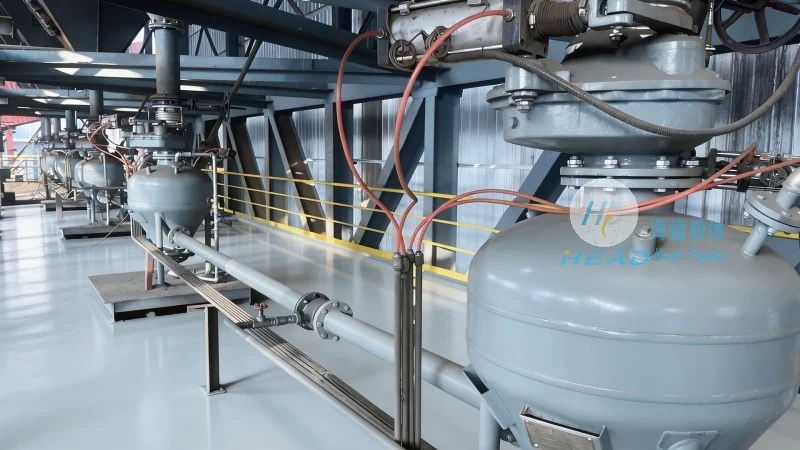
Understanding the Basics: Positive Pressure vs. Negative Pressure Conveying
At the core of powder handling, positive pressure and negative pressure systems operate on opposite principles. Positive pressure systems force material through a pipeline using a blower or fan that generates pressure above atmospheric levels. Conversely, negative pressure systems create a vacuum in the pipeline, drawing material from the source into the system. Each method has its own set of advantages and limitations, which are critical to consider when evaluating your conveying needs.
Key Characteristics of Positive Pressure Conveying Systems
Positive pressure systems, also known as pressure-fed systems, are widely used in industrial applications due to their robustness and ability to handle abrasive or sticky materials. The primary components of a positive pressure system include a high-pressure blower, a material feeder, and a pipeline network. The blower generates sufficient pressure to push material through the system, ensuring consistent flow rates and preventing blockages. This method is particularly effective for long-distance conveying and when dealing with materials that are prone to caking or agglomeration.
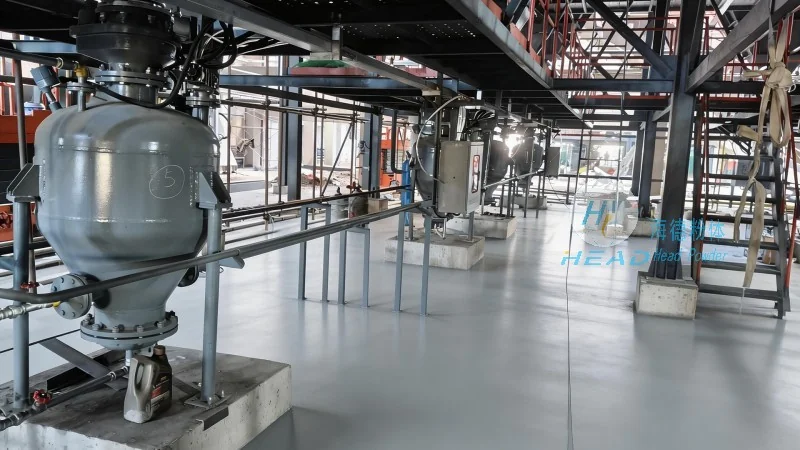
A key advantage of positive pressure systems is their ability to maintain a positive pressure environment, which helps prevent dust contamination and reduces the risk of material leakage. The sealed pipeline design also minimizes the exposure of personnel to airborne dust, enhancing workplace safety. However, positive pressure systems may require more maintenance due to the higher stress on components and the need for regular cleaning of the blower and feeder.
Key Characteristics of Negative Pressure Conveying Systems
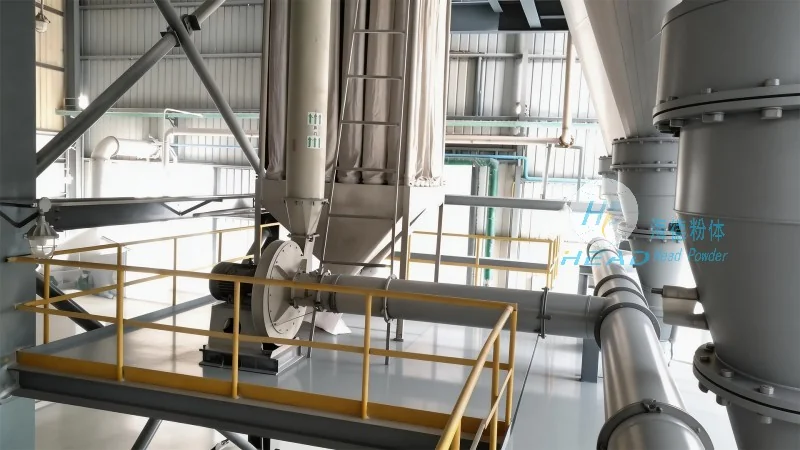
Negative pressure systems, or vacuum systems, operate by creating a vacuum in the pipeline, which draws material from the source into the system. These systems typically use a vacuum pump or fan to generate a pressure below atmospheric levels. Negative pressure conveying is often preferred for applications where the material source is located at a higher elevation or when the material is lightweight and prone to dispersion. The system is generally more compact and less expensive to install compared to positive pressure systems, making it suitable for shorter conveying distances and smaller-scale operations.

One of the main benefits of negative pressure systems is their lower energy consumption, as they do not require the high pressure generated by positive pressure systems. This can lead to cost savings over time, especially for facilities with high energy usage. Additionally, negative pressure systems are less likely to cause material degradation due to the lower velocity and pressure, which is beneficial for sensitive materials like cement or fine powders. However, negative pressure systems are more susceptible to dust leakage and require careful sealing to prevent contamination and environmental issues.
Distinguishing Factors: Which System is Right for Your Application?
Choosing between positive and negative pressure conveying systems depends on several factors, including the material properties, conveying distance, and operational environment. Here are some key considerations to help you make the right choice:
- Material Properties: If your material is abrasive, sticky, or prone to caking, a positive pressure system may be more suitable due to its ability to handle higher pressures and maintain consistent flow. For lightweight, fine powders that are less likely to agglomerate, a negative pressure system can be effective.
- Conveying Distance: Positive pressure systems are generally better for long-distance conveying, as they can maintain pressure over extended lengths. Negative pressure systems are more efficient for shorter distances, as the vacuum can diminish over longer pipelines.
- Environmental and Safety Requirements: Positive pressure systems offer better containment and reduced dust exposure, making them ideal for environments where dust control is critical. Negative pressure systems may require additional filtration and sealing to meet environmental regulations.
- Energy Consumption and Cost: Negative pressure systems typically consume less energy, resulting in lower operational costs. However, positive pressure systems may have higher upfront costs due to the need for more robust components, but they offer better long-term performance for demanding applications.
Conclusion: Making an Informed Decision with HeadPowder
Ultimately, the choice between positive pressure and negative pressure conveying systems for cement and mineral powders depends on a careful evaluation of your specific needs. By understanding the characteristics and limitations of each method, you can select the most efficient and cost-effective solution for your operation. Shandong HeadPowder Engineering Co., Ltd., a leading provider of powder handling solutions, offers a range of conveying systems tailored to meet diverse industrial requirements. With their expertise in positive and negative pressure technologies, HeadPowder can help you determine the best approach for your cement and mineral powder handling needs, ensuring optimal performance and reliability.