

[Epoxy Resin Transfer: Choosing Positive Pressure or Negative Pressure? How to Distinguish?]
When it comes to transferring epoxy resin, selecting the appropriate method is crucial for ensuring efficiency, safety, and product quality. Two primary approaches are commonly used: positive pressure transfer and negative pressure transfer. Understanding the differences between these methods and how to distinguish them is essential for making an informed decision. This article will explore the characteristics of each method, the factors influencing the choice, and practical guidance on how to determine the right approach for epoxy resin transfer applications.
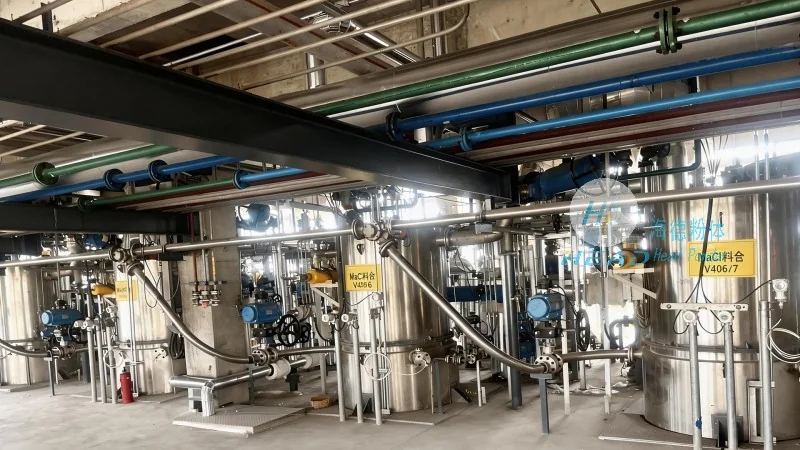
Introduction to Epoxy Resin Transfer Methods
Epoxy resin is widely used in various industries, including construction, manufacturing, and automotive, due to its excellent adhesion, durability, and chemical resistance. The process of transferring epoxy resin from a container to a mixing or application point requires careful consideration of the material properties and the operational environment. The two main transfer methods—positive pressure and negative pressure—differ in their operational principles, equipment requirements, and suitability for different resin types and application scenarios.
Positive Pressure Transfer: How It Works
Positive pressure transfer involves using a pump or compressor to apply pressure to the epoxy resin container, forcing the material through a hose or pipe to the desired location. This method is often preferred for thick or viscous epoxy resins, as the applied pressure helps to overcome the resistance of the material and maintain a consistent flow rate. The equipment typically includes a pressure tank, a pump system, and a delivery hose, which are designed to handle the high viscosity of epoxy resins.
Key advantages of positive pressure transfer include its ability to handle high-viscosity materials without clogging, the consistent flow rate provided by the pump, and the reduced risk of air entrapment in the resin. This method is particularly suitable for large-scale applications where a continuous and reliable supply of epoxy resin is required. For instance, in industrial settings where epoxy resins are used for coating large surfaces or for manufacturing composite parts, positive pressure transfer ensures that the material is delivered efficiently and without interruption.
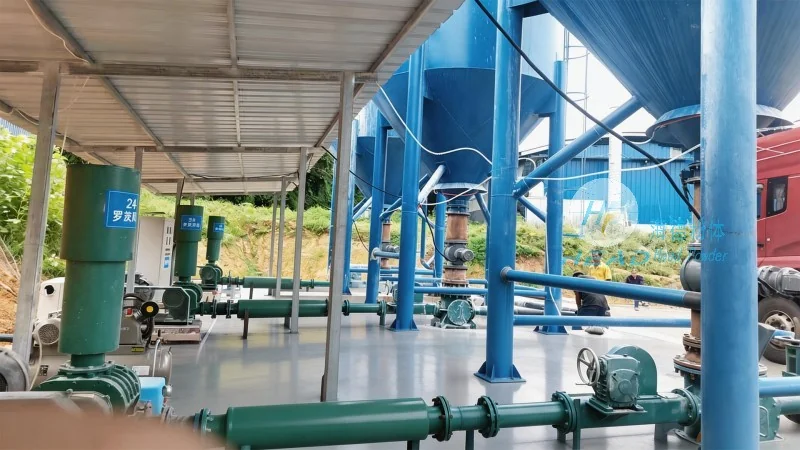
Negative Pressure Transfer: The Alternative Approach
Negative pressure transfer, also known as vacuum-assisted transfer, operates by creating a vacuum in the container or the delivery system, which draws the epoxy resin into the hose or pipe. This method relies on the principle of suction to move the material from the source to the application point. Unlike positive pressure transfer, negative pressure transfer does not require a pump to apply external pressure; instead, it uses a vacuum pump to create the necessary suction force.
One of the main benefits of negative pressure transfer is its simplicity and lower equipment cost compared to positive pressure systems. The absence of a high-pressure pump reduces the risk of equipment failure and maintenance requirements. This method is often preferred for low-viscosity epoxy resins or for applications where the resin needs to be mixed on-site and transferred in small quantities. For example, in laboratory settings or for small-scale repair projects, negative pressure transfer provides a convenient and cost-effective solution for handling epoxy resins.
Distinguishing Between Positive and Negative Pressure Transfer
Identifying the appropriate transfer method for epoxy resin involves evaluating several key factors, including the viscosity of the resin, the volume of material to be transferred, the distance between the source and the application point, and the operational environment. The following points can help in distinguishing between the two methods:
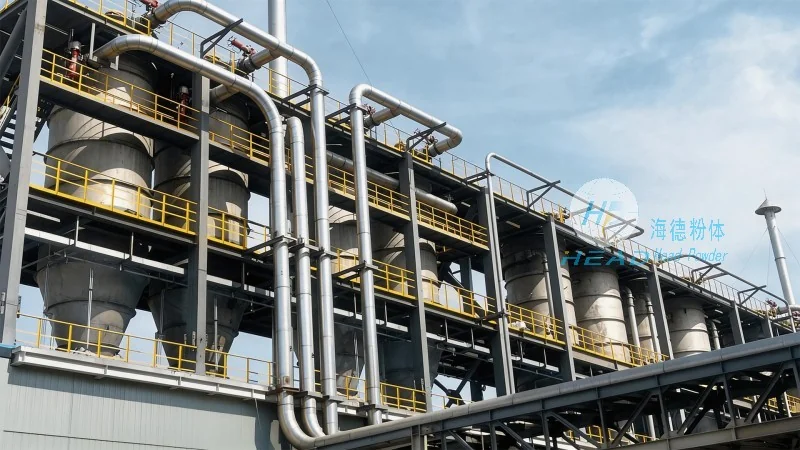
Viscosity Considerations: Positive pressure transfer is generally more suitable for high-viscosity epoxy resins, as the applied pressure helps to maintain flow. Negative pressure transfer is better suited for low-viscosity resins, where the suction force is sufficient to move the material without clogging.
Volume and Distance: For large volumes and long distances, positive pressure transfer is preferred due to its ability to maintain consistent pressure and flow. Negative pressure transfer is more appropriate for smaller volumes and shorter distances, as the suction force may not be sufficient to handle larger quantities over extended distances.
Equipment Complexity and Cost: Positive pressure systems are typically more complex and expensive, requiring robust pumps and pressure tanks. Negative pressure systems are simpler and more cost-effective, making them ideal for applications with lower budget constraints.
Risk of Air Entrapment: Positive pressure transfer reduces the risk of air bubbles entering the resin, which can affect the final product's quality. Negative pressure transfer may introduce air into the system, potentially leading to bubbles in the epoxy resin, which can compromise the strength and appearance of the final product.
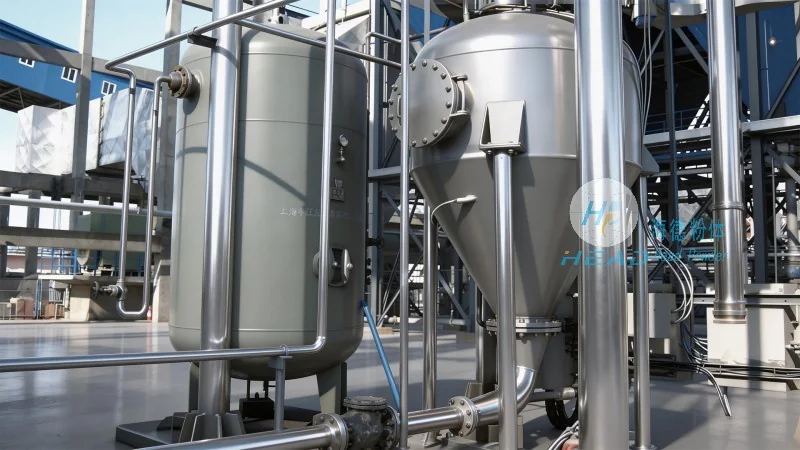
Choosing the Right Transfer Method for Your Epoxy Resin Application
After evaluating the factors mentioned above, the choice between positive and negative pressure transfer can be made based on the specific requirements of the epoxy resin application. For instance, in industrial manufacturing where high-viscosity epoxy resins are used for large-scale coating or composite production, positive pressure transfer is the preferred method due to its efficiency and reliability. Conversely, in small-scale repair work or laboratory applications where low-viscosity resins are used, negative pressure transfer offers a practical and cost-effective solution.
It is also important to consider the operational environment and safety aspects when choosing a transfer method. Positive pressure systems may require additional safety measures to prevent pressure build-up and potential leaks, while negative pressure systems need to be protected from external contaminants that could be drawn into the system.
Conclusion
Choosing between positive pressure and negative pressure transfer for epoxy resin applications requires a thorough understanding of the material properties, operational requirements, and equipment capabilities. By evaluating factors such as viscosity, volume, distance, and cost, as well as considering safety and environmental factors, users can select the most appropriate transfer method to ensure efficient and reliable epoxy resin handling. Whether opting for positive pressure transfer for its robustness or negative pressure transfer for its simplicity, the key is to match the transfer method to the specific needs of the application to achieve optimal results.