

Several Solutions for Corn Kernel Pneumatic Conveying
For industries involved in corn processing, efficient material handling is crucial to maintaining production efficiency and product quality. Pneumatic conveying systems offer a reliable method for transporting corn kernels from one location to another, and there are several effective approaches tailored to different operational needs. This article explores various solutions for corn kernel pneumatic conveying, highlighting the expertise of Shandong HeadPowder Engineering Co., Ltd., a leading provider in the field.
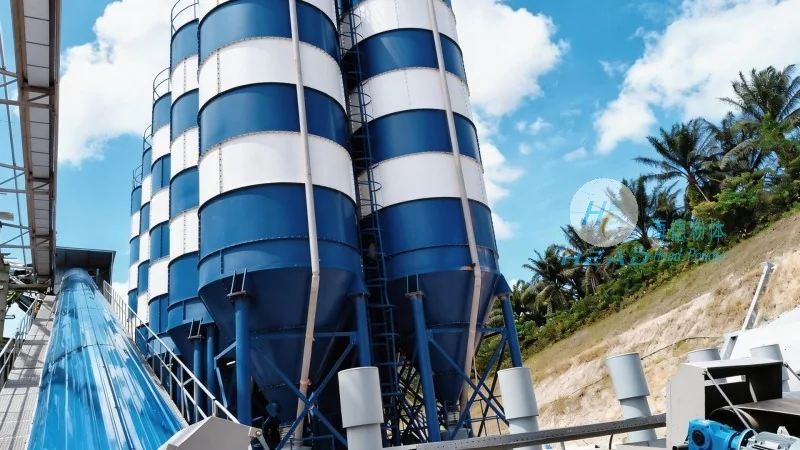
Understanding Pneumatic Conveying for Corn Kernels
Pneumatic conveying utilizes air to transport bulk materials like corn kernels through a pipeline system. This method is preferred over traditional mechanical conveyors in many applications due to its ability to handle fragile or abrasive materials without causing damage. The choice of system depends on factors such as the distance of material transport, the volume of corn kernels being moved, and the specific requirements of the processing facility.
Option 1: Positive Pressure Pneumatic Conveying System
Positive pressure systems operate by blowing air into the conveying line, creating a pressure differential that propels the corn kernels forward. This approach is ideal for short to medium-distance transport and is commonly used in corn milling and processing plants where the material needs to be moved from a storage silo to a processing unit. The positive pressure method ensures consistent flow and can handle a wide range of corn kernel sizes, making it a versatile solution for various processing stages.
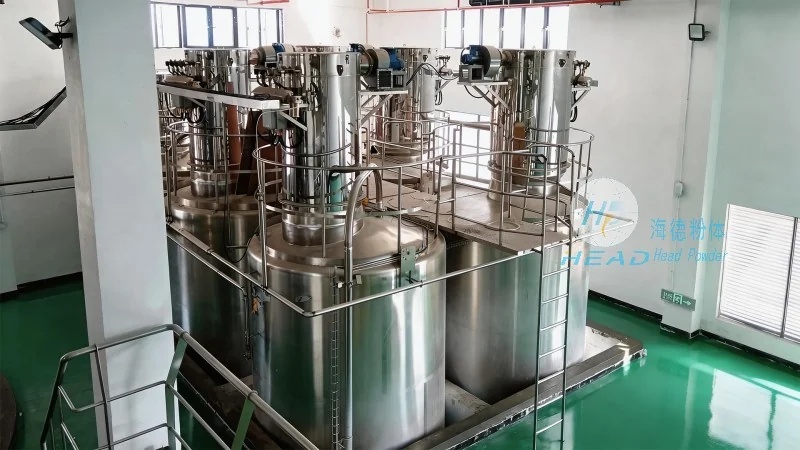
Option 2: Negative Pressure (Vacuum) Pneumatic Conveying System
Negative pressure systems, also known as vacuum conveyors, draw corn kernels into the pipeline using a vacuum created by a fan or blower. This method is particularly suitable for long-distance or vertical transport, as it can efficiently lift corn kernels from lower to higher levels without the need for complex infrastructure. The vacuum system is often preferred in applications where the corn kernels need to be transported from a ground-level storage area to an elevated processing line, offering a cost-effective solution for vertical material handling.
Option 3: Hybrid Pneumatic Conveying System
Hybrid systems combine elements of both positive and negative pressure methods, offering flexibility and enhanced performance for complex corn kernel transport scenarios. These systems are designed to handle a mix of short and long-distance transport requirements, as well as varying material flow rates. By integrating positive and negative pressure components, hybrid systems can optimize energy consumption while maintaining high material throughput. This approach is particularly beneficial for large-scale corn processing facilities that require multiple transport routes and varying operational demands.
Key Considerations for Selecting the Right System
When choosing a pneumatic conveying solution for corn kernels, several factors must be taken into account. The distance and elevation changes between the source and destination points are critical in determining whether a positive or negative pressure system is more suitable. Additionally, the volume of corn kernels to be transported per hour and the desired system efficiency play a significant role in system selection. Shandong HeadPowder Engineering Co., Ltd. specializes in designing customized pneumatic conveying systems that meet these specific requirements, ensuring optimal performance and minimal downtime.
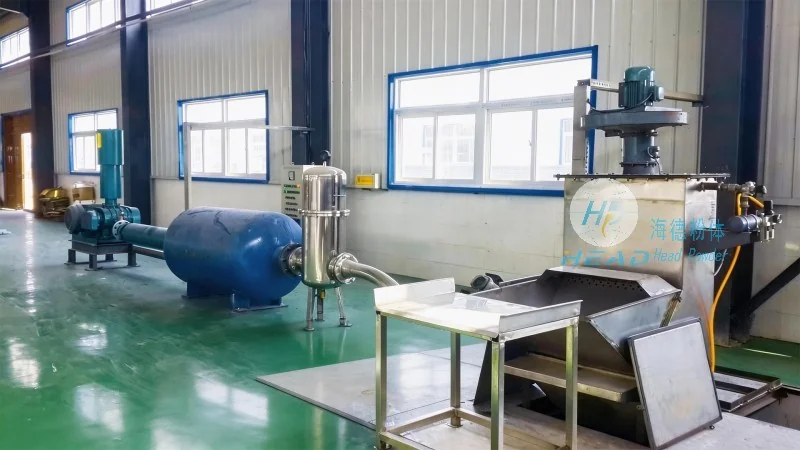
Benefits of Professional Design and Installation
Implementing a pneumatic conveying system for corn kernels requires expertise in both engineering and material handling. Shandong HeadPowder Engineering Co., Ltd. brings decades of experience to the table, providing comprehensive solutions that include system design, equipment selection, and installation services. Their team of engineers works closely with clients to understand their operational needs and recommend the most effective conveying solution. By leveraging advanced technology and proven methodologies, HeadPowder ensures that each system is tailored to the unique characteristics of the corn kernel and the processing environment.
Conclusion
Whether a processing facility requires short-distance transport, long-distance vertical movement, or a combination of both, there are specialized pneumatic conveying solutions available. Positive pressure, negative pressure, and hybrid systems each offer distinct advantages and are suitable for different operational contexts. With the expertise of Shandong HeadPowder Engineering Co., Ltd., industries can select and implement the most appropriate system to enhance their corn kernel handling efficiency and overall production performance. By investing in a well-designed pneumatic conveying system, corn processing companies can achieve higher throughput, reduced operational costs, and improved product quality.