

Classification and Composition of Calcium Fluoride Pneumatic Conveying Systems
For industrial applications involving the handling of calcium fluoride, efficient and reliable material transport is crucial. This article provides an overview of the classification and components of calcium fluoride pneumatic conveying systems, highlighting the key elements that contribute to their performance and functionality.
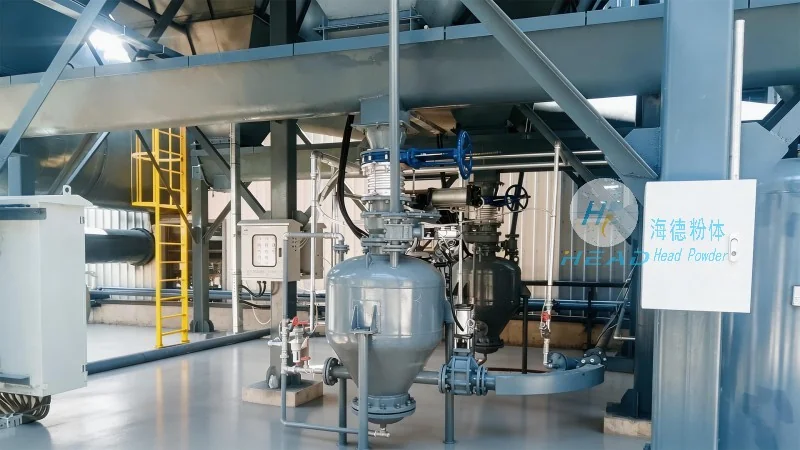
Introduction to Calcium Fluoride Pneumatic Conveying Systems
Calcium fluoride (CaF₂), commonly known as fluorspar, is a widely used industrial material in processes such as chemical manufacturing, metallurgy, and mineral processing. The effective transport of this material from one location to another within a facility often relies on pneumatic conveying systems, which utilize air or other gases to move bulk materials. These systems are designed to handle calcium fluoride with precision, ensuring minimal product degradation and operational efficiency.
Company Overview: Shandong HeadPowder Engineering Co., Ltd.
HeadPowder, a leading provider in the field of powder handling and material transport solutions, specializes in the design, manufacturing, and installation of advanced pneumatic conveying systems. With a strong focus on innovation and customer satisfaction, the company has established itself as a trusted partner for industries requiring high-performance calcium fluoride handling solutions. HeadPowder’s expertise spans the entire spectrum of pneumatic conveying technologies, from basic systems to complex, customized solutions tailored to specific operational needs.
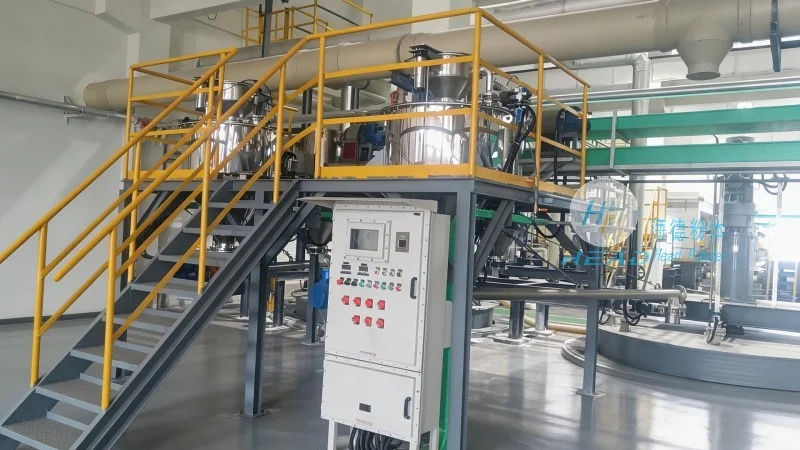
Classification of Calcium Fluoride Pneumatic Conveying Systems
Calcium fluoride pneumatic conveying systems can be classified based on several key factors, including the conveying principle, material flow characteristics, and system design. The primary classifications include:
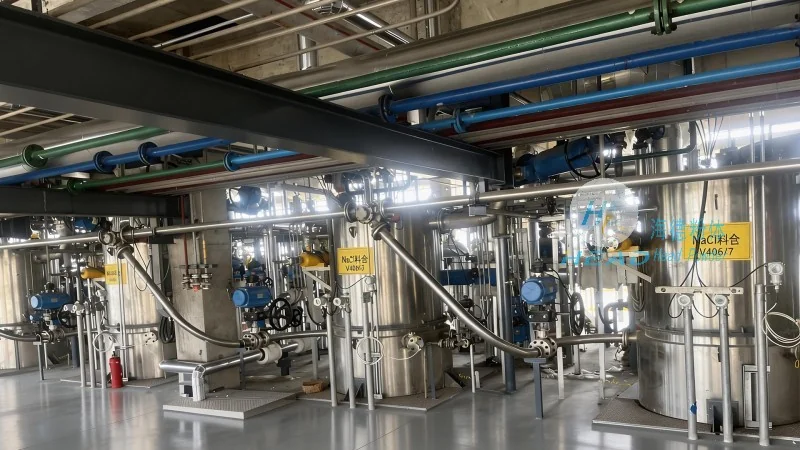
- Positive Pressure Systems: These systems generate air or gas pressure within the conveying line, pushing the material forward. They are suitable for short to medium distances and can handle a wide range of calcium fluoride particle sizes. Positive pressure systems are often preferred for applications requiring high material throughput and minimal product degradation.
- Negative Pressure (Vacuum) Systems: In contrast, negative pressure systems create a vacuum in the conveying line, drawing the material into the system. This approach is ideal for applications where the material needs to be transported from a higher elevation to a lower one or where the system must operate in a closed environment. Negative pressure systems are commonly used in industries where dust control and containment are critical.
- Combined Systems: Some applications may require a combination of positive and negative pressure elements. For instance, a system might use positive pressure to transport material from a storage silo to an intermediate hopper and then switch to negative pressure for the final delivery to a processing unit. This hybrid approach allows for greater flexibility and efficiency in complex material handling scenarios.
Key Components of Calcium Fluoride Pneumatic Conveying Systems
Regardless of the classification, calcium fluoride pneumatic conveying systems consist of several essential components that work in tandem to ensure smooth operation. These components include:
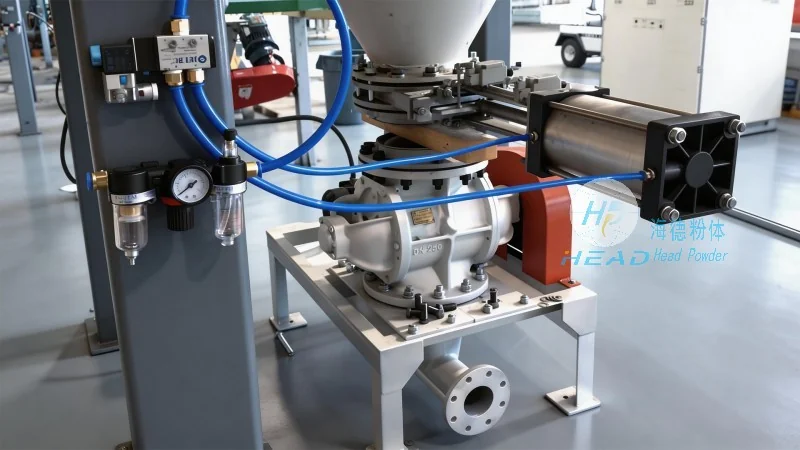
- Feeder: The feeder is responsible for introducing calcium fluoride into the conveying line at a controlled rate. For calcium fluoride, which can be abrasive and prone to bridging, specialized feeders such as rotary valves or screw feeders are often used to ensure consistent material flow and prevent blockages.
- Conveying Line: The conveying line, typically made of stainless steel or other corrosion-resistant materials, transports the calcium fluoride and air mixture. The design of the line, including the diameter and length, is critical to maintaining the desired air velocity and preventing material deposition or clogging.
- Filter and Dust Collector: As calcium fluoride is a fine powder, it is essential to capture and collect any airborne particles to prevent environmental contamination and maintain air quality. The filter and dust collector system, often equipped with high-efficiency particulate air (HEPA) filters, ensures that the exhaust air is clean and compliant with regulatory standards.
- Receiver: The receiver is the final component of the system, where the calcium fluoride is deposited after being conveyed. It is designed to handle the material efficiently and minimize spillage or re-entrainment of dust.
- Control System: Modern calcium fluoride pneumatic conveying systems are equipped with advanced control systems that monitor and regulate various parameters, such as air pressure, flow rate, and material level. These systems enhance operational safety and efficiency by providing real-time feedback and automated adjustments.
Product Introduction: Calcium Fluoride Pneumatic Conveying Solutions by HeadPowder
HeadPowder offers a comprehensive range of calcium fluoride pneumatic conveying systems, tailored to meet the specific requirements of industrial applications. Our solutions are designed to optimize material handling efficiency while ensuring compliance with industry standards and environmental regulations. The systems are built using high-quality materials and advanced engineering techniques, ensuring durability and long-term performance. Key features of our calcium fluoride pneumatic conveying systems include:
- Customizable Designs: Each system is customized to match the unique operational conditions of the client, including material characteristics, conveying distance, and environmental constraints.
- Robust Construction: Components are constructed from corrosion-resistant materials, such as stainless steel, to withstand the abrasive nature of calcium fluoride and ensure long service life.
- Advanced Control Technology: Integrated control systems provide real-time monitoring and automated operation, enhancing safety and reducing downtime.
- Comprehensive Support: HeadPowder provides comprehensive support, including installation, maintenance, and technical assistance, to ensure the system operates at peak performance.
Conclusion
Calcium fluoride pneumatic conveying systems are essential for efficient material transport in industrial applications. By understanding the classification and key components of these systems, industries can select the most appropriate solution for their needs. HeadPowder, with its expertise and commitment to quality, offers reliable and effective calcium fluoride pneumatic conveying systems that meet the highest standards of performance and safety.