

Classification and Composition of the Air-Driven Transport System for Manganese Sulfate
Understanding the air-driven transport systems for manganese sulfate is crucial for efficient material handling in industrial applications. These systems are designed to move the powder efficiently from one location to another, ensuring minimal loss and optimal performance. The classification and composition of such systems are key factors in selecting the right equipment for specific industrial needs.
Classification of Air-Driven Transport Systems for Manganese Sulfate
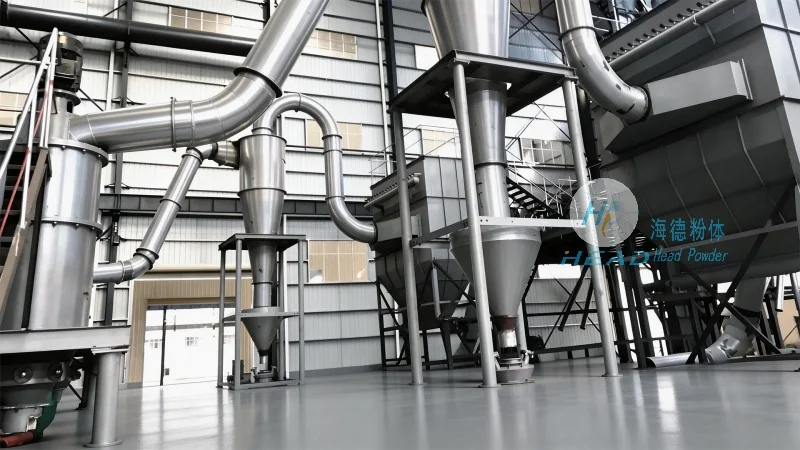
The air-driven transport systems for manganese sulfate can be broadly classified into two main categories: positive pressure systems and negative pressure systems. Each type has distinct characteristics and is suitable for different operational requirements.
Positive Pressure Air-Driven Transport Systems
Positive pressure systems, also known as pressure conveying systems, operate by forcing air or a gas mixture through the material to be transported. This method is ideal for transporting manganese sulfate over long distances or through complex piping networks. The system typically includes a high-pressure blower or fan that generates the necessary pressure to move the material. The key components of a positive pressure system include the material feed hopper, the conveying pipeline, the pressure blower, and the separation and collection equipment. The material is introduced into the system at the feed hopper, where it is mixed with the air stream and propelled through the pipeline to the destination. At the receiving end, the material is separated from the air using a cyclone or other separation device, and the air is then filtered and discharged.
Negative Pressure Air-Driven Transport Systems
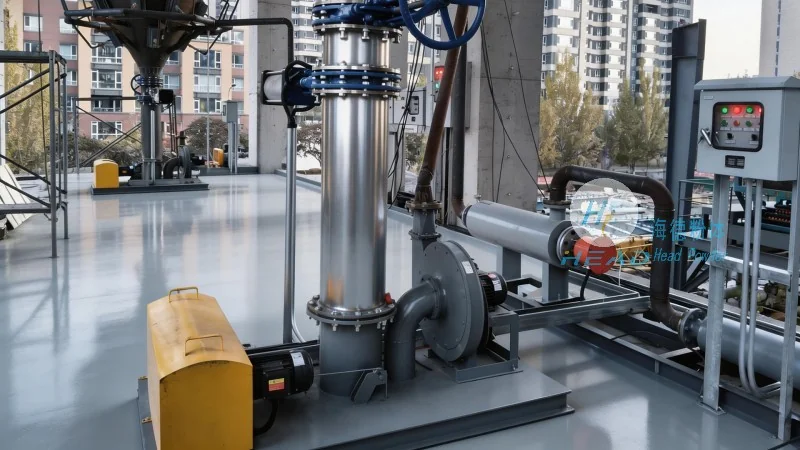
Negative pressure systems, or vacuum conveying systems, operate by creating a vacuum in the pipeline to draw the material from the source to the destination. This method is often used for short to medium distance transport and is particularly effective when the material needs to be collected from multiple points. The system consists of a vacuum pump, the conveying pipeline, the material feed point, and the separation equipment. The vacuum pump creates a low-pressure environment, which pulls the manganese sulfate particles into the pipeline. The material is then transported to the collection point, where it is separated from the air and stored. This system is generally more suitable for handling fine powders and can operate at lower air speeds compared to positive pressure systems.
Key Components of the Air-Driven Transport System
Regardless of the classification, the air-driven transport system for manganese sulfate consists of several essential components that work together to ensure efficient operation. The primary components include:
Conveying Pipeline
The conveying pipeline is the main channel through which the manganese sulfate is transported. It is typically made of materials such as stainless steel, plastic, or metal, depending on the corrosive properties of the material and the operating conditions. The pipeline is designed to withstand the pressure or vacuum levels and to minimize material buildup or blockages. The diameter and length of the pipeline are critical factors that affect the system's performance and efficiency.
Blower or Vacuum Pump
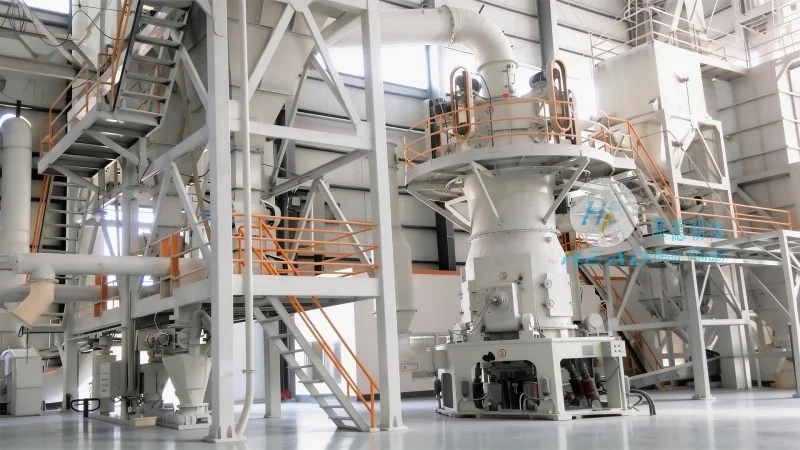
The blower or vacuum pump is the power source of the system, responsible for generating the necessary pressure or vacuum to move the material. In positive pressure systems, a high-pressure blower is used to force air through the material, while in negative pressure systems, a vacuum pump creates the suction force. The choice of the blower or pump depends on the material's properties, the system's capacity, and the required conveying distance. The efficiency and reliability of the pump are crucial for maintaining consistent material flow and preventing system downtime.
Material Feed and Discharge Equipment
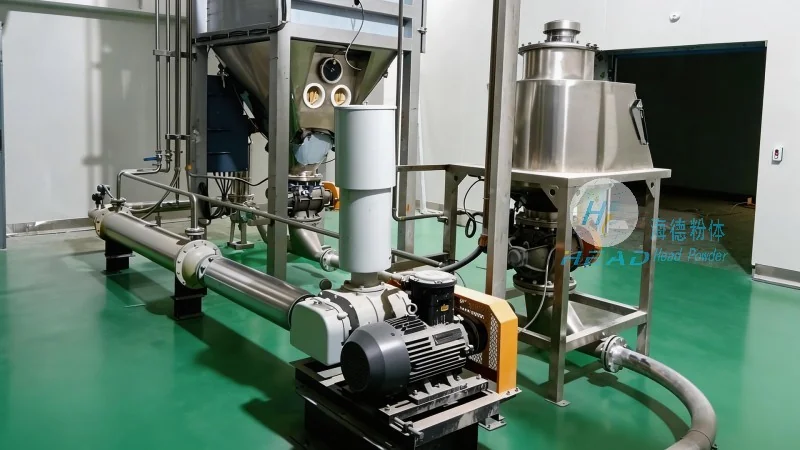
The material feed and discharge equipment are essential for controlling the flow of manganese sulfate into and out of the system. The feed hopper or feeder is used to introduce the material into the pipeline, ensuring a consistent and controlled feed rate. The discharge equipment, such as a cyclone separator or a bag filter, is used to separate the material from the air stream at the receiving end. These components are designed to handle the specific characteristics of manganese sulfate, such as its fineness and moisture content, to prevent clogging and ensure effective separation.
Separation and Collection Equipment
The separation and collection equipment is responsible for separating the manganese sulfate from the air and collecting it in a suitable container. The most common separation devices include cyclone separators, which use centrifugal force to separate the particles from the air, and bag filters or cartridge filters, which trap the fine particles. The choice of the separation equipment depends on the particle size distribution of the manganese sulfate and the required purity of the final product. Proper maintenance of these components is essential to ensure efficient operation and to prevent dust emissions.
Applications and Benefits of the Air-Driven Transport System
The air-driven transport system for manganese sulfate offers several advantages over traditional bulk material handling methods. These include reduced labor costs, improved safety by minimizing manual handling, and increased efficiency in material transfer. The system is particularly suitable for handling fine powders like manganese sulfate, which are prone to dust and require careful handling. The positive pressure and negative pressure systems can be customized to meet specific operational requirements, making them versatile for various industrial applications.
Shandong HeadPowder Engineering Co., Ltd., a leading provider of engineering solutions for material handling, specializes in designing and manufacturing air-driven transport systems tailored to the needs of manganese sulfate applications. With years of experience in the industry, the company ensures that its systems are efficient, reliable, and compliant with industry standards. The company's commitment to quality and customer satisfaction has made it a trusted partner for businesses in the chemical and mining sectors.