

Classification and Composition of Pepper Powder Pneumatic Conveying Systems
Pepper powder, a staple ingredient in various cuisines worldwide, requires efficient and reliable handling systems to ensure quality and safety during processing. Pneumatic conveying systems have emerged as a preferred solution for transporting pepper powder due to their ability to handle fine powders with minimal dust generation and contamination. This article provides an overview of the classification and key components of pepper powder pneumatic conveying systems, highlighting the technological advancements and practical applications in the industry, with a focus on solutions offered by Shandong HeadPowder Engineering Co., Ltd., a leading provider of specialized engineering solutions for the food processing sector.
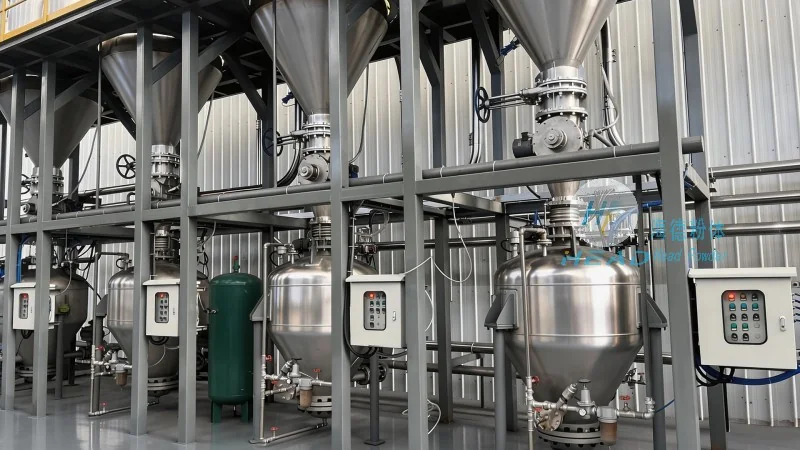
Classification of Pepper Powder Pneumatic Conveying Systems
Pepper powder pneumatic conveying systems are broadly classified based on the conveying principle and the type of air flow used. The primary classifications include pressure systems, vacuum systems, and mixed systems. Each type offers distinct advantages and is suitable for different operational requirements.
Pressure systems utilize compressed air to push the material through the conveying line. These systems are ideal for applications requiring high conveying rates and long distances. The main components of a pressure system include a positive displacement blower, a hopper for material storage, and a conveying line with appropriate valves and filters. The compressed air is introduced at the discharge end, creating a pressure differential that propels the pepper powder forward.
Vacuum systems, on the other hand, use a vacuum pump to create a negative pressure that draws the material from the source. This method is suitable for short to medium conveying distances and is commonly used in applications where the material needs to be transported from a lower elevation or a confined space. The vacuum system typically consists of a vacuum pump, a collection hopper, and a suction line with appropriate filters and regulators.
Mixed systems combine elements of both pressure and vacuum systems, offering flexibility in conveying different types of materials and distances. These systems are often used in complex processing lines where multiple material handling tasks are required. The mixed system can switch between pressure and vacuum modes depending on the operational needs, providing an efficient solution for varied applications.
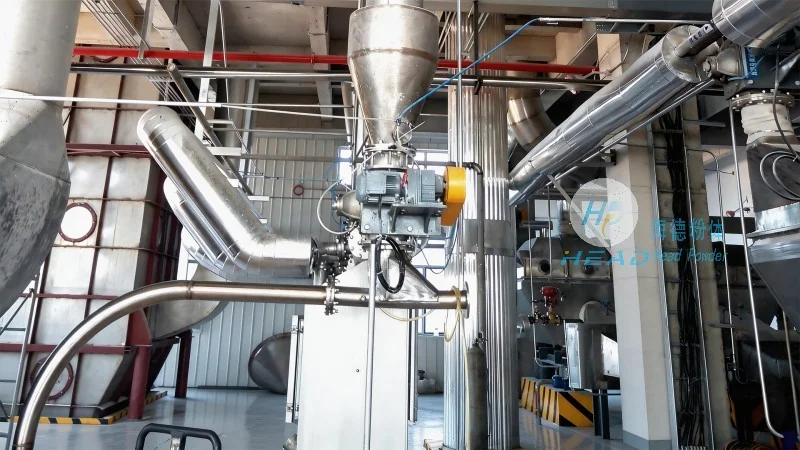
Key Components of Pepper Powder Pneumatic Conveying Systems
The effectiveness of a pepper powder pneumatic conveying system depends on the integration of several critical components, each playing a vital role in the overall operation. The main components include:
1. Material Hopper and Feeder: The hopper serves as the storage container for the pepper powder, ensuring a consistent supply of material to the conveying system. The feeder, typically a rotary valve or a screw feeder, regulates the flow of material into the conveying line, preventing blockages and maintaining a steady feed rate. For pepper powder, which is a fine and cohesive material, a rotary valve with adjustable speed is often preferred to control the flow accurately and avoid material bridging.
2. Conveying Air Source: The air source is a crucial component that provides the necessary pressure or vacuum for material transport. In pressure systems, a positive displacement blower or a rotary lobe blower is used to generate compressed air. These devices are chosen based on the required pressure and flow rate. For vacuum systems, a vacuum pump, such as a rotary vane or a liquid ring pump, is employed to create the negative pressure. The air source must be equipped with a filter to remove contaminants and ensure clean air, as any impurities can affect the quality of the pepper powder and damage the system components.
3. Conveying Line and Fittings: The conveying line is the pathway through which the pepper powder and air travel. It is typically made of stainless steel or plastic, chosen for its corrosion resistance and ability to handle fine powders. The line is equipped with various fittings, including elbows, tees, and straight sections, to direct the flow and maintain the pressure or vacuum. For pepper powder, which is prone to caking and blockages, the line is often designed with smooth surfaces and appropriate angles to prevent material accumulation. Additionally, the line may include filters and cyclones to separate the material from the air at the discharge end, ensuring that the pepper powder is collected efficiently and the air is cleaned before release.
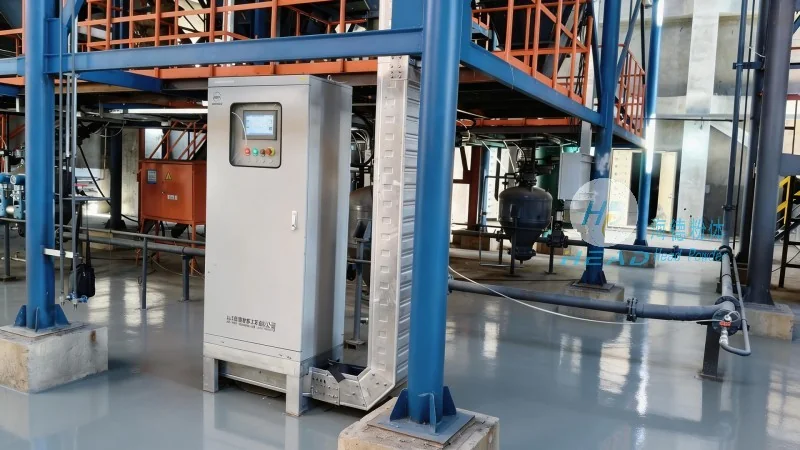
4. Material Separation and Collection: At the end of the conveying line, the pepper powder needs to be separated from the air and collected. This is achieved using a cyclone separator or a bag filter. The cyclone separator uses centrifugal force to separate the particles from the air, while the bag filter uses fabric bags to trap the particles. The collected pepper powder is then transferred to a storage bin or a processing unit. The separation system must be efficient to prevent material loss and ensure that the air is clean before it is released into the environment, complying with environmental regulations.
5. Control and Monitoring Systems: Modern pepper powder pneumatic conveying systems are equipped with control and monitoring systems to ensure optimal operation. These systems include sensors for pressure, flow, and level, as well as control panels with adjustable settings. The control system allows operators to monitor the system performance in real-time and make adjustments as needed. For example, the flow rate can be adjusted based on the material feed rate, and the pressure can be monitored to prevent overloading or underloading of the system. The monitoring system also helps in detecting any faults or abnormalities, such as blockages or leaks, and alerts the operators to take corrective actions. This ensures the system operates efficiently and safely, minimizing downtime and maintenance costs.
Applications and Advantages of Pepper Powder Pneumatic Conveying Systems
Pepper powder pneumatic conveying systems are widely used in various industries, including food processing, pharmaceuticals, and chemical manufacturing. In the food industry, these systems are particularly important for handling pepper powder, as they maintain the quality and safety of the product. The advantages of using pneumatic conveying systems for pepper powder include:
1. Minimal Dust Generation: Unlike mechanical conveying systems, pneumatic systems do not involve direct contact between the material and the conveying components. This reduces the generation of dust, which is a significant concern in food processing. The enclosed system also prevents cross-contamination and ensures that the pepper powder remains clean and free from external contaminants.
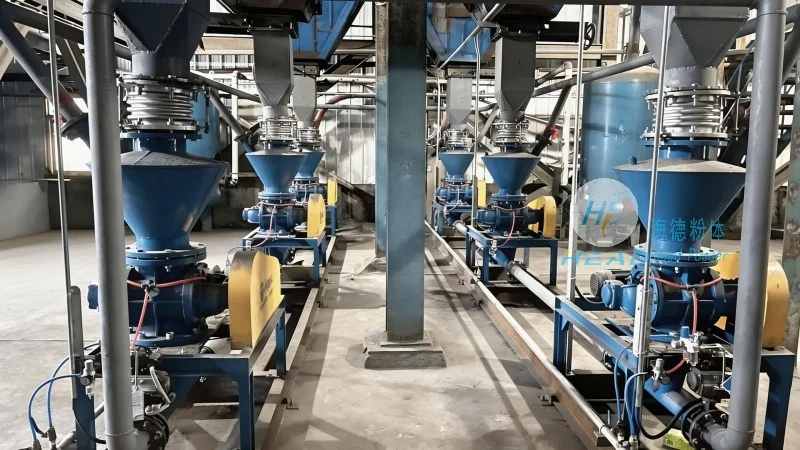
2. Efficient Material Handling: Pneumatic systems can handle fine and cohesive materials like pepper powder with high efficiency. The pressure or vacuum forces can move the material over long distances and through complex routes, making it suitable for large-scale processing plants. The system can also handle varying material feed rates, ensuring consistent production.
3. Reduced Maintenance: Pneumatic conveying systems have fewer moving parts compared to mechanical systems, which reduces the maintenance requirements. The components are also designed to handle the abrasive nature of pepper powder, minimizing wear and tear. This results in lower maintenance costs and longer system life.
4. Improved Product Quality: By maintaining a clean and controlled environment, pneumatic systems help preserve the quality of pepper powder. The absence of mechanical friction and the minimal exposure to air prevent the degradation of the product's flavor and color. This is particularly important for high-value pepper products, where quality is a key selling point.
5. Energy Efficiency: Modern pneumatic systems are designed to be energy-efficient, using less power compared to traditional mechanical systems. The use of high-efficiency blowers and vacuum pumps reduces energy consumption, leading to lower operating costs. Additionally, the system's ability to handle large volumes of material with minimal energy input makes it an economical choice for processing plants.