

What is Dust Collection Gas-Solid Pneumatic Conveying? Classification and Applications of Pneumatic
Gas-solid pneumatic conveying is a technology used to transport solid particles through a pipeline using air or other gas as the conveying medium. In the context of dust collection, this method is crucial for handling fine particulate matter, such as collected dust from industrial processes. The process involves creating a flow of air that carries the solid particles, enabling efficient transport from the dust collection point to a storage or processing location. This technology offers advantages like low maintenance, flexibility in system design, and the ability to handle abrasive or corrosive materials, making it a preferred choice in various industrial applications.
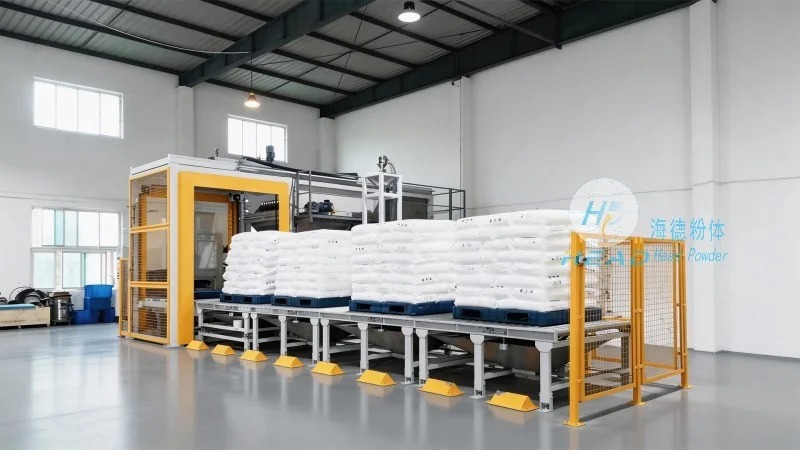
HeadPowder Engineering Co., Ltd.: Your Partner in Pneumatic Conveying Solutions
HeadPowder, a leading company in the field of pneumatic conveying systems, specializes in providing customized solutions for dust collection and material handling. With a focus on innovation and quality, HeadPowder has established itself as a trusted name in the industry. The company is headquartered in Shandong, China, and leverages its expertise to deliver efficient and reliable systems that meet the specific needs of clients across different sectors. By combining advanced engineering with practical application knowledge, HeadPowder ensures that its products and services are tailored to enhance operational efficiency and reduce costs for its customers.
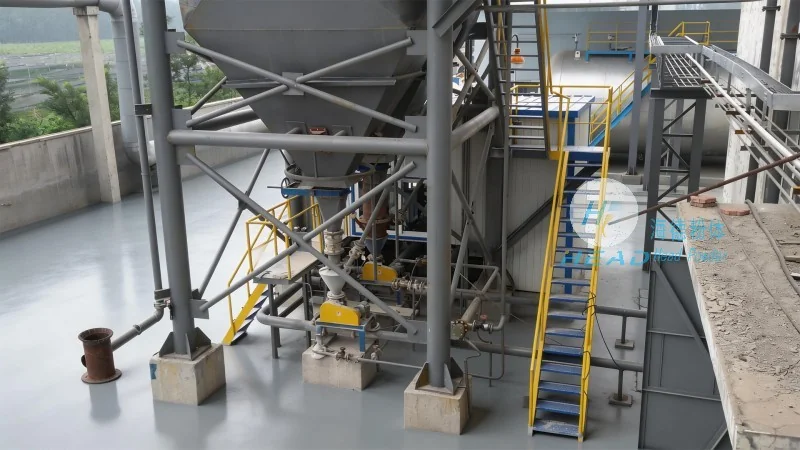
Classification of Pneumatic Conveying Systems
Pneumatic conveying systems are typically classified based on the pressure of the conveying medium and the direction of material flow. The main categories include:
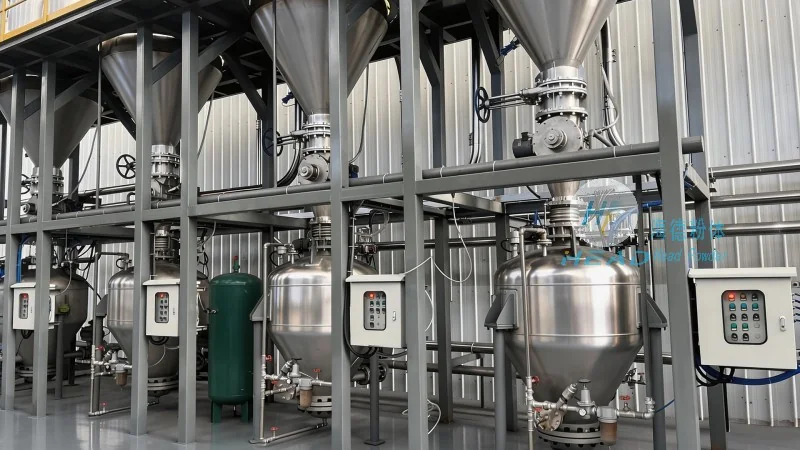
- Absorption Type (Suction Conveying): This system operates at a negative pressure, drawing material from the source into the pipeline. It is suitable for applications where the material is to be collected from a dispersed source or when the material is light and needs to be transported over short distances. The system uses a vacuum pump to create the necessary suction force, and the material is carried by the air flow as it moves through the pipeline.
- Pressurized Type (Pressure Conveying): In this system, the conveying medium is pressurized, pushing the material through the pipeline. It is commonly used for long-distance transport or when the material needs to be delivered to a high-pressure processing unit. The pressurized air or gas is introduced at the inlet of the pipeline, and the material is accelerated by the pressure differential, allowing for efficient transport.
- Combined Type (Suction and Pressure Conveying): This system combines elements of both suction and pressure conveying. It may use a suction section to collect material from a source and then a pressurized section to transport it to the destination. This approach is useful when the material needs to be collected from multiple points and then consolidated for transport. The combined system offers flexibility in handling different material characteristics and system configurations.
Each type of pneumatic conveying system has its own advantages and is selected based on factors such as the nature of the material (e.g., particle size, density, moisture content), the distance to be covered, and the required flow rate. The choice of system directly impacts the efficiency and cost-effectiveness of the material handling process.
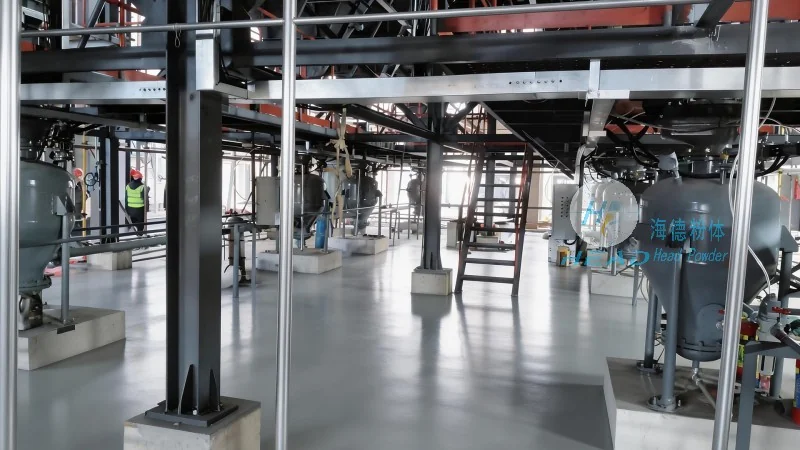
Applications of Pneumatic Conveying in Dust Collection
The application of pneumatic conveying in dust collection is widespread across various industries. Some key applications include: