

What is Alumina Pneumatic Conveying? Classification and Applications of Pneumatic Conveying
Alumina, a critical industrial material, is commonly transported using pneumatic conveying systems. This article delves into the concept of alumina pneumatic conveying, its classification, and practical applications in industrial operations. The information is presented by Shandong HeadPowder Engineering Co., Ltd., a leading provider of powder handling solutions based in China.
Introduction to Alumina Pneumatic Conveying
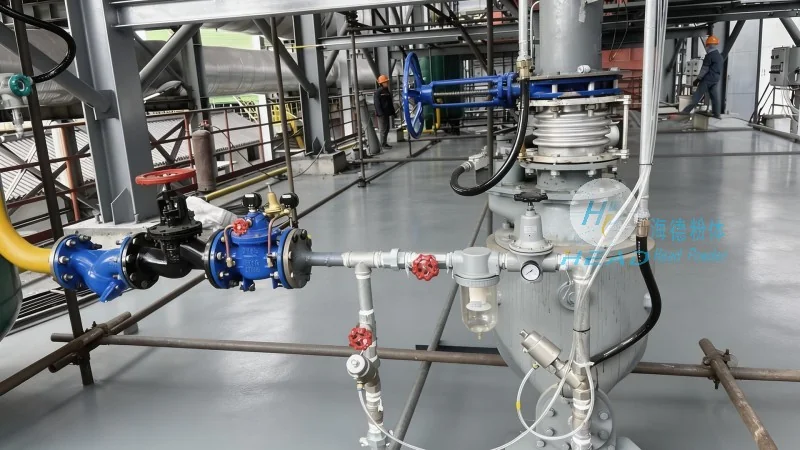
Alumina, also known as aluminum oxide, serves as a fundamental component in industries such as ceramics, electronics, and chemical manufacturing. Efficient and reliable transportation of alumina powder is essential for maintaining production efficiency and product quality. Pneumatic conveying offers a flexible and effective method for moving alumina from storage to processing units without mechanical components like belts or buckets. This technology utilizes air pressure to transport the material through a pipeline system, ensuring a clean and controlled transfer process.
Classification of Pneumatic Conveying Systems
Pneumatic conveying systems are categorized based on the pressure used to move the material. The two primary types are positive pressure and negative pressure systems. Positive pressure systems employ compressed air to push the material through the pipeline, while negative pressure systems use suction to draw the material into the system. Each type has distinct advantages and is suitable for different material characteristics and application requirements.
Within these categories, further subtypes exist. For example, in positive pressure systems, pressure dilute phase and pressure dense phase conveyors are common. Dilute phase systems utilize high velocity air to transport the material, making them ideal for long-distance and high-volume transport. Dense phase systems, conversely, use lower velocity air and higher material concentration, which is optimal for handling delicate or abrasive materials like alumina. This approach minimizes particle degradation and system wear.
Applications of Alumina Pneumatic Conveying
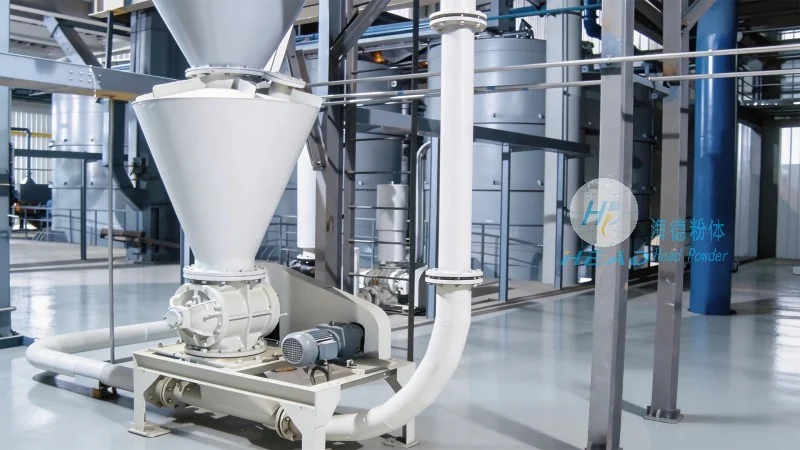
Alumina pneumatic conveying is widely applied across various production processes. In the ceramics industry, it is used to transport raw alumina powder to mixing and molding equipment. The controlled flow ensures consistent material quality, which is crucial for producing high-quality ceramic products. In the electronics industry, alumina serves as a substrate material, and pneumatic conveying systems efficiently deliver the powder to sintering furnaces and other processing equipment, maintaining precise material handling and reducing contamination risks.
In chemical manufacturing, alumina is used as a catalyst or adsorbent, and the ability to handle it in a dust-free environment is essential. Pneumatic conveying systems provide this capability, allowing for safe and efficient transfer of the material to reactors and storage tanks. Additionally, in the pharmaceutical and food industries, where material purity is paramount, pneumatic conveying offers a hygienic and contamination-free method for moving alumina, ensuring compliance with industry standards.
Advantages of Using Pneumatic Conveying for Alumina
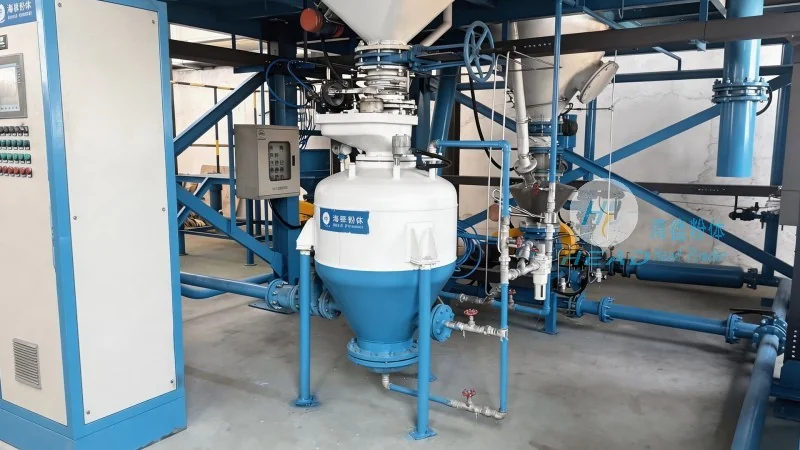
Employing pneumatic conveying systems for alumina transportation offers several benefits. One key advantage is the ability to handle abrasive and delicate materials without causing damage. The controlled air flow and reduced mechanical contact minimize particle breakage and wear on system components, leading to longer equipment life and lower maintenance costs. Additionally, pneumatic conveying systems are flexible and can be easily integrated into existing production lines, allowing for changes in material flow rates and destinations without major modifications.
Another advantage is the clean and dust-free operation. Unlike mechanical systems that may generate dust and require additional filtration, pneumatic conveying keeps the material contained within the pipeline, reducing environmental impact and improving workplace safety. This is particularly important for handling alumina, which can be a respiratory hazard if not properly contained. The system also enables the transfer of materials over long distances and vertical heights, making it suitable for complex production layouts.
Conclusion
Alumina pneumatic conveying is a vital technology in the efficient and safe handling of alumina powder. By understanding the classification of pneumatic conveying systems and their applications, industries can optimize their material transport processes. Shandong HeadPowder Engineering Co., Ltd. specializes in providing customized pneumatic conveying solutions tailored to the specific needs of alumina handling, ensuring reliable and efficient operations for their clients.