

Classification and Composition of Cellulose Pneumatic Conveying Systems
Cellulose pneumatic conveying systems are crucial in various industrial processes, particularly for the efficient transportation of cellulose-based materials. These systems utilize air or gas to move bulk materials through a pipeline network, offering advantages such as reduced labor costs, minimized material degradation, and enhanced safety compared to traditional mechanical conveying methods.
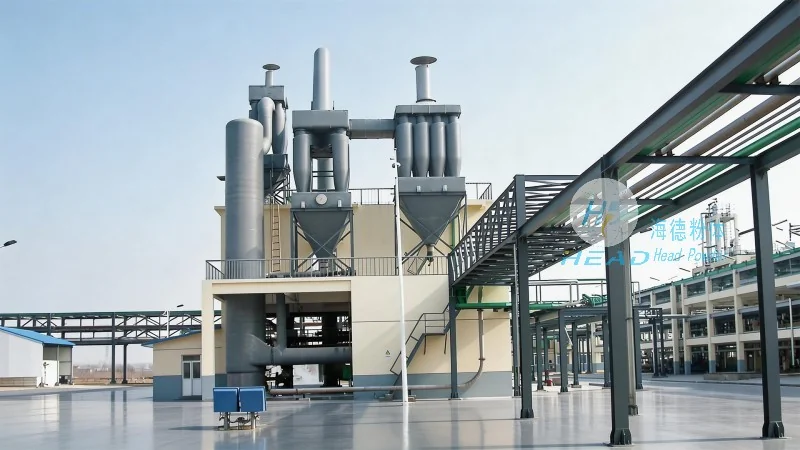
Classification of Cellulose Pneumatic Conveying Systems
Cellulose pneumatic conveying systems can be broadly categorized based on the pressure of the conveying medium and the material transport method. The primary classifications include:
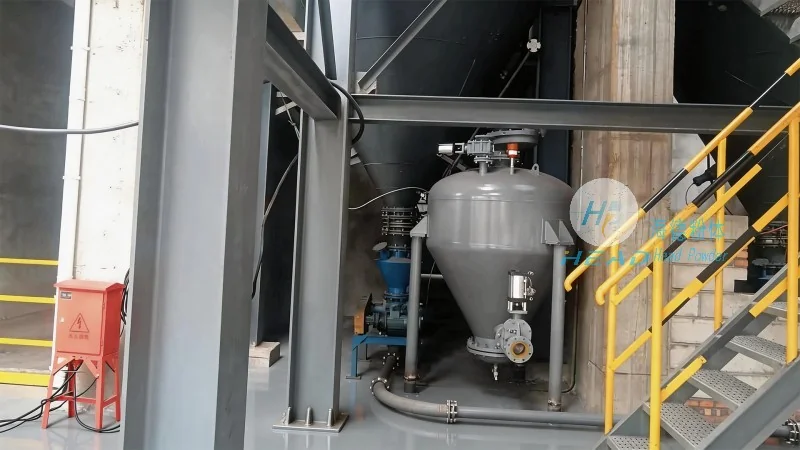
- Positive Pressure Systems: These systems operate by blowing air or gas into the pipeline, creating a positive pressure that propels the material forward. They are suitable for short to medium distances and low to moderate material loads.
- Negative Pressure (Vacuum) Systems: In these systems, a vacuum is created at the receiving end, drawing material from the source through the pipeline. This method is ideal for applications requiring material to be transported over longer distances or where the material is sensitive to pressure changes.
- Pressure Differential Systems: Combining elements of both positive and negative pressure, these systems use a combination of low pressure at the source and higher pressure at the receiver to achieve efficient material transport. They are versatile and can handle a wide range of material types and flow rates.
Key Components of Cellulose Pneumatic Conveying Systems
The effective operation of cellulose pneumatic conveying systems relies on several critical components, each designed to ensure optimal performance and material handling. The main components include:
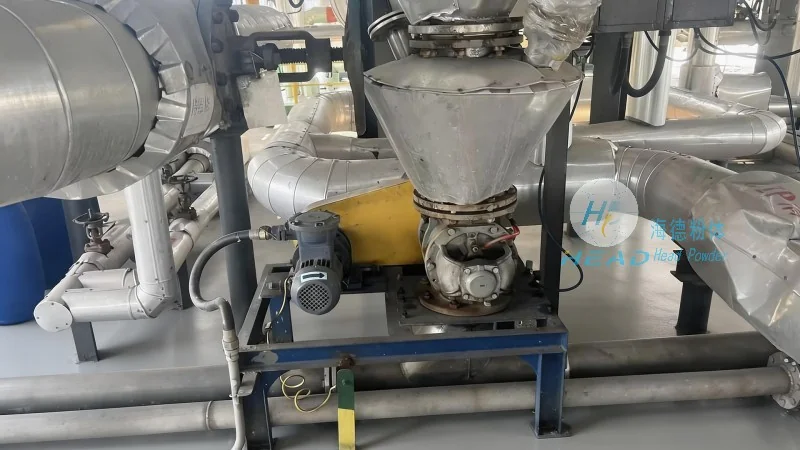
- Feeder or Hopper: This component is responsible for feeding the cellulose material into the conveying system. It can be a hopper, screw feeder, or rotary valve, depending on the material characteristics and flow requirements. The feeder ensures a consistent and controlled flow of material into the pipeline.
- Pneumatic Conveying Pipe: The pipeline is the primary pathway for transporting the material. It is typically made of durable materials such as stainless steel or plastic, designed to withstand the pressure and abrasion from the cellulose particles. The pipe diameter and length are carefully selected based on the material's properties and the required conveying distance.
- Air or Gas Supply Unit: This component provides the necessary air or gas to power the conveying system. It includes a blower or vacuum pump, which generates the pressure or vacuum required for material transport. The unit is equipped with controls to regulate the air flow and pressure, ensuring stable operation.
- Control Valves and Regulators: These components are used to control the flow of air and material within the system. Valves such as check valves, flow control valves, and pressure regulators help maintain the desired pressure and flow rates, preventing backflow and ensuring smooth operation.
- Receiver or Discharge Hopper: The receiver is where the cellulose material is deposited after being conveyed. It is typically a hopper or storage bin designed to collect the material and prevent spillage. The receiver may include features like a discharge valve or conveyor for further processing.
Applications and Benefits of Cellulose Pneumatic Conveying Systems
Cellulose pneumatic conveying systems are widely used in industries that handle cellulose-based materials, including paper manufacturing, textile production, and food processing. The benefits of these systems include:
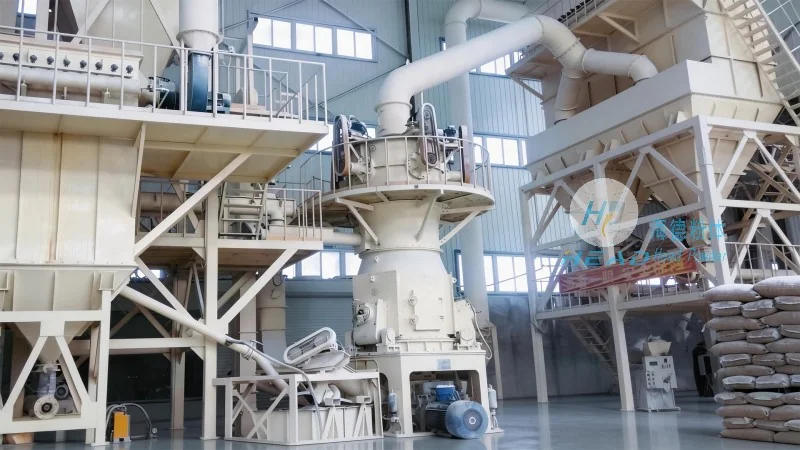
- Efficient Material Handling: These systems enable the rapid and efficient transportation of large quantities of cellulose material, reducing the time and labor required for manual handling.
- Reduced Material Degradation: Unlike mechanical conveying methods, pneumatic systems minimize material abrasion and breakage, preserving the quality of the cellulose particles.
- Enhanced Safety: By eliminating the need for manual handling of bulk materials, pneumatic systems reduce the risk of accidents and improve workplace safety.
- Space Efficiency: The compact design of pneumatic conveying systems allows for efficient use of space, making them suitable for facilities with limited floor area.
About Shandong HeadPowder Engineering Co., Ltd.
Shandong HeadPowder Engineering Co., Ltd., operating under the brand name HeadPowder, is a leading manufacturer and supplier of cellulose pneumatic conveying systems. With a focus on innovation and quality, the company specializes in designing and manufacturing customized solutions tailored to the specific needs of its clients. HeadPowder's systems are known for their reliability, efficiency, and durability, making them a trusted choice in the industry. The company is committed to providing comprehensive support, from system design and installation to maintenance and after-sales service, ensuring that clients achieve optimal performance and long-term value from their pneumatic conveying systems.