

Classification and Composition of Camellia Seed Pneumatic Conveying Systems
Camellia seed pneumatic conveying systems are essential for efficient handling and transportation of camellia seeds in industrial processing. These systems utilize air as the conveying medium to move seeds from one location to another, offering advantages such as reduced labor costs, improved safety, and enhanced process control. The classification and composition of these systems are critical for understanding their functionality and selecting the appropriate system for specific applications.
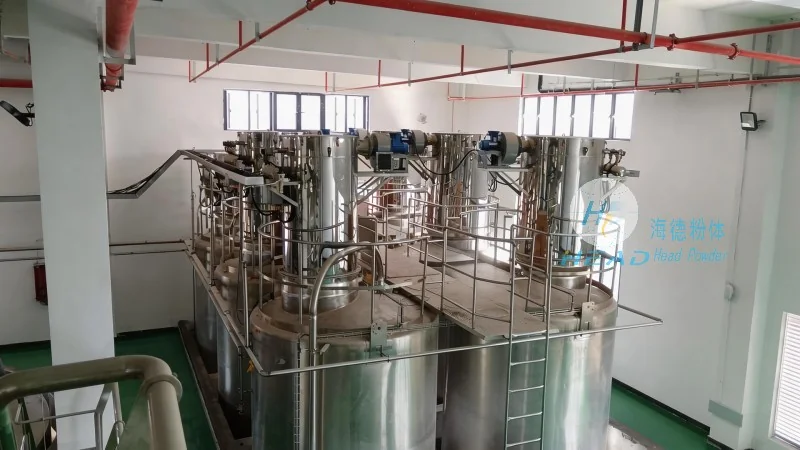
Classification of Camellia Seed Pneumatic Conveying Systems
Camellia seed pneumatic conveying systems can be classified based on several key factors, including the type of air flow, the method of material transport, and the system design. The primary classifications include positive pressure systems, negative pressure systems, and hybrid systems. Positive pressure systems use compressed air to push the material through the conveying line, while negative pressure systems use vacuum to pull the material. Hybrid systems combine both positive and negative pressure principles to optimize performance. Each classification has distinct advantages and is suitable for different operational requirements, such as material characteristics, distance, and system complexity.
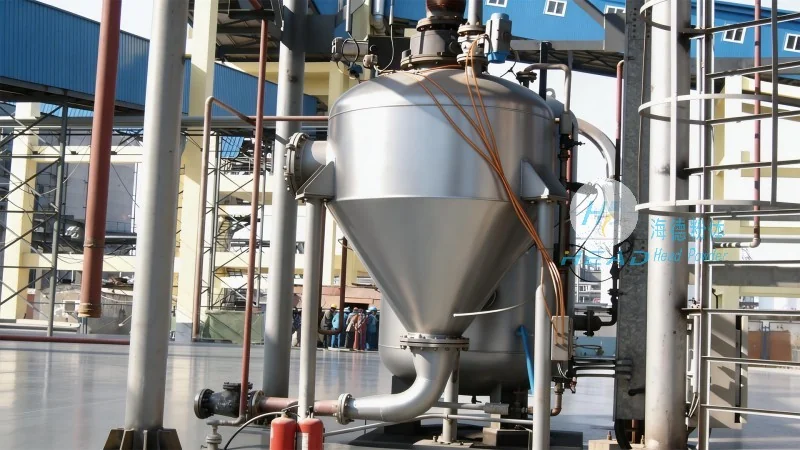
Key Components of Camellia Seed Pneumatic Conveying Systems
The composition of a camellia seed pneumatic conveying system typically includes several essential components that work together to ensure efficient operation. The main components are the material feeders, air movers (blowers or fans), conveying lines (hoses or pipes), and collection hoppers or silos. Material feeders, such as rotary valves or screw feeders, regulate the flow of camellia seeds into the system, ensuring consistent and controlled material input. Air movers, which can be centrifugal blowers or positive displacement blowers, generate the necessary air pressure or vacuum to move the seeds. Conveying lines, made of materials like stainless steel or plastic, transport the seeds and air mixture. Collection hoppers or silos are used to store the conveyed seeds, providing a buffer and facilitating downstream processing. Additionally, control systems, including pressure sensors and valves, monitor and regulate the system's performance to maintain optimal operation.
System Design Considerations for Camellia Seed Handling
When designing a camellia seed pneumatic conveying system, several factors must be considered to ensure efficiency and reliability. The first consideration is the material characteristics of the camellia seeds, including their size, shape, moisture content, and density. These factors affect the system's capacity and the type of conveying line required. The second consideration is the distance and layout of the conveying route, as this influences the air pressure and blower size needed. The third consideration is the system's integration with other processing equipment, such as cleaning or sorting machines, to ensure seamless operation. Proper system design also involves selecting appropriate components, such as air filters to prevent contamination and maintenance-friendly designs to minimize downtime. By addressing these design considerations, manufacturers can develop systems that effectively handle camellia seeds while meeting operational and quality standards.

Applications and Benefits of Camellia Seed Pneumatic Conveying Systems
Camellia seed pneumatic conveying systems are widely used in various industrial applications, including oil extraction, seed processing, and storage. The primary benefits of these systems include improved material handling efficiency, reduced labor costs, and enhanced safety by minimizing manual handling of seeds. Additionally, these systems offer better process control, allowing for consistent product quality and reduced waste. The systems are also suitable for handling seeds with high moisture content or delicate structures, as the air flow minimizes material damage. In oil extraction facilities, for example, pneumatic conveying systems efficiently transport camellia seeds from storage to processing equipment, ensuring a continuous and smooth operation. The benefits extend to seed storage facilities, where the systems help maintain seed quality by preventing contamination and spoilage during transportation. Overall, camellia seed pneumatic conveying systems provide a reliable and efficient solution for handling camellia seeds in industrial settings.