

Introduction to Dust Transport Systems and the Advantages of Dust Pneumatic Conveying
Welcome to Shandong HeadPowder Engineering Co., Ltd., a leading provider of dust transport solutions. Our company specializes in the design, manufacturing, and implementation of efficient dust handling systems, particularly focusing on pneumatic conveying technologies for various industrial applications. This article provides an overview of our dust transport systems and highlights the key advantages of using pneumatic conveying for dust materials.
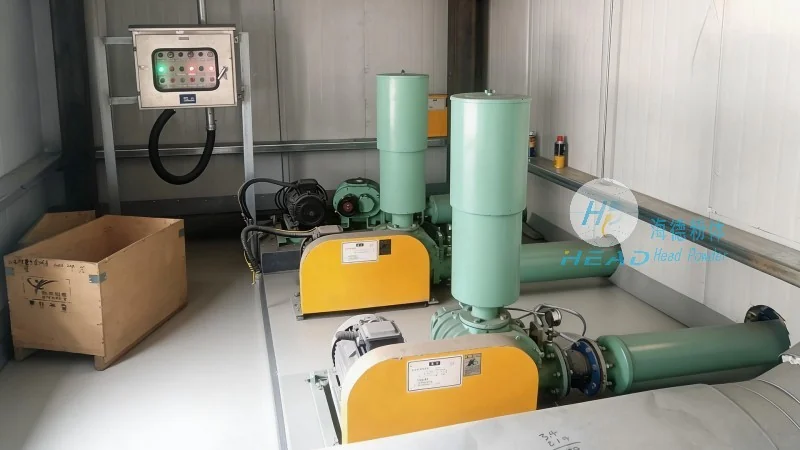
Understanding Dust Transport Systems
Dust transport systems are critical in industries where handling fine powders and particulate materials is essential. These systems are engineered to safely and efficiently move dust from one location to another, ensuring minimal loss, contamination, and operational disruptions. At HeadPowder, we develop customized solutions tailored to the specific needs of our clients, addressing challenges such as material variability, environmental regulations, and process integration.
Advantages of Pneumatic Conveying for Dust Materials
Pneumatic conveying, also known as air conveying, is a highly effective method for transporting dust and other dry powders. Unlike traditional mechanical systems like belt conveyors or screw conveyors, pneumatic systems use compressed air to move materials through a pipeline network. This approach offers several distinct advantages that make it ideal for dust handling applications.
Firstly, pneumatic conveying provides a high degree of flexibility in system layout. The ability to route materials through vertical, horizontal, or complex paths allows for seamless integration with existing production lines or facility layouts. This flexibility reduces installation costs and minimizes the need for extensive structural modifications.
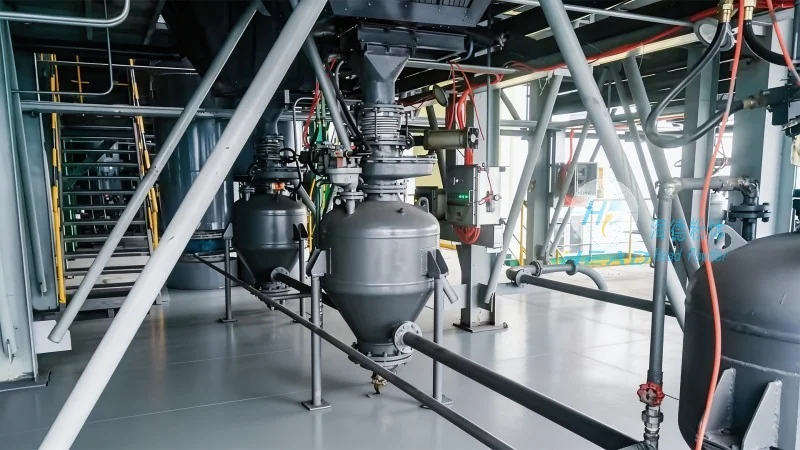
Secondly, pneumatic systems offer excellent material handling capabilities. They can transport a wide range of dust types, including fine powders, granules, and even sticky or abrasive materials, without causing degradation or contamination. The enclosed pipeline design prevents dust from escaping into the environment, ensuring compliance with environmental regulations and maintaining a clean working environment.
Thirdly, pneumatic conveying enhances operational efficiency and safety. By eliminating the need for manual handling of dusty materials, these systems reduce the risk of respiratory illnesses and other health hazards associated with dust exposure. Additionally, the automated nature of pneumatic systems minimizes human intervention, leading to consistent performance and reduced downtime.
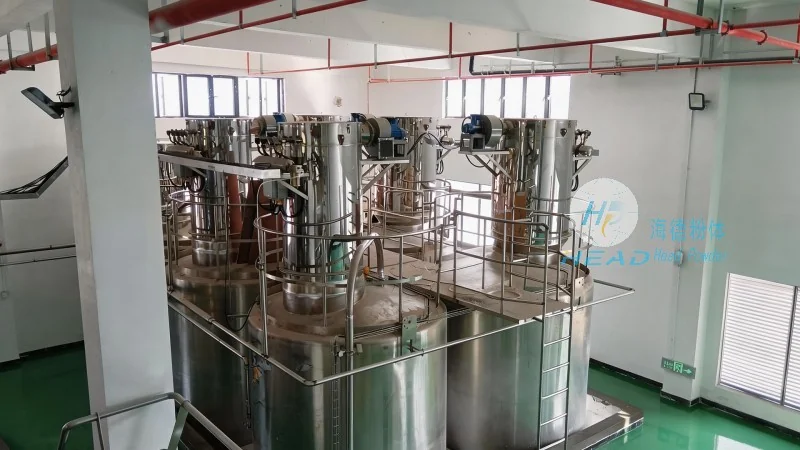
Customized Solutions from HeadPowder
At Shandong HeadPowder Engineering Co., Ltd., we understand that each industrial application has unique requirements. Our team of experts works closely with clients to design and implement tailored dust transport systems that meet their specific needs. Whether it's a small-scale operation or a large industrial facility, we provide comprehensive solutions that include system design, equipment selection, installation, and ongoing support.
Our commitment to quality and innovation ensures that our dust transport systems are built to last and perform reliably under demanding conditions. We utilize advanced engineering principles and cutting-edge technologies to optimize material flow, energy consumption, and overall system efficiency. By partnering with HeadPowder, clients gain access to a reliable and efficient solution for their dust handling challenges.
Conclusion
In conclusion, dust transport systems, particularly those utilizing pneumatic conveying, offer significant advantages in industrial applications. The flexibility, efficiency, and safety benefits of these systems make them a preferred choice for handling dust and dry powders. Shandong HeadPowder Engineering Co., Ltd. is dedicated to providing high-quality, customized dust transport solutions that meet the evolving needs of modern industries. Contact us today to learn more about how our systems can enhance your material handling processes.