

Introduction to Dust Conveying Systems: Advantages and Features of Pneumatic Dust Conveying
Efficient and reliable material handling is a critical aspect of modern industrial operations, particularly in sectors dealing with fine powders and dust. Among the various methods available, dust conveying systems, especially those utilizing pneumatic technology, have emerged as a preferred solution for transporting bulk materials with precision and minimal disruption. This article provides an overview of dust conveying systems, focusing on the advantages and key features of pneumatic dust conveying, while highlighting the expertise of Shandong HeadPowder Engineering Co., Ltd. in delivering tailored solutions for diverse industrial needs.
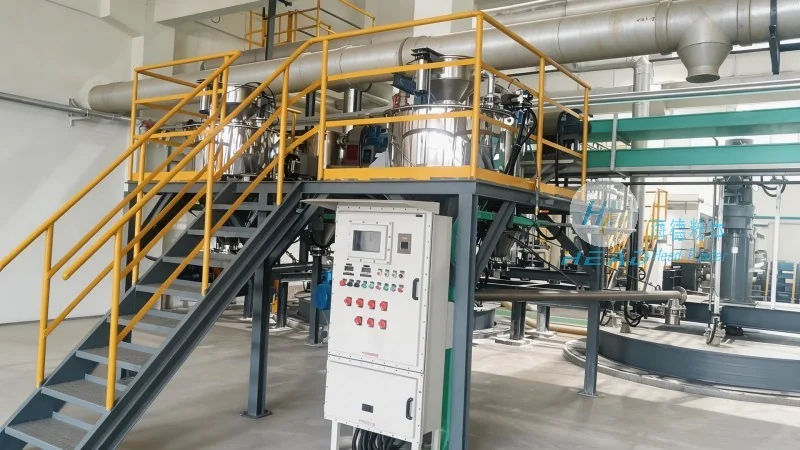
Core Components and Working Principles of Dust Conveying Systems
Dust conveying systems are designed to transport dry powders and fine particles from one location to another within an industrial facility. The fundamental components typically include a dust collector, a conveying line (often a flexible hose or rigid pipe), a blower or compressor to generate airflow, and a discharge mechanism at the destination point. The working principle revolves around creating a controlled airflow that lifts and transports the dust particles through the system. By maintaining consistent air pressure and velocity, these systems ensure that even the most delicate or abrasive powders are moved safely and efficiently. The design of the conveying line, including its diameter and material, plays a crucial role in preventing particle degradation and system blockages. For instance, stainless steel or food-grade materials are often chosen for applications involving sensitive or hygienic powders, while flexible hoses may be preferred for applications requiring high flexibility and mobility.
Advantages of Pneumatic Dust Conveying Over Traditional Methods
Pneumatic dust conveying offers several distinct advantages over traditional mechanical methods such as screw conveyors or belt conveyors. One of the primary benefits is the ability to handle a wide range of particle sizes and densities without the need for mechanical components that can wear out or break down. This makes pneumatic systems particularly suitable for transporting abrasive or corrosive powders, which would quickly damage mechanical parts. Additionally, pneumatic conveying systems are highly flexible in terms of layout and installation. They can be easily reconfigured to accommodate changes in production processes or facility expansions, as the conveying lines can be routed around obstacles and through multiple levels without significant structural modifications. This flexibility also extends to the ability to transport materials over long distances or between different buildings, making it ideal for large-scale industrial operations. Another key advantage is the improved safety and hygiene. Since there are no moving parts in direct contact with the material, the risk of contamination or product degradation is significantly reduced. This is especially important in industries such as pharmaceuticals, food processing, and chemical manufacturing, where product purity and safety are paramount. Furthermore, pneumatic systems can operate at relatively low temperatures, which is beneficial for heat-sensitive materials that could degrade if exposed to higher temperatures in mechanical systems.
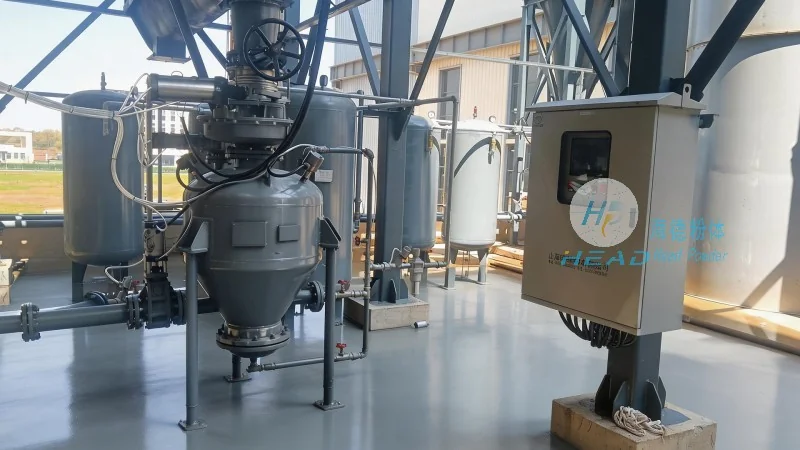
Key Features and Customization Options for Pneumatic Dust Conveying
Modern pneumatic dust conveying systems come with a range of features and customization options to meet specific industrial requirements. One of the most important features is the ability to adjust air pressure and flow rates to optimize material transport. This allows operators to fine-tune the system for different powder types, ensuring that the material is conveyed at the desired speed without causing excessive wear or energy consumption. Advanced systems may also include variable frequency drives (VFDs) to control the blower speed, further enhancing energy efficiency and reducing operational costs. Another critical feature is the inclusion of filtration and dust collection components. Many pneumatic systems integrate dust collectors or cyclones to capture and separate the conveyed particles from the exhaust air, preventing dust emissions and ensuring compliance with environmental regulations. This integrated approach not only improves safety but also reduces the need for separate dust collection equipment, simplifying the overall system design. Customization options also extend to the type of conveying line used. For applications requiring high flexibility, such as moving materials between different workstations, flexible hoses or flexible ducts are commonly used. These hoses can be easily repositioned and are less prone to damage from impacts or vibrations compared to rigid pipes. Conversely, for applications involving high-pressure or abrasive materials, rigid stainless steel pipes are preferred for their durability and ability to withstand higher pressures. The choice of blower or compressor also varies based on the application. Centrifugal blowers are often used for low to medium pressure applications, while positive displacement blowers are suitable for high-pressure or high-volume conveying tasks. This flexibility in component selection allows manufacturers like Shandong HeadPowder Engineering Co., Ltd. to design systems that are perfectly matched to the unique needs of each client.
Applications and Industries Benefiting from Pneumatic Dust Conveying
Pneumatic dust conveying systems are widely used across various industries due to their versatility and efficiency. In the pharmaceutical industry, these systems are essential for transporting active pharmaceutical ingredients (APIs) and other fine powders, where contamination control and product purity are critical. The ability to handle hygienic materials without mechanical contact ensures that the final product remains free from contaminants, meeting stringent regulatory standards. Similarly, in the food processing industry, pneumatic conveying is used to transport ingredients such as flour, sugar, and spices. The systems are designed to maintain food safety by preventing cross-contamination and ensuring that the materials are handled gently to preserve their quality and flavor. The chemical industry also relies heavily on pneumatic dust conveying for transporting various chemicals, including powders and granules. This is particularly important for handling corrosive or hazardous materials, as the system's design minimizes the risk of leaks or spills. The flexibility of the conveying lines allows for safe and efficient transport of these materials within the facility, reducing the risk of accidents. In addition to these industries, pneumatic dust conveying is also used in the mining and mineral processing sector, where large volumes of ore and dust are transported from processing plants to storage or processing facilities. The high capacity and long-distance transport capabilities of these systems make them ideal for such applications. Furthermore, in the construction and building materials industry, pneumatic systems are used to transport cement, sand, and other construction materials. This allows for efficient and dust-free material handling on construction sites, improving safety and productivity. The consistent performance of pneumatic systems in these diverse applications highlights their adaptability and reliability, making them a preferred choice for many industrial operations.
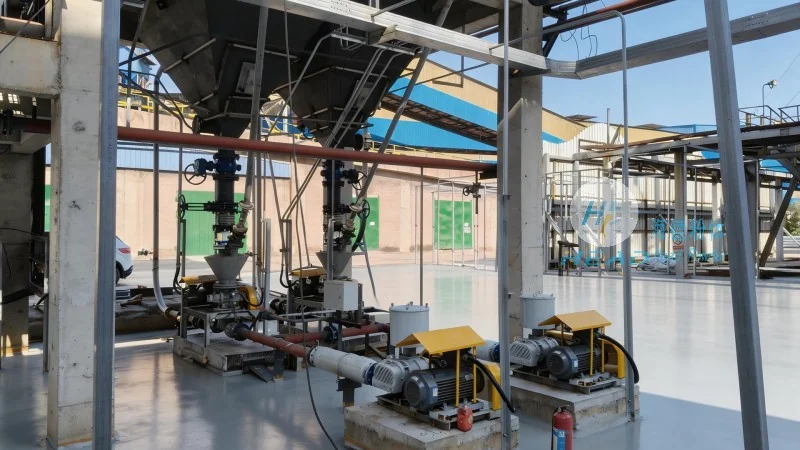
Case Studies and Real-World Applications
Shandong HeadPowder Engineering Co., Ltd. has successfully implemented pneumatic dust conveying systems in numerous real-world applications, demonstrating the effectiveness and reliability of their solutions. One notable case involves a pharmaceutical company that required a dust-free system for transporting active pharmaceutical ingredients (APIs) from a production line to a packaging facility. The company chose a pneumatic conveying system with stainless steel components and integrated dust collection to ensure product purity and compliance with GMP (Good Manufacturing Practice) standards. The system was designed to handle fine powders at a controlled rate, minimizing the risk of particle degradation and ensuring consistent product quality. The result was a significant reduction in product contamination and a more efficient material handling process, leading to increased productivity and customer satisfaction. Another case involved a food processing plant that needed to transport flour and other ingredients between different production areas. The plant opted for a flexible hose pneumatic system that could be easily repositioned as production processes changed. The system's ability to handle high volumes of material and maintain product quality made it an ideal solution for the plant's needs. The success of these projects highlights the expertise of Shandong HeadPowder Engineering Co., Ltd. in designing and implementing customized pneumatic dust conveying systems that meet the specific requirements of each client.
Conclusion and Future Trends in Dust Conveying Technology
In conclusion, pneumatic dust conveying systems offer a highly effective and versatile solution for transporting fine powders and dust in various industrial applications. The advantages of these systems, including their ability to handle diverse materials, flexibility in layout, and improved safety and hygiene, make them a preferred choice over traditional mechanical methods. As industrial operations continue to evolve, the demand for efficient and reliable material handling solutions will only increase. Shandong HeadPowder Engineering Co., Ltd. plays a crucial role in meeting this demand by providing tailored pneumatic dust conveying systems that are designed to meet the unique needs of each client. With their expertise in system design, component selection, and integration, the company ensures that clients receive solutions that are not only efficient but also compliant with industry standards and regulations. As technology advances, future trends in dust conveying technology may include the integration of automation and IoT (Internet of Things) sensors to monitor system performance and optimize operations. These advancements will further enhance the efficiency and reliability of pneumatic dust conveying systems, making them an even more critical component of modern industrial operations. The continued development and application of such technologies will undoubtedly contribute to the growth and success of industries that rely on the safe and efficient handling of bulk materials.