

Analysis of Pneumatic Conveying Systems for Battery Anode Materials
Pneumatic conveying systems are critical in the processing of battery anode materials, ensuring efficient material handling and transport from raw material storage to production lines. The technology plays a vital role in maintaining consistent material flow, which is essential for the quality and performance of lithium-ion batteries. This analysis explores the key components, operational principles, and practical applications of such systems in the battery manufacturing industry.
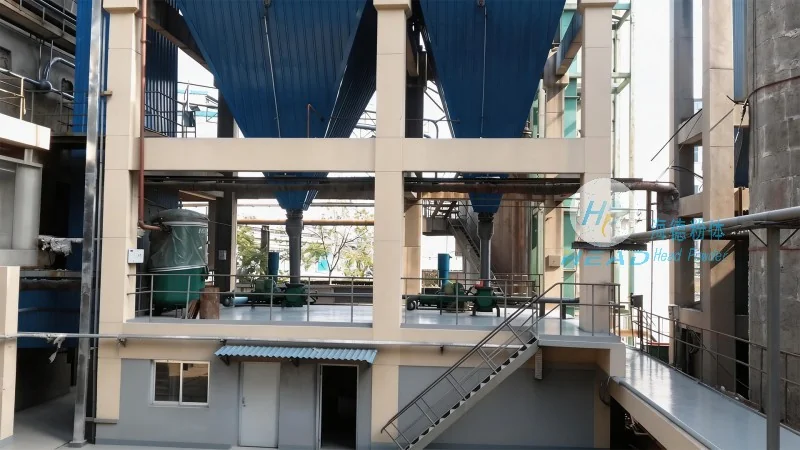
Company Profile: Shandong HeadPowder Engineering Co., Ltd.
Shandong HeadPowder Engineering Co., Ltd., operating under the brand name headpowder, specializes in engineering solutions for material handling and processing. With a focus on precision and reliability, the company has developed advanced pneumatic conveying systems tailored to the unique demands of battery anode material processing. Headpowder's expertise lies in integrating cutting-edge technology with industrial requirements to deliver efficient and safe material transport solutions.
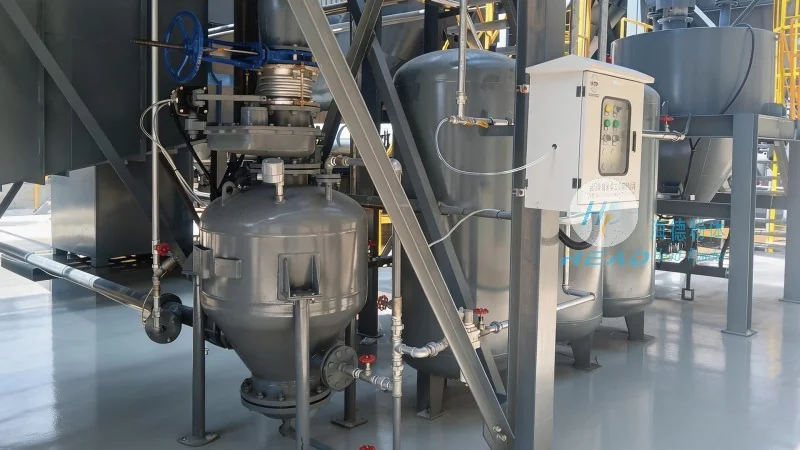
Technical Features of the Pneumatic Conveying System
The pneumatic conveying system for battery anode materials typically consists of several key components, including hoppers, feeders, conveying lines, and control systems. The system operates by using compressed air to transport powders or granules through a sealed pipeline. This method ensures minimal material loss, contamination, and dust exposure, which are critical factors in maintaining the purity and quality of battery anode materials. The system's design allows for adjustable flow rates and pressure control, enabling precise material handling according to production needs.
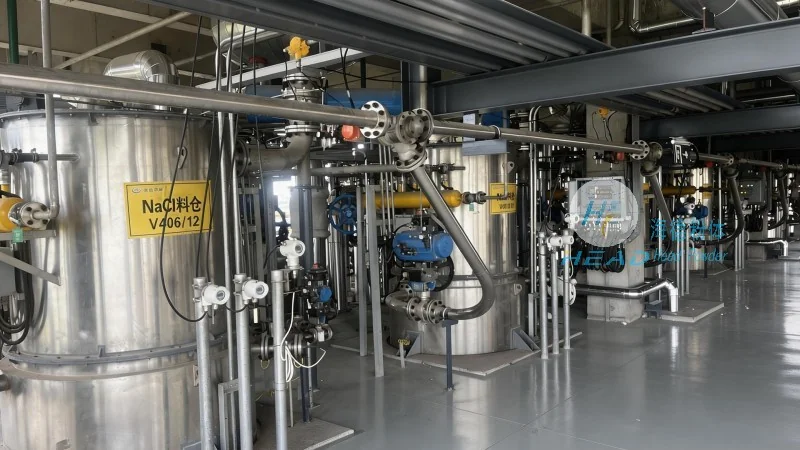
Application in Battery Material Processing
In battery material processing, the pneumatic conveying system is used to transport raw anode materials, such as graphite or silicon, from storage silos to mixing and coating equipment. The system's ability to handle fine powders without clogging or degradation is particularly important, as anode materials often have high surface area and sensitivity to moisture or air exposure. By integrating the system with other production processes, manufacturers can achieve seamless material flow, reducing downtime and improving overall production efficiency.
Advantages and Benefits for Battery Manufacturers
The advantages of using a pneumatic conveying system for battery anode materials include enhanced material purity, reduced contamination risk, and improved safety in the workplace. The sealed system prevents dust from entering the environment, which is crucial for compliance with environmental regulations and worker health standards. Additionally, the system's flexibility allows for easy integration with existing production lines, minimizing the need for major infrastructure changes. For battery manufacturers, this translates to cost savings through reduced material waste and increased production throughput.
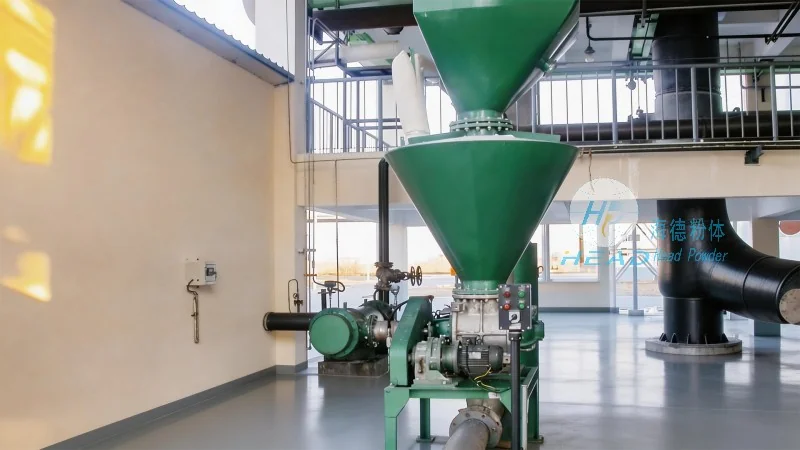
Conclusion
In conclusion, pneumatic conveying systems are indispensable in the battery anode material processing industry. Shandong HeadPowder Engineering Co., Ltd. provides advanced solutions that address the specific challenges of handling fine, sensitive materials. By leveraging the company's expertise and technology, battery manufacturers can enhance their production processes, ensure product quality, and maintain compliance with industry standards. The integration of such systems is a key step toward optimizing battery production and meeting the growing demand for high-performance lithium-ion batteries.