

Common Methods for Magnesium Oxide Powder Conveying
When it comes to handling and transporting magnesium oxide powder, selecting the right conveying method is crucial for efficiency and safety. Shandong HeadPowder Engineering Co., Ltd., a leading manufacturer in the field, specializes in providing solutions tailored to various industrial needs. With a focus on reliability and performance, their expertise helps clients optimize their powder handling processes. The following sections explore common methods for magnesium oxide powder conveying, highlighting key considerations and applications.
1. Pneumatic Conveying Systems
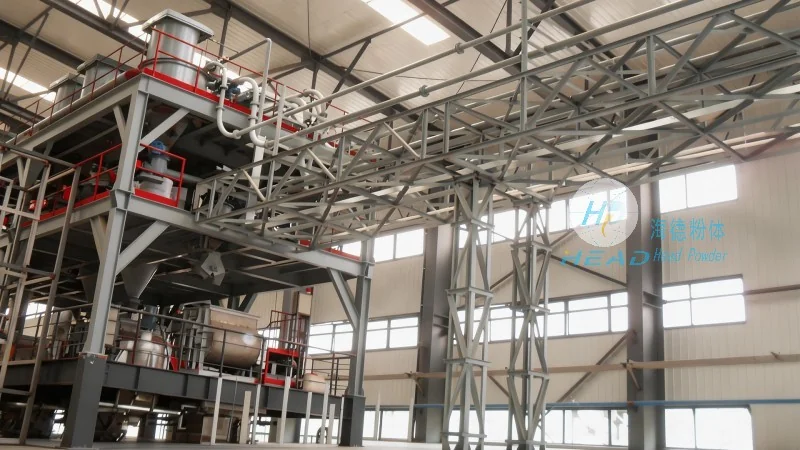
Pneumatic conveying is a widely used method for transporting magnesium oxide powder due to its ability to handle fine powders efficiently. This system utilizes air pressure to move the powder through a pipeline. There are two main types: pressure and vacuum systems. Pressure systems use compressed air to push the powder forward, while vacuum systems create a negative pressure to draw the powder into the line. The choice between these depends on factors such as distance, volume, and the specific characteristics of the magnesium oxide powder. For example, in applications where long distances are involved, pressure systems are often preferred as they can maintain a consistent flow without the need for multiple vacuum stages. The equipment used in pneumatic conveying includes feeders, ducts, and control valves, all designed to handle the abrasive nature of magnesium oxide powder. Proper maintenance of these components is essential to ensure the system operates at peak efficiency and to prevent material buildup or blockages.
2. Screw Conveyors
Screw conveyors, also known as auger conveyors, are another common method for transporting magnesium oxide powder. These systems consist of a rotating screw inside a tube or trough, which moves the powder along the length of the conveyor. Screw conveyors are particularly effective for horizontal or slightly inclined transport, making them suitable for applications where the powder needs to be moved over short to medium distances. The design of the screw, including its pitch and diameter, can be customized to handle different particle sizes and flow rates. For magnesium oxide powder, which can be fine and prone to caking, a screw conveyor with a smooth or grooved surface may be used to prevent sticking. The speed of the screw and the angle of inclination are critical parameters that affect the conveying capacity and the risk of material degradation. In industrial settings, screw conveyors are often integrated with other equipment, such as hoppers and storage tanks, to form a complete powder handling system. Regular cleaning and lubrication of the screw and bearings are necessary to maintain the longevity of the equipment and to ensure consistent performance.
3. Belt Conveyors
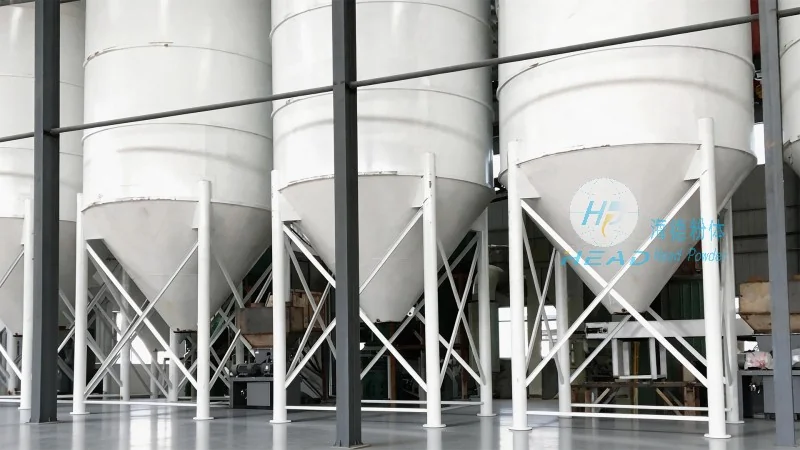
Belt conveyors are a versatile option for transporting magnesium oxide powder, especially in large-scale operations. These systems use a continuous belt that moves the powder from one point to another. The belt is typically made of materials like rubber or plastic, which are resistant to the chemical properties of magnesium oxide powder. The design of the belt conveyor, including the width and length, is determined by the volume of powder to be transported and the distance between the loading and unloading points. For example, in a manufacturing facility, a belt conveyor may be used to move magnesium oxide powder from a storage silo to a processing unit. The speed of the belt and the tension can be adjusted to control the flow rate and prevent overloading. Belt conveyors are also suitable for inclined or vertical transport, although this requires additional components like idlers and pulleys to support the weight of the powder. The advantage of belt conveyors is their ability to handle high volumes of material with minimal maintenance, making them a cost-effective solution for many industrial applications. However, they may not be as efficient for very fine powders, as the belt can cause some material to fall through the gaps, leading to loss or contamination.
4. Bucket Elevators
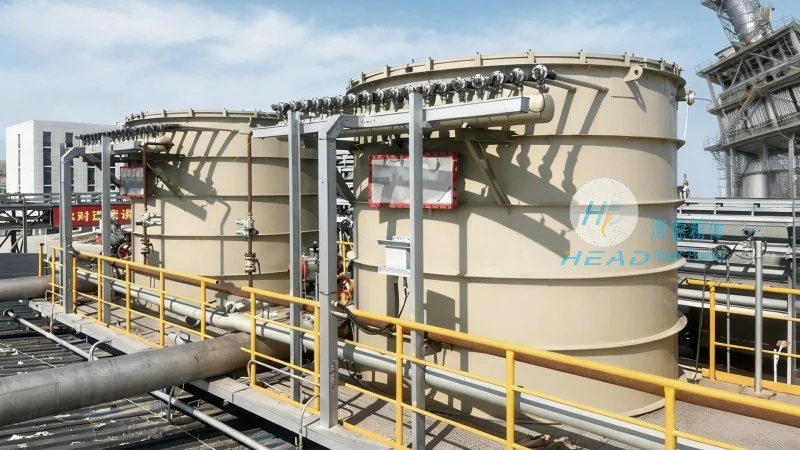
Bucket elevators are a specialized type of conveyor used for vertical or inclined transport of magnesium oxide powder. These systems consist of a series of buckets attached to a chain or belt, which travels up and down a vertical or inclined frame. The buckets are filled with powder at the bottom and discharged at the top, allowing for efficient vertical movement. Bucket elevators are particularly useful when the powder needs to be lifted to a significant height, such as from a ground-level storage area to an upper processing unit. The design of the bucket elevator, including the bucket size and spacing, is tailored to the characteristics of the magnesium oxide powder. For example, larger buckets may be used for coarser powders, while smaller buckets are suitable for fine powders to prevent spillage. The speed of the chain or belt and the angle of the frame are critical factors that affect the conveying capacity and the risk of material spillage. Bucket elevators are often equipped with safety features, such as emergency stop buttons and overload protection, to ensure safe operation. Regular inspection of the buckets and the chain is necessary to detect wear and tear, which can lead to inefficiencies or breakdowns. Despite their effectiveness, bucket elevators require more maintenance than other conveyor types due to the moving parts and the abrasive nature of the powder.
5. Hydraulic Conveying
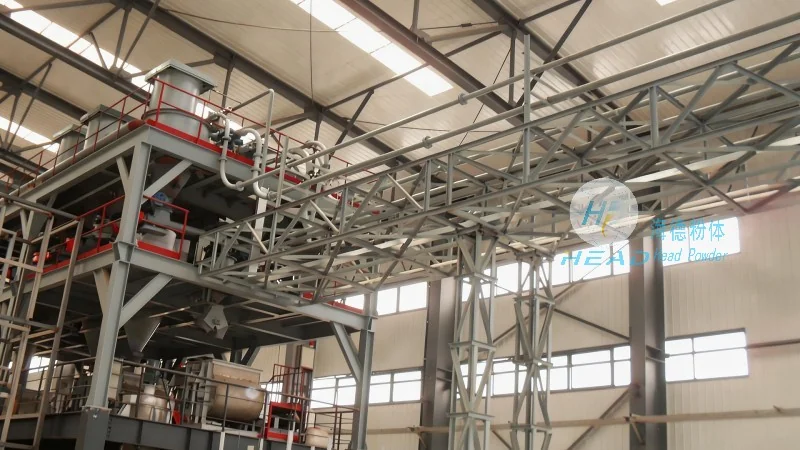
Hydraulic conveying is a less common but effective method for transporting magnesium oxide powder, especially in applications where other systems are not suitable. This method uses a liquid, typically water or a slurry, to carry the powder through a pipeline. The powder is mixed with the liquid to form a slurry, which is then pumped through the system. Hydraulic conveying is particularly useful for handling very fine or cohesive powders, as the liquid helps to prevent caking and blockages. The system includes a pump, a pipeline, and a settling tank or filter to separate the powder from the liquid. The choice of liquid and the concentration of the slurry can be adjusted to optimize the conveying efficiency. For magnesium oxide powder, which can be hygroscopic, hydraulic conveying may help to control moisture content and prevent clumping. However, this method requires additional equipment for slurry preparation and separation, which can increase the overall cost and complexity of the system. The main advantage of hydraulic conveying is its ability to handle high volumes of material over long distances with minimal pressure loss. It is often used in mining and mineral processing industries where large quantities of powder need to be transported from a mine to a processing plant. Regular maintenance of the pump and the filtration system is essential to ensure the system operates smoothly and to prevent equipment damage.
6. Vibrating Conveyors
Vibrating conveyors are another option for transporting magnesium oxide powder, especially when the powder needs to be moved over short distances or when the material is sticky or cohesive. These systems use vibration to move the powder along a trough or conveyor belt. The vibration is typically generated by an electric motor with an unbalanced weight, which causes the conveyor to oscillate. The frequency and amplitude of the vibration can be adjusted to control the flow rate and prevent material buildup. Vibrating conveyors are particularly effective for handling fine powders that tend to clog other types of conveyors. The design of the conveyor, including the angle of the trough and the material of the surface, is important to ensure proper flow and to prevent sticking. For example, a smooth, non-stick surface may be used for magnesium oxide powder to reduce friction and improve movement. The advantage of vibrating conveyors is their ability to handle a wide range of materials, including those that are difficult to transport with other methods. They are also relatively simple to install and maintain, making them a cost-effective solution for many industrial applications. However, they may not be as efficient for very large volumes of material, as the vibration can cause some material to fall off the conveyor or to be unevenly distributed. Regular cleaning of the trough and the vibration mechanism is necessary to prevent material accumulation and to ensure consistent performance.