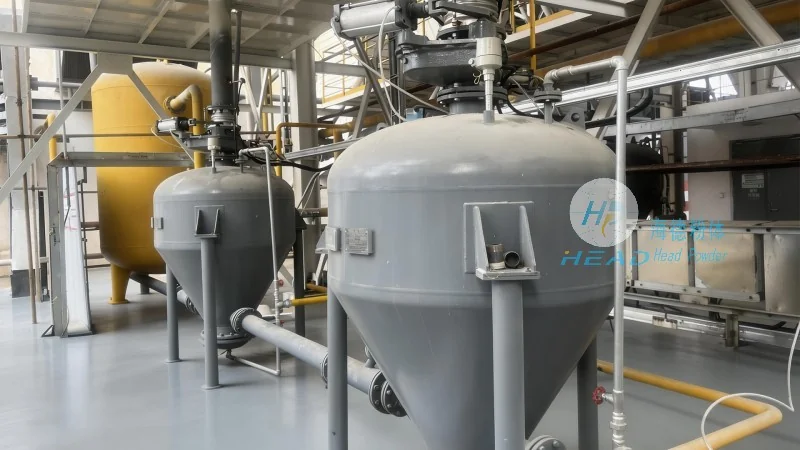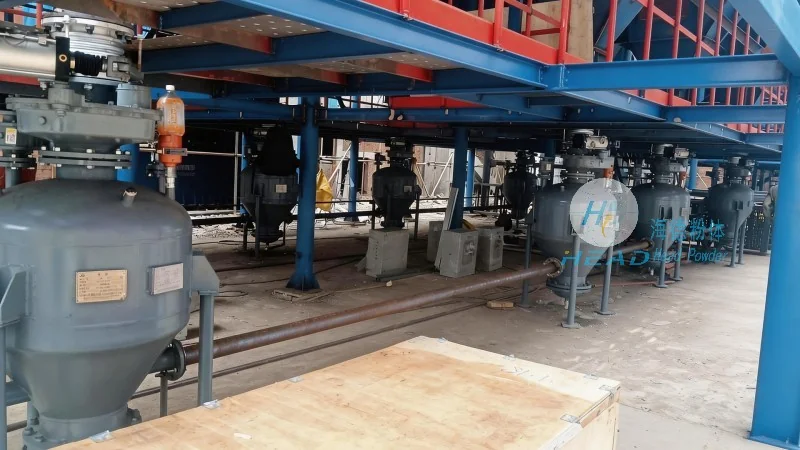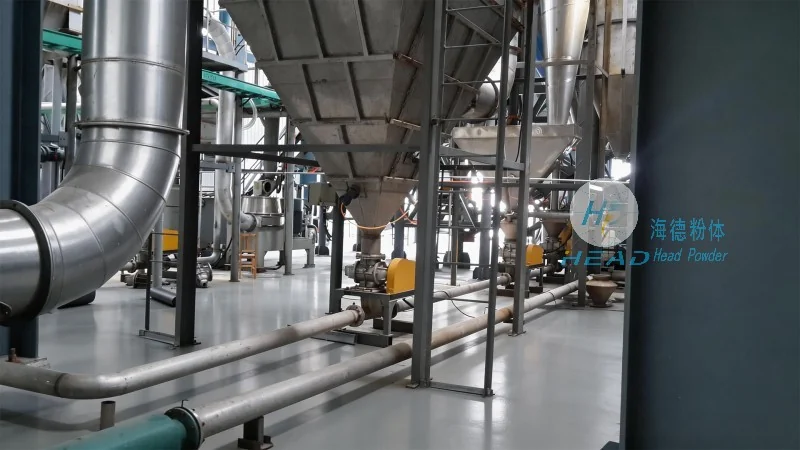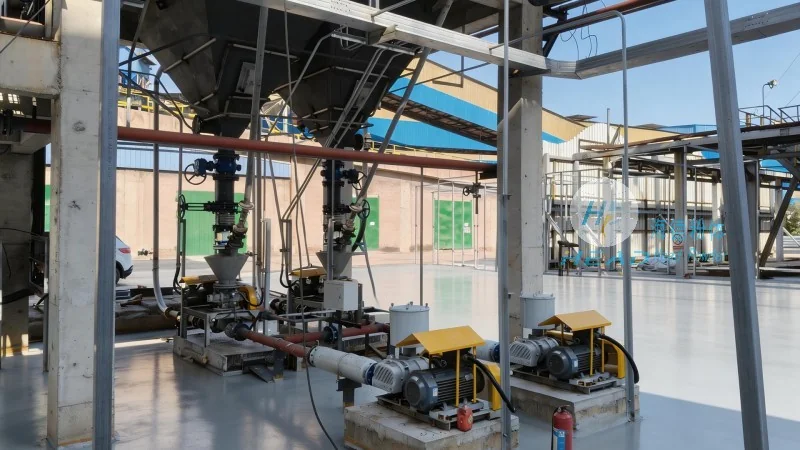

Coal slag, a byproduct of coal combustion in power plants, industrial boilers, and gasification processes, presents unique handling challenges due to its abrasive nature, high bulk density, and variable particle size distribution. Traditional mechanical conveying systems—such as belt conveyors, bucket elevators, and screw conveyors—often suffer from rapid wear, high maintenance costs, dust emissions, and material degradation. Pneumatic conveying offers a closed-loop, low-dust, and highly flexible alternative that has become the preferred method for transporting coal slag in modern industrial operations. This article provides a comprehensive overview of pneumatic conveying technologies specifically tailored for coal slag, covering system types, design parameters, material characteristics, operational considerations, and emerging trends through 2026. Whether you are retrofitting an existing plant or designing a new facility, understanding the fundamentals of pneumatic conveying can dramatically improve system reliability, reduce total cost of ownership, and enhance workplace safety. The global coal slag production continues to rise, driven by sustained coal-fired power generation in regions such as Asia, Eastern Europe, and parts of North America. According to the World Coal Association, global coal combustion residues exceed one billion tonnes annually, with slag representing roughly 15–20% of that volume. Efficient conveying is not merely a logistical concern—it directly impacts plant profitability, environmental compliance, and labor safety. Pneumatic systems excel in these areas by enabling fully enclosed material transport, precise flow control, and seamless integration with upstream and downstream processes. As environmental regulations tighten and carbon capture technologies evolve, the demand for reliable, low-emission conveying solutions will only intensify. This article serves as a practical guide for engineers, plant managers, and procurement professionals seeking to evaluate pneumatic conveying for coal slag applications.
Pneumatic conveying uses air or another gas to move bulk solid materials through a pipeline via differential pressure. For coal slag, two primary system configurations are employed: dilute phase and dense phase. Dilute phase conveying suspends particles in a high-velocity airstream (typically 20–40 m/s), keeping material in a continuous, dispersed flow. This method is suitable for shorter distances, lower capacities, and materials with low to moderate abrasiveness. However, for coal slag—which often contains sharp, angular particles with a Mohs hardness of 5–7—dilute phase can cause significant pipeline erosion, especially at bends and elbows. Dense phase conveying, on the other hand, uses higher material-to-air ratios (typically 10–30 kg material per kg air) and lower velocities (2–10 m/s), moving the slag in slugs or plugs along the bottom of the pipe. This reduces both wear and energy consumption, making dense phase the preferred choice for abrasive coal slag over longer distances. Within dense phase, two sub-types exist: plug flow and external air injection systems. Plug flow relies on pressure pulses to push cohesive slugs; coal slag, however, tends to be free-flowing with low cohesion, so external air injection systems—which introduce compressed air at intervals along the pipeline—provide more consistent plug formation and better control. headpowder, a leading provider of pneumatic conveying solutions, has engineered custom dense phase systems for coal slag that achieve conveying distances exceeding 500 meters with minimal pipe wear and energy usage. (咨询热线:156-6277-7102)
A reliable coal slag pneumatic conveying system comprises several critical components: a feeding device (rotary airlock, screw feeder, or pressure vessel), a conveying pipeline with appropriate bends and wear-resistant liners, a filtration unit (baghouse or cartridge filter), and a control system that monitors pressure, flow, and material level. For abrasive coal slag, material selection is paramount. Pipelines are typically constructed from heavy-duty steel with ceramic or basalt-lined elbows to withstand erosion. The feeding device must prevent air leakage and maintain consistent material introduction; rotary airlocks with hardened tips perform well for coarse slag, while pressure vessels are preferred for high-pressure dense phase systems. Air supply is equally important—positive displacement blowers or screw compressors deliver the necessary pressure and flow. Filter receivers must handle heavy dust loads and meet stringent emission standards; reverse-pulse baghouses with PTFE membranes offer excellent filtration efficiency down to 0.1 mg/Nm³. The control system should include real-time velocity monitoring, pressure transmitters at key points, and automated startup/shutdown sequences to prevent plugging. When designing a system, engineers must account for the slag’s moisture content, particle size distribution, bulk density, and angle of repose. Coal slag from different sources can vary significantly—for example, bottom slag from wet-bottom boilers has higher moisture and larger particle sizes than slag from dry-bottom units. Field sampling and laboratory flowability tests are essential before finalizing design parameters.
The shift from mechanical to pneumatic conveying for coal slag is driven by multiple quantifiable advantages. First, dust control is dramatically improved. Mechanical systems often require extensive enclosures, skirt boards, and dust collection points that are prone to leakage. Pneumatic systems operate in a fully sealed pipeline, eliminating fugitive dust emissions and reducing respiratory hazards for workers. This directly supports compliance with OSHA PELs and EPA NESHAP standards. Second, pneumatic conveying enables greater routing flexibility. Pipelines can be run vertically, horizontally, or around existing equipment with minimal footprint, whereas belt conveyors need long straight sections and large support structures. In a typical retrofit scenario, a pneumatic system can reduce the conveying layout footprint by up to 60% compared to an equivalent belt conveyor. Third, maintenance costs are lower over the system life cycle. While initial capital investment for a dense phase pneumatic system may be 20–30% higher than a mechanical conveyor, the total cost of ownership (TCO) often favors pneumatic when considering wear parts, downtime, and labor. For example, belt conveyors require frequent idler replacement, belt splicing, and pulley maintenance—especially with abrasive slag. In contrast, a well-designed dense phase pipeline with ceramic liners can operate for 15,000–20,000 hours before needing elbow replacement. Fourth, material quality remains intact. Pneumatic conveying with low velocity reduces particle degradation, preserving the slag’s size distribution for downstream applications such as cement blending, road base, or abrasive blasting. Finally, automation and remote monitoring are straightforward with pneumatic systems, enabling integration into plant-wide digital control architectures—a key requirement for modern smart facilities.
Selecting the correct pneumatic conveying system for coal slag requires careful evaluation of several technical parameters. The conveying distance and elevation change determine the required pressure rating. For distances under 200 meters with low lift, a low-pressure dense phase system (1–2 bar) may suffice. Longer distances or high lifts necessitate high-pressure systems (up to 6 bar). The slag’s particle size distribution heavily influences the pick-up velocity required to prevent settling. A typical rule of thumb for coal slag: minimum conveying velocity in dense phase should be 5–8 m/s, with dilute phase requiring 18–25 m/s. Air-to-material ratio for dense phase ranges from 5:1 to 15:1 by mass, depending on slag flowability. Bulk density of coal slag typically spans 1,000–1,600 kg/m³, with some granulated slag reaching 1,800 kg/m³. The system must be sized to handle the peak throughput without exceeding the blower’s capacity. Another critical factor is the slag’s angle of internal friction, which affects plug stability. Using a Jenike shear cell test, engineers can determine the cohesive strength and optimize pipe diameter and air injection spacing. Industry standards such as ISO 21283 (pneumatic conveying test methods) and ANSI/CEMA guidelines provide frameworks for system design. A practical selection checklist includes: (1) confirm material properties through sampling, (2) calculate equivalent conveying length, (3) select pipeline diameter (typically 100–250 mm for medium-capacity systems), (4) determine blower type and power (e.g., 50–200 kW depending on throughput), (5) design bend geometry with wear protection, and (6) specify filter receiver size based on air flow and dust loading. Many plants overlook the importance of proper air drying—moisture in compressed air can cause slag caking and blockages. Integrating a refrigerated air dryer with dew point control below 3°C is recommended.
The global coal slag handling market is evolving rapidly, influenced by regulatory shifts, technological innovation, and circular economy initiatives. By 2026, more stringent emission standards in the European Union (the revised Industrial Emissions Directive) and the United States (EPA’s updated NESHAP for coal-fired utilities) will accelerate the replacement of open mechanical conveyors with enclosed pneumatic systems. Simultaneously, the growing use of coal slag in construction materials—as a substitute for natural sand in concrete, as a raw material for cement clinker, and as an aggregate in road base—demands reliable conveying with minimal contamination. The trend toward higher-capacity plants (1,000+ MW units) also favors pneumatic conveying, as these facilities generate slag volumes exceeding 200 tonnes per day that must be transported continuously over long distances. Digitalization and Industry 4.0 are penetrating the pneumatic conveying space: smart sensors that monitor pipe wall thickness via ultrasonic technology, AI-driven predictive maintenance algorithms, and cloud-based performance dashboards are becoming standard offerings from leading suppliers. Energy efficiency remains a top priority. New dense phase systems with variable-speed drives and optimized air injection can reduce specific energy consumption to below 5 kWh per tonne conveyed, compared to 8–10 kWh for older dilute phase systems. Another emerging trend is the use of hybrid conveying solutions that combine pneumatic and mechanical elements for extreme conditions—for example, a short belt feeder feeding into a dense phase pipeline for final distribution to silos. headpowder has been at the forefront of these innovations, deploying systems that feature adaptive control logic and wear-monitoring IoT modules, resulting in 30% longer component life and 15% lower energy use compared to conventional designs.

Even the best-designed pneumatic conveying system can underperform if operation and maintenance protocols are neglected. One common pitfall is improper startup sequencing—starting the air flow before feeding material can lead to empty pipe surges, while feeding material before airflow risks plugging. A safe sequence: start air supply, allow flow to stabilize, then begin feeding material at a gradual rate. During operation, monitoring the pressure differential across the pipeline provides the best diagnostic signal. A slow rise in pressure indicates buildup or wear restriction; a sudden drop suggests a leak or blow-through. Regular inspection of wear liners at the first few elbows—where the highest wear occurs—can prevent catastrophic pipe failures. For coal slag, it is advisable to replace elbow liners at 60–70% of their expected life, rather than waiting for breakthrough. Another best practice is to maintain stable slag moisture content. If slag is too wet (above 8–10% moisture by weight), it becomes cohesive and prone to bridging in hoppers and feeding devices. Pre-drying or blending with dry material can mitigate this. Conversely, very dry slag (below 0.5% moisture) generates excessive static electricity, which can cause filter blinding and even spark hazards. Using conductive pipe grounding and anti-static filter bags is recommended. Finally, training operators on basic pneumatic principles—such as the relationship between velocity, pressure, and material concentration—empowers them to make informed adjustments. A well-documented standard operating procedure (SOP) should include startup/shutdown steps, alarm response, filter cleaning cycles, and spare parts inventory.

To illustrate the practical benefits, consider a 600 MW coal-fired power plant in the Midwest United States that converted from a series of belt conveyors to a dense phase pneumatic system supplied by headpowder. The original mechanical system required six transfer points, numerous dust collectors, and daily cleaning of spillage. Conveyor belt replacement occurred every 18 months due to slag abrasion, costing over $120,000 per replacement plus two weeks of downtime. The new pneumatic system consists of a single 200 mm diameter pipeline running 350 meters from the slag collection hopper to a 1,500-tonne storage silo. Dense phase operation at 6 m/s velocity and 12:1 air-to-material ratio moves 40 tonnes per hour of bottom slag with 5% moisture. After two years of operation, the pipeline elbows with ceramic liners showed less than 2 mm of wear. Annual maintenance cost dropped by 65%, and unscheduled downtime due to conveying issues was reduced to zero. The enclosed system also eliminated airborne dust complaints from nearby communities, helping the plant achieve EPA compliance without additional baghouse retrofits. Total project payback was under 3 years, driven by reduced maintenance labor, lower energy consumption (the new blower uses 110 kW vs. the old system’s combined 180 kW), and increased plant availability. This real-world example demonstrates that careful engineering of a dense phase system tailored to coal slag properties delivers measurable operational and financial returns.

Pneumatic conveying has matured into a highly reliable, efficient, and environmentally sound solution for handling coal slag across a wide range of industrial settings. The technology’s inherent flexibility in routing, low dust emissions, reduced maintenance burden, and compatibility with automation make it the clear choice for new installations and major retrofits alike. As the industry moves toward 2026, the convergence of stricter environmental regulations, rising energy costs, and the need for higher process safety will only strengthen the case for pneumatic systems. For plant operators evaluating a switch or upgrade, the following steps are recommended: first, invest in comprehensive material characterization—without accurate data on particle size, moisture, abrasiveness, and flowability, any design is guesswork. Second, partner with an experienced systems integrator who offers not only equipment but also process engineering, installation support, and after-sales service. Third, consider total cost of ownership over a 10-year horizon, not just upfront capital. Fourth, incorporate smart monitoring from the outset to enable predictive maintenance and continuous optimization. Finally, don’t overlook the importance of proper operator training and documentation. By following these guidelines, companies can ensure that their coal slag conveying operation remains safe, efficient, and compliant for years to come. headpowder continues to advance the state of the art with proprietary wear-resistant materials, adaptive control algorithms, and modular system designs that reduce installation time. The company’s team of engineers brings decades of hands-on experience with abrasive materials, ensuring that every system is not a generic solution but a tailored response to the client’s unique operating conditions.
Shandong headpowder Engineering Co., Ltd.
156-6277-7102(Manager Zhang)
0531-83386006
Jinan City, Shandong Province, China 
服务热线
微信咨询
回到顶部