

Analysis of Synthetic Fiber Pneumatic Conveying Systems
For industries dealing with synthetic fibers, efficient material handling is crucial to maintaining production efficiency and product quality. Pneumatic conveying systems offer a reliable solution for transporting these materials, and understanding their design and application is essential for optimizing operations. This article provides an in-depth analysis of synthetic fiber pneumatic conveying systems, focusing on key components, operational principles, and practical considerations for implementation.
Understanding Pneumatic Conveying Systems for Synthetic Fibers
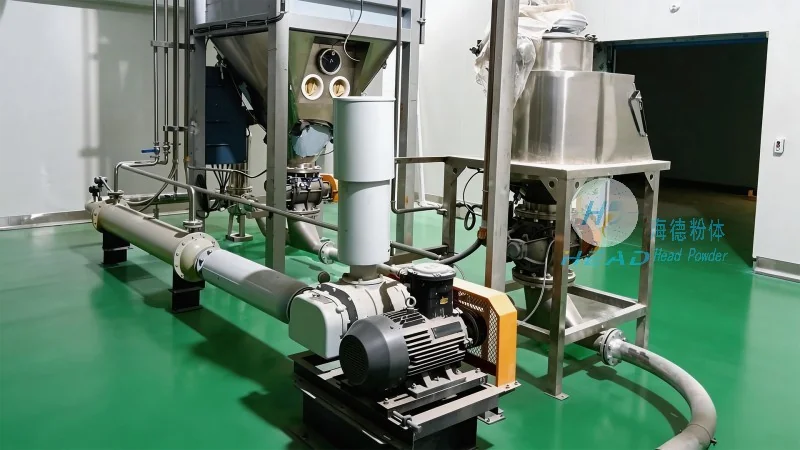
Pneumatic conveying systems use air or other gases to transport bulk materials through a pipeline network. In the context of synthetic fibers, these systems are designed to handle materials such as polyester, nylon, acrylic, and other synthetic polymers. The primary advantage of pneumatic conveying is its ability to transport materials without direct contact with mechanical components, which helps preserve the integrity of the fibers and reduces the risk of contamination or damage. This method is particularly suitable for materials that are lightweight, dusty, or prone to static electricity, as it minimizes the need for manual handling and reduces labor costs.
Key Components of Synthetic Fiber Pneumatic Conveying Systems
The effectiveness of a pneumatic conveying system for synthetic fibers depends on several critical components. These include the air compressor, which generates the necessary pressure to move the material; the hopper or feeder, which stores and feeds the material into the system; the pipeline network, which transports the material from the source to the destination; and the receiver or discharge unit, which collects the material at the end of the process. Additionally, accessories such as filters, cyclones, and silencers are often integrated to ensure the system operates efficiently and safely. For example, cyclones are used to separate the material from the air stream, while filters prevent dust from escaping into the environment. Silencers reduce noise levels, making the system more suitable for industrial environments.
Operational Principles and Flow Types
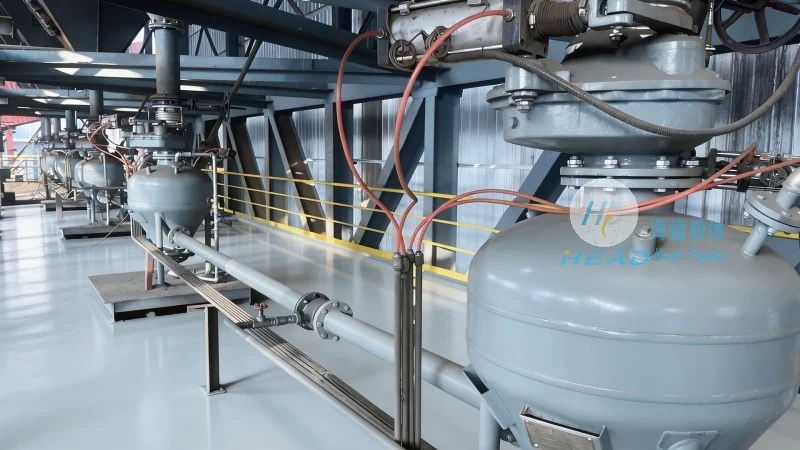
There are two main types of pneumatic conveying systems: pressure and vacuum. Pressure systems use compressed air to push the material through the pipeline, while vacuum systems use a vacuum to pull the material. For synthetic fibers, pressure systems are more commonly used due to their ability to handle higher material loads and longer distances. The choice of flow type depends on factors such as the material's properties, the distance to be transported, and the desired system efficiency. In pressure systems, the air compressor is typically located at the discharge end of the pipeline, while in vacuum systems, it is located at the inlet. The system's design must consider the pressure drop along the pipeline, which affects the material's velocity and the overall system performance.
Advantages and Applications in Synthetic Fiber Processing
Pneumatic conveying systems offer several advantages for synthetic fiber processing. These include high material handling capacity, which allows for the efficient transport of large quantities of fibers; reduced material degradation, as the system minimizes mechanical contact and friction; and improved safety, as it eliminates the need for manual handling of dusty or hazardous materials. These systems are widely used in various applications, including the transportation of raw materials from storage to processing units, the transfer of finished products from production lines to packaging areas, and the recycling of waste fibers. For instance, in a textile manufacturing plant, a pneumatic conveying system can be used to move polyester fibers from a storage silo to a spinning machine, ensuring a continuous and smooth production process.
Considerations for System Design and Installation
Designing an effective pneumatic conveying system for synthetic fibers requires careful consideration of several factors. The first step is to assess the material's properties, such as its density, particle size, and flow characteristics. This information helps determine the appropriate system type and components. The second step is to calculate the required air volume and pressure, which depends on the material's flow rate and the pipeline length. The third step is to select the appropriate pipeline diameter and material, which affects the system's efficiency and durability. For example, larger pipeline diameters are needed for higher material loads, while smaller diameters are suitable for shorter distances. The system must also be designed to handle the potential for material buildup or blockages, which can occur due to static electricity or material agglomeration. Regular maintenance, such as cleaning filters and checking for leaks, is essential to ensure the system operates efficiently and reliably.
Case Study: Implementation by Shandong HeadPowder Engineering Co., Ltd.
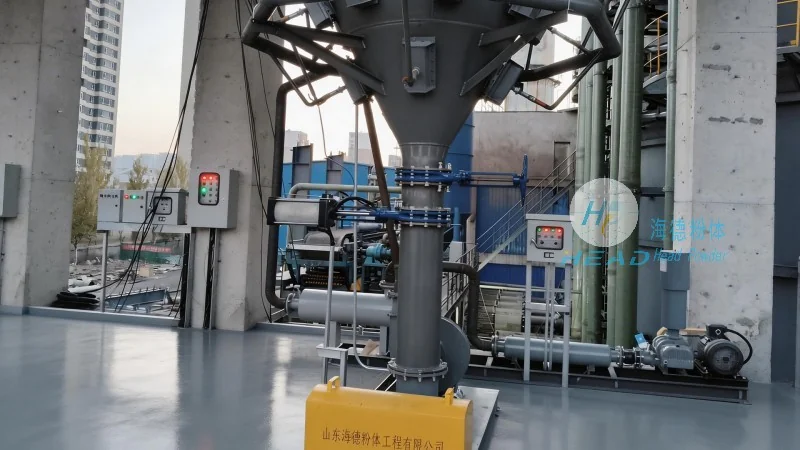
Shandong HeadPowder Engineering Co., Ltd., a leading provider of material handling solutions, has successfully implemented synthetic fiber pneumatic conveying systems for various clients. One notable project involved the installation of a pressure pneumatic conveying system for a textile manufacturer in China. The system was designed to transport polyester fibers from a storage silo to a spinning machine, covering a distance of approximately 200 meters. The system was equipped with a high-efficiency air compressor, a hopper feeder, and a cyclone separator. The installation process involved careful planning and coordination to ensure minimal disruption to the client's production schedule. The system has been in operation for over two years and has demonstrated excellent performance, with a material handling capacity of 10 tons per hour and a system efficiency of over 90%. The client has reported significant improvements in production efficiency and reduced labor costs, as the system has eliminated the need for manual handling of fibers and reduced the risk of material contamination.
Conclusion and Future Trends
Pneumatic conveying systems are a vital component of modern synthetic fiber processing, offering efficient and reliable material handling solutions. The systems are designed to meet the specific needs of the industry, with components that are tailored to the properties of synthetic fibers. As technology advances, there is a growing emphasis on improving system efficiency and reducing energy consumption. Future trends include the use of advanced control systems, which allow for real-time monitoring and optimization of the system's performance. Additionally, there is a focus on developing more sustainable materials and processes, which may involve the integration of renewable energy sources or the use of recycled fibers. Despite these trends, the fundamental principles of pneumatic conveying remain relevant, and the systems will continue to play a crucial role in the synthetic fiber industry.