

Design Considerations for Bone Powder Pneumatic Conveying Systems
For industrial applications involving bone powder handling, the design of a pneumatic conveying system is critical to ensure efficiency, reliability, and safety. This article outlines key considerations for the design of a bone powder pneumatic conveying system, with a focus on practical implementation and operational performance.
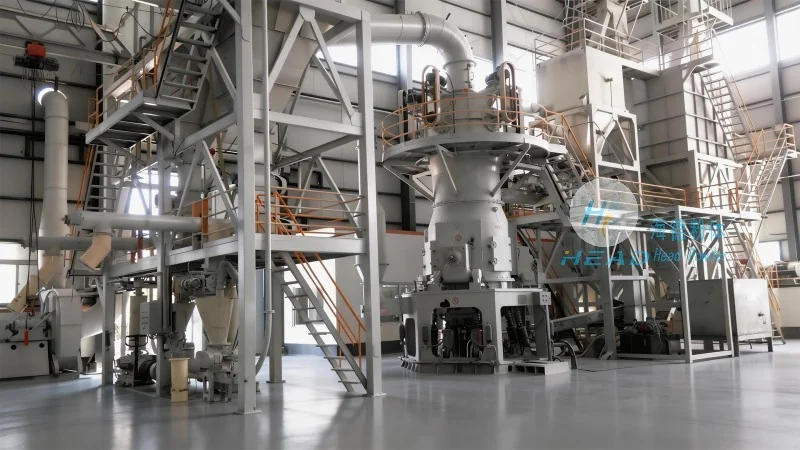
About HeadPowder Engineering
HeadPowder, formally known as Shandong HeadPowder Engineering Co., Ltd., is a leading provider of specialized engineering solutions for material handling systems. With a strong presence in China, particularly in Shandong, the company has built a reputation for delivering high-quality, customized pneumatic conveying systems tailored to the unique demands of the food processing, pharmaceutical, and related industries. Our expertise lies in optimizing material flow, ensuring product integrity, and enhancing overall system efficiency.
System Type Selection: Dilute Phase vs. Dense Phase
The first critical decision in designing a bone powder pneumatic conveying system is choosing between dilute phase and dense phase conveying. Dilute phase systems use low-pressure air to transport material in a suspended state, making them suitable for long-distance, high-volume applications. Dense phase systems, on the other hand, employ higher pressure to move material in a plug flow, which is ideal for sensitive products that require minimal agitation and reduced risk of degradation. For bone powder, which can be prone to caking or degradation under high shear, a dense phase system may be preferable to preserve product quality and prevent blockages.
Pipeline Design and Sizing
Proper pipeline design is essential for maintaining consistent air velocity and preventing material buildup. The diameter of the pipeline must be carefully selected to balance air flow and material transport. Insufficient diameter can lead to excessive pressure drops and reduced conveying capacity, while overly large diameters increase system costs and energy consumption. For bone powder, which has a relatively high bulk density and can be abrasive, pipelines should be made of materials resistant to corrosion and wear, such as stainless steel or specialized plastic composites. Additionally, the use of bends and elbows should be minimized to reduce friction losses and maintain the integrity of the material.
Air Source and Pressure Considerations
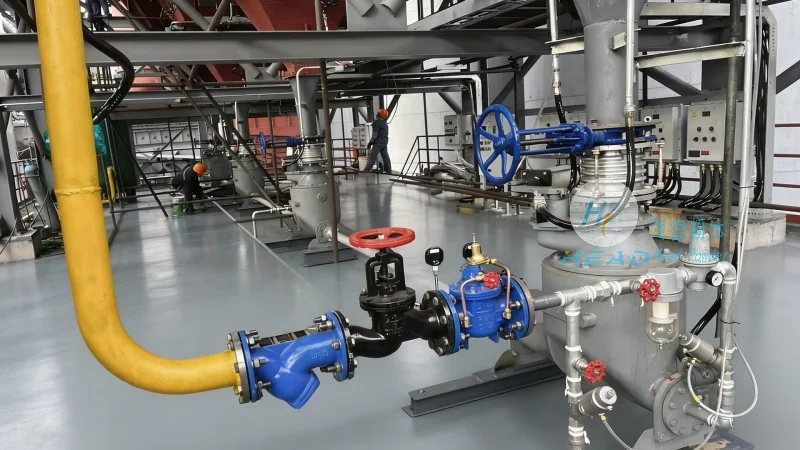
The air source is a key component of any pneumatic conveying system, and its selection directly impacts system performance and cost. Compressed air systems are typically used, with pressure levels ranging from 4 to 10 bar depending on the system type and material characteristics. For dilute phase systems, lower pressures (around 4-6 bar) are common, while dense phase systems may require higher pressures (up to 10 bar or more). The air source must be equipped with proper filtration to remove moisture and particulates, as moisture can cause bone powder to clump and degrade, leading to system blockages and reduced efficiency. Regular maintenance of the air compressor and filtration system is essential to ensure consistent air quality and prevent operational issues.
Equipment Selection: Conveyors, Cyclones, and Filters
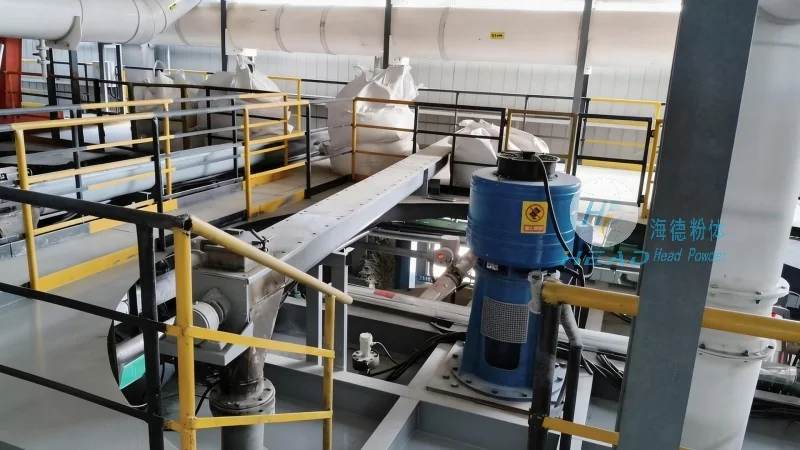
The choice of conveying equipment, such as rotary valves, feeders, and cyclones, is critical to the overall performance of the system. Rotary valves are commonly used as feeders to control the flow of bone powder into the system, and their design must be suitable for handling abrasive materials to prevent wear and tear. Cyclones are used for material separation and collection, and their size and configuration must be optimized to handle the specific particle size and density of bone powder. Filters are essential for capturing fine particles and preventing them from entering the air system, which can cause equipment damage and reduce air quality. The selection of these components should be based on the material's properties, such as particle size distribution, moisture content, and abrasiveness, to ensure optimal performance and longevity.
Material Handling and Product Integrity
Preserving the quality of bone powder during transportation is a primary concern. High shear forces or excessive air velocity can cause the powder to degrade, leading to changes in color, texture, or nutritional value. To mitigate this, the system design should include features that minimize agitation, such as using gentle air flow and avoiding sharp bends. Additionally, the use of temperature-controlled air or cooling systems can help maintain the product's temperature and prevent spoilage. Regular cleaning and maintenance of the system components are also crucial to prevent contamination and ensure product purity.
System Integration and Control
Integrating the pneumatic conveying system with other processing equipment is essential for seamless operation. The system should be equipped with control panels and sensors to monitor key parameters, such as pressure, flow rate, and material level. Automated controls can help optimize system performance, reduce energy consumption, and prevent operational errors. For example, a pressure sensor can detect blockages in the pipeline and trigger an alarm or automatic shutdown to prevent damage. The integration of the system with the overall production process should be carefully planned to ensure smooth material flow and minimize downtime.
Installation and Maintenance
The installation of a bone powder pneumatic conveying system requires careful planning and execution to ensure proper alignment and functionality. The system should be installed with proper support and bracing to prevent vibration and stress on components. Regular maintenance is critical to maintaining system performance and preventing failures. This includes inspecting and cleaning components, replacing worn parts, and checking for leaks or pressure drops. A well-maintained system will have a longer lifespan, lower operational costs, and higher reliability. HeadPowder Engineering provides comprehensive maintenance services to ensure that their systems operate at peak performance throughout their service life.