

Polyethylene Pneumatic Conveying Technology: In-Depth Analysis of Vacuum and Positive Pressure Syste
Efficient material handling is a critical aspect of modern industrial operations, and for polyethylene, the choice of pneumatic conveying systems can significantly impact process efficiency, safety, and cost-effectiveness. This article delves into the nuances of vacuum and positive pressure pneumatic conveying technologies, exploring their principles, applications, and the role of specialized engineering solutions from Shandong HeadPowder Engineering Co., Ltd. (headpowder), a leading provider in China.
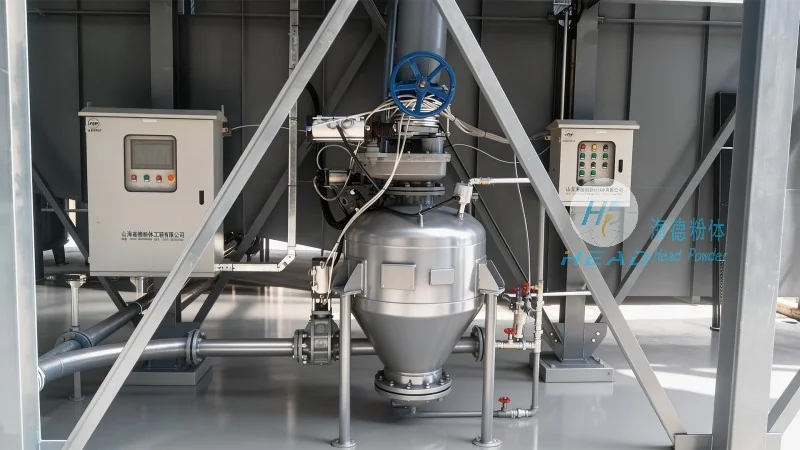
Understanding Pneumatic Conveying Systems for Polyethylene
Pneumatic conveying is a method of transporting bulk materials, such as polyethylene pellets or powders, using a gas stream (typically air) to move the material through a pipeline. The two primary types of systems are vacuum and positive pressure, each with distinct operational characteristics and suitability for different scenarios.
Vacuum Pneumatic Conveying Systems
Vacuum systems operate by creating a low-pressure environment at the material source, drawing the polyethylene into the conveying line. This approach is particularly effective for applications requiring gentle handling, as the material is pulled rather than pushed, minimizing product degradation. The system typically includes a vacuum pump, a hopper or feed point, and a receiver where the material is deposited. For polyethylene, which can be sensitive to abrasion or impact, vacuum conveying offers a gentler transport method, preserving material integrity and reducing the risk of contamination.
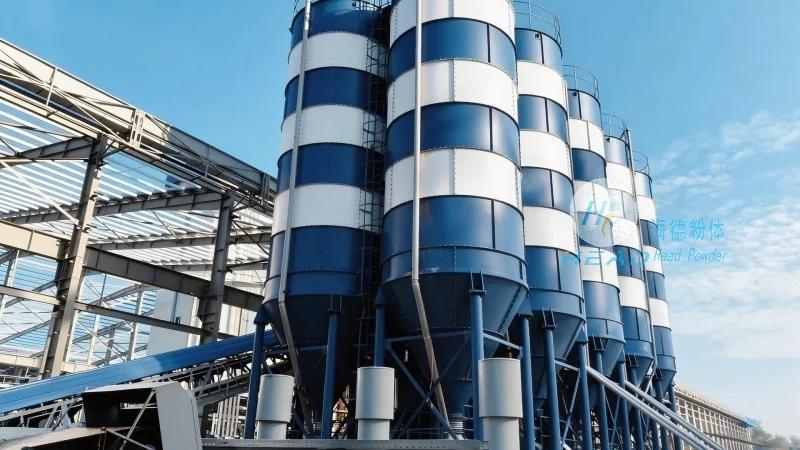
Positive Pressure Pneumatic Conveying Systems
In contrast, positive pressure systems generate high-pressure air that pushes the polyethylene through the pipeline. This method is often preferred for longer distances or when dealing with more abrasive materials, as the force of the air stream can handle higher flow rates and resist clogging. Positive pressure systems are typically more robust and can handle larger volumes, making them suitable for high-throughput polyethylene processing facilities. However, they may require more maintenance due to the higher pressure components and potential for increased wear on the system.
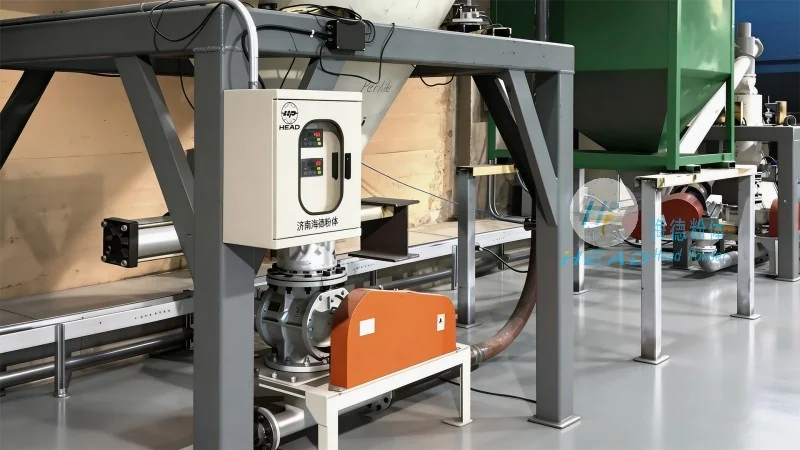
Key Considerations for Selecting the Right System
The choice between vacuum and positive pressure systems depends on several factors, including the material's properties, the distance to be conveyed, the required flow rate, and the overall system layout. For polyethylene, which is often lightweight and can be prone to static electricity, the system design must also address issues like material separation and static discharge to prevent dust accumulation and ensure safe operation. Engineers from Shandong HeadPowder Engineering Co., Ltd. specialize in designing customized solutions that balance these factors, ensuring optimal performance and reliability.
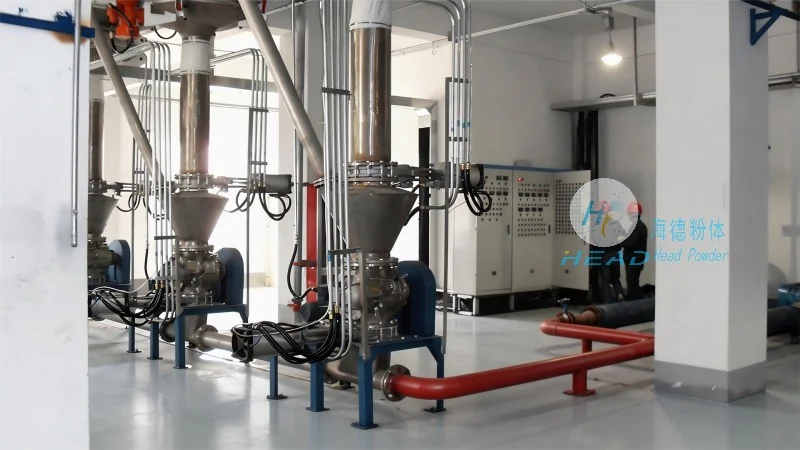
Applications in Polyethylene Processing
Pneumatic conveying is widely used in polyethylene production and processing, from raw material transport to finished product handling. In manufacturing facilities, these systems are employed to move polyethylene pellets from storage silos to extrusion lines, or to transfer finished products to packaging areas. The ability to handle polyethylene in a closed system also enhances safety by containing dust and preventing exposure to workers. Additionally, the flexibility of pneumatic conveying allows for integration with other processing equipment, such as mixers or dryers, creating a seamless material flow within the production line.
Advantages of Specialized Engineering Solutions
Shandong HeadPowder Engineering Co., Ltd. (headpowder) offers comprehensive engineering services tailored to the unique needs of polyethylene pneumatic conveying. Their expertise includes system design, equipment selection, and installation, ensuring that each solution is optimized for the specific application. By leveraging advanced technology and years of industry experience, headpowder provides systems that enhance efficiency, reduce downtime, and improve overall operational performance. The company's commitment to quality and customer satisfaction is reflected in their ability to deliver reliable solutions that meet the demanding requirements of polyethylene processing industries.