

Aluminum Sulfate Pneumatic Conveying Technology: In-Depth Analysis of Negative Pressure and Positive
HeadPowder, a leading provider in the field of material handling solutions, specializes in advanced pneumatic conveying systems tailored for industrial applications. This article delves into the technical aspects of aluminum sulfate pneumatic conveying, focusing on both negative pressure and positive pressure systems, and explores their practical applications in various industrial settings.
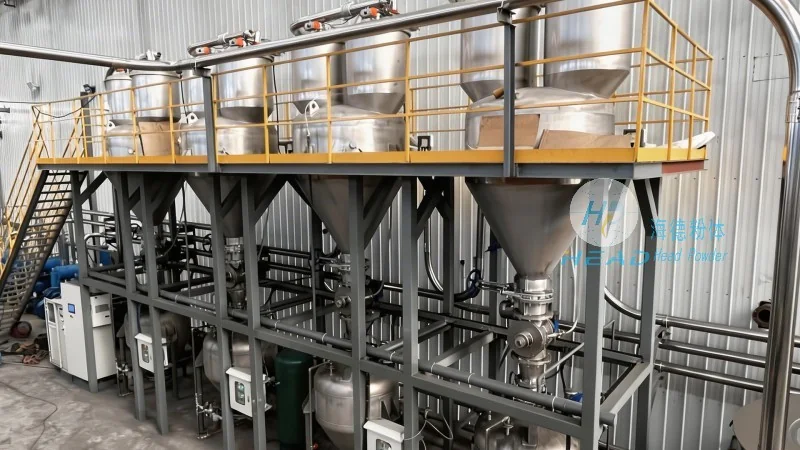
Introduction to Aluminum Sulfate and Pneumatic Conveying
Aluminum sulfate, commonly known as alum, is a widely used chemical in water treatment, paper manufacturing, and other industrial processes. Efficient and reliable material transport is crucial for maintaining operational efficiency in these industries. Pneumatic conveying offers a flexible and effective method for transporting aluminum sulfate, with negative and positive pressure systems being the two primary approaches. Understanding the differences and advantages of each system is essential for selecting the most suitable solution for specific applications.
Understanding Negative Pressure (Vacuum) Pneumatic Conveying
Negative pressure, or vacuum, pneumatic conveying systems operate by creating a low-pressure environment at the material source, drawing the material into the conveying line using a vacuum pump. This method is particularly effective for handling fine powders and granules, as it minimizes material degradation and ensures a gentle handling process. The system typically consists of a vacuum source, a material feed hopper, and a conveying line that transports the material to the destination. HeadPowder's expertise in designing and implementing negative pressure systems ensures optimal performance, with considerations for material properties, system length, and environmental factors.
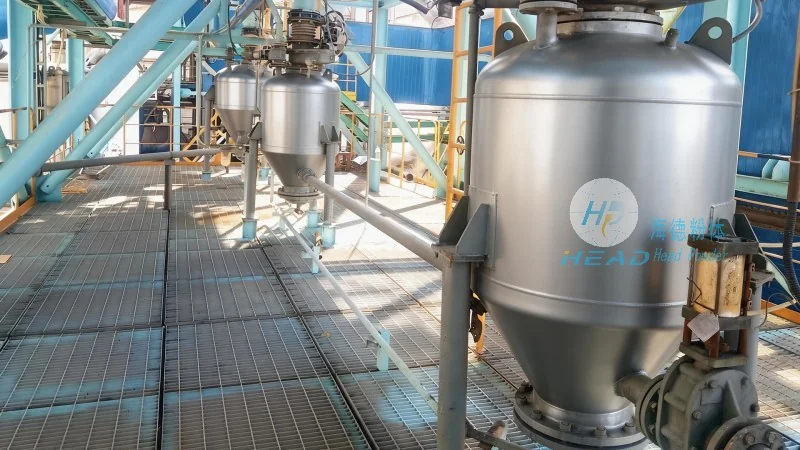
Advantages of Negative Pressure Systems
One of the key advantages of negative pressure systems is their ability to handle materials that are prone to dust generation or require a clean environment. The enclosed system prevents dust from escaping into the workplace, enhancing safety and compliance with environmental regulations. Additionally, negative pressure systems are well-suited for applications where the material needs to be transported over short to medium distances, as the vacuum pump can maintain sufficient pressure for effective transport. HeadPowder's engineering solutions for negative pressure conveying ensure that these systems are efficient, reliable, and tailored to the specific needs of aluminum sulfate handling.
Understanding Positive Pressure (Pressure) Pneumatic Conveying
Positive pressure systems, on the other hand, operate by forcing air or a carrier gas through the material, creating a high-pressure environment that pushes the material through the conveying line. This method is ideal for handling bulkier materials or those that require higher transport velocities. The system includes a pressure source, a material feed hopper, and a conveying line that transports the material to the destination. HeadPowder's expertise in positive pressure systems allows for the design of robust and efficient solutions, capable of handling a wide range of material types and transport distances.
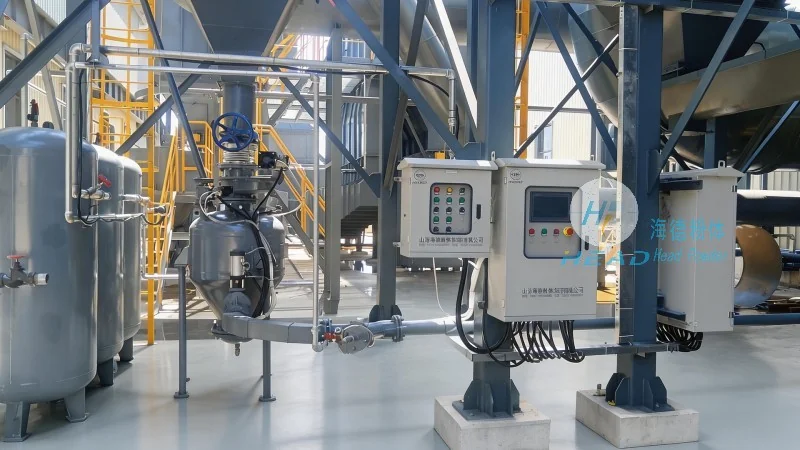
Advantages of Positive Pressure Systems
Positive pressure systems offer several advantages, including the ability to handle larger particles and bulkier materials that may not be suitable for negative pressure systems. The high-pressure environment ensures that the material is transported quickly and efficiently, reducing the overall time required for material handling. Additionally, positive pressure systems are less susceptible to clogging, as the high velocity of the air or carrier gas helps to keep the material moving smoothly through the conveying line. HeadPowder's engineering solutions for positive pressure conveying are designed to maximize efficiency and minimize downtime, ensuring consistent performance in industrial applications.
Applications of Aluminum Sulfate Pneumatic Conveying
The choice between negative and positive pressure systems for aluminum sulfate depends on the specific application requirements. For example, in water treatment facilities, negative pressure systems may be preferred to ensure a clean and dust-free environment, while in paper mills, positive pressure systems may be more suitable for handling bulkier materials. HeadPowder's expertise allows for the customization of pneumatic conveying systems to meet the unique needs of each application, ensuring optimal performance and reliability.
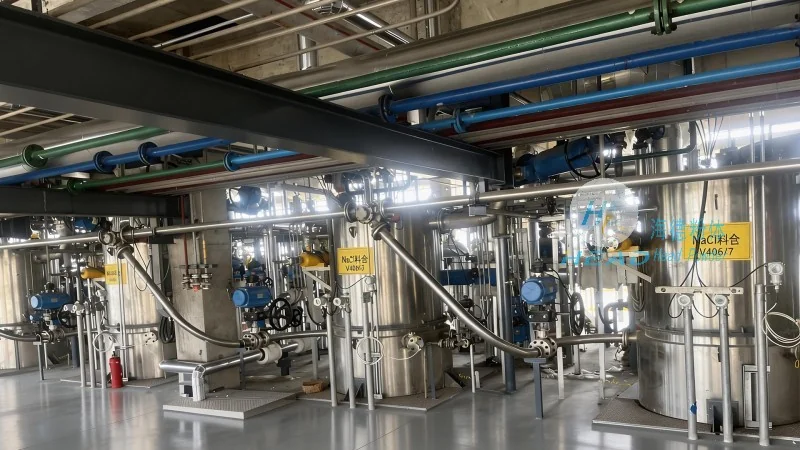
HeadPowder's Role in Aluminum Sulfate Pneumatic Conveying
As a leading provider of material handling solutions, HeadPowder, Shandong HeadPowder Engineering Co., Ltd., based in China, offers comprehensive services for the design, installation, and maintenance of aluminum sulfate pneumatic conveying systems. The company's team of experienced engineers and technicians works closely with clients to understand their specific requirements and develop tailored solutions. HeadPowder's commitment to quality and innovation ensures that their pneumatic conveying systems are reliable, efficient, and cost-effective, helping clients to improve their operational efficiency and reduce downtime.
Conclusion
In conclusion, the selection of the appropriate pneumatic conveying system for aluminum sulfate depends on various factors, including material properties, transport distance, and environmental considerations. Both negative and positive pressure systems offer unique advantages, and HeadPowder's expertise in designing and implementing these systems ensures that clients can choose the most suitable solution for their specific needs. By leveraging the company's technical knowledge and engineering capabilities, industrial facilities can enhance their material handling processes, improve efficiency, and maintain compliance with industry standards.