

What is Styrene Pneumatic Conveying? Classification and Applications of Pneumatic Conveying
Styrene, a critical monomer in the production of polystyrene and related polymers, demands efficient material handling solutions throughout its processing lifecycle. Pneumatic conveying has become a cornerstone technology for transporting styrene powders or granules within industrial environments, offering a clean, flexible, and often cost-effective alternative to traditional mechanical systems. This article delves into the fundamentals of styrene pneumatic conveying, explores the classification of such systems, and highlights practical applications that underscore its effectiveness in modern manufacturing.
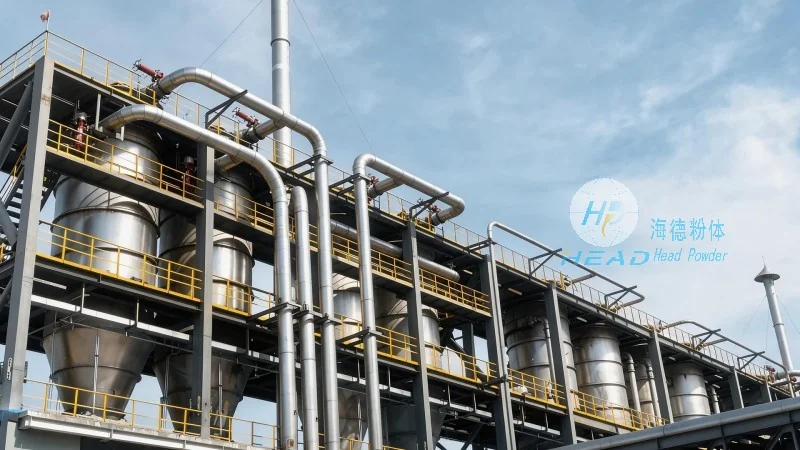
What is Pneumatic Conveying for Styrene?
Pneumatic conveying for styrene involves the use of compressed air or vacuum to move material through a pipeline. This method eliminates the need for mechanical components like belts, buckets, or screws, providing a controlled environment that minimizes product degradation and contamination. The system typically includes a hopper for material storage, a conveying line to transport the material, and a receiver to deposit it at the destination. For styrene, which can be sensitive to moisture or airborne particles, pneumatic conveying ensures consistent quality by maintaining a closed system that prevents exposure to external elements.
Classification of Pneumatic Conveying Systems
Pneumatic conveying systems are primarily categorized into two types: vacuum (suction) systems and pressure (positive pressure) systems. Each type serves distinct operational needs and material handling scenarios.
Vacuum (Suction) Systems operate by creating a negative pressure in the conveying line, drawing material from the source into the system. These systems are ideal for short-distance or low-elevation transfers, such as moving styrene from a hopper to a processing unit. They are particularly suited for materials that require gentle handling, as the low air velocity reduces the risk of particle breakage or degradation. Vacuum systems are also beneficial when dealing with dust-sensitive materials, as the enclosed design prevents airborne particles from contaminating the workspace.
Pressure (Positive Pressure) Systems generate positive pressure by compressing air and pushing it through the conveying line. This method is well-suited for longer distances or higher elevations, as the higher air velocity can overcome greater resistance. Pressure systems are commonly used for bulk material transfer between different parts of a facility, such as moving styrene from a reactor to a storage bin or packaging line. They can accommodate larger quantities of material and are often more efficient for complex system designs, including multiple branches and turns.
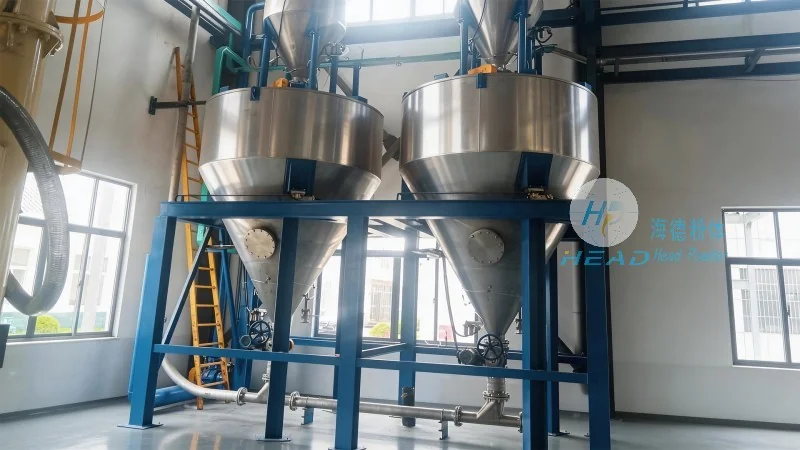
Some systems combine elements of both vacuum and pressure, known as mixed or hybrid systems. These offer flexibility by using vacuum to draw material from a source and pressure to transport it over longer distances, optimizing energy use and operational performance.
Applications of Pneumatic Conveying in Styrene Handling
Pneumatic conveying is integral to various stages of styrene production and processing. In chemical manufacturing, it is used to transport raw styrene monomer from storage tanks to reactors or to move finished products from reactors to packaging units. The technology’s ability to handle both liquid and solid forms of styrene makes it versatile for different production phases.
In manufacturing facilities, pneumatic systems are employed to move styrene powders or granules between processing equipment, such as mixers, extruders, and molding machines. This ensures a continuous, controlled flow of material, reducing downtime and improving overall production efficiency. The enclosed system also helps maintain a dust-free environment, which is critical for product quality and worker safety.
Furthermore, pneumatic conveying is utilized in quality control and testing processes, where small samples of styrene need to be transported between labs and production lines. The precision and reliability of pneumatic systems ensure samples are handled without contamination, preserving the integrity of test results.
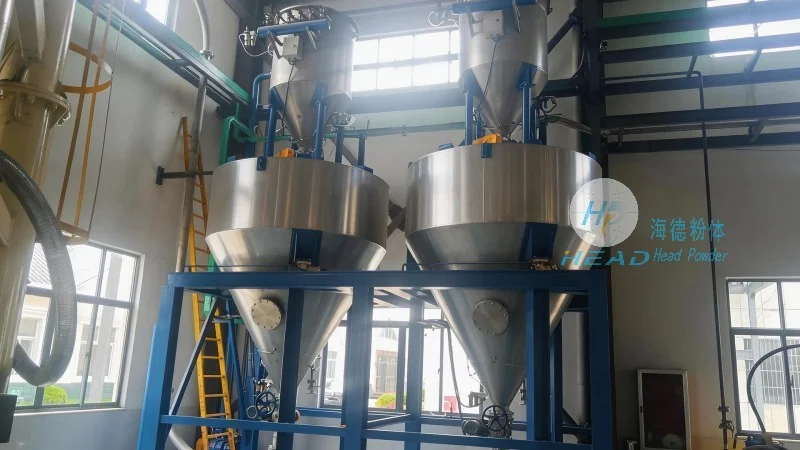
Benefits of Pneumatic Conveying for Styrene Handling
Implementing pneumatic conveying for styrene offers several key advantages over traditional mechanical systems. First, it provides a dust-free and clean environment, which is essential for maintaining product quality and complying with regulatory standards. The enclosed system prevents styrene particles from escaping into the air, reducing inhalation hazards and environmental contamination.
Second, pneumatic systems are highly flexible and can be easily adapted to changing production needs. They can be expanded or reconfigured to accommodate increased volumes or new processing requirements without major infrastructure changes, making them a cost-effective solution for growing businesses.
Third, the technology reduces labor costs and operational downtime. Automation minimizes the need for manual labor and avoids the frequent maintenance required by mechanical systems. The consistent operation of pneumatic systems also leads to improved efficiency and reduced waste.
Considerations for Choosing a Pneumatic Conveying System for Styrene
When selecting a pneumatic conveying system for styrene handling, several factors must be evaluated to ensure optimal performance and safety. The first consideration is the material’s physical properties, including particle size, density, and moisture content. These characteristics affect the air velocity and pressure needed for effective conveying and determine the most suitable system type (vacuum or pressure).
Second, the distance and elevation changes between the source and destination are critical. Longer distances or higher elevations may require pressure systems or more powerful vacuum systems to maintain material flow. The system design must also account for the number of branches or turns in the conveying line, as these impact efficiency and energy consumption.
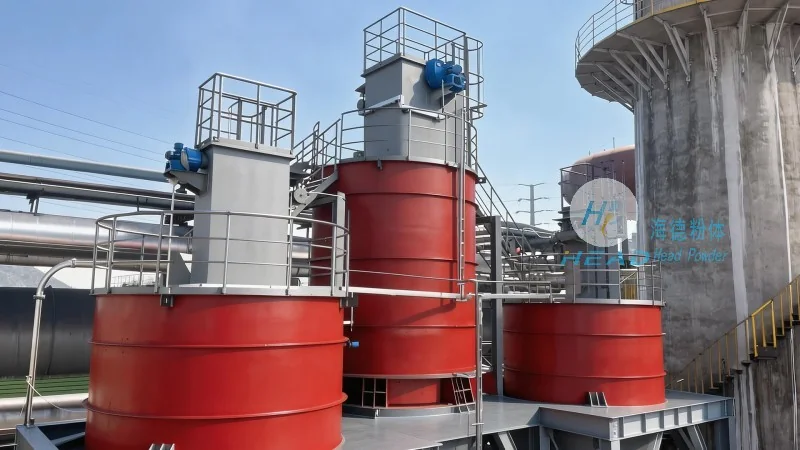
Third, safety and regulatory compliance are paramount. Styrene is flammable, and pneumatic systems must be designed to prevent ignition sources and ensure proper ventilation. The system should meet local and international safety standards for handling hazardous materials.
Finally, the cost of implementation and maintenance should be assessed. While pneumatic systems may have higher initial costs than some mechanical alternatives, their long-term benefits—such as efficiency, safety, and flexibility—often outweigh the investment. Companies should consider total cost of ownership, including energy use, maintenance needs, and potential downtime, when making a decision.
Conclusion
Pneumatic conveying has become indispensable for handling styrene and similar materials in the chemical and manufacturing industries. Its ability to provide efficient, clean, and flexible material transport makes it a preferred choice over traditional methods. By understanding the classification of pneumatic systems and their applications, companies can select the most appropriate solution for their needs, ensuring optimal performance and safety in styrene handling operations.
Shandong HeadPowder Engineering Co., Ltd., a leading provider of pneumatic conveying solutions, specializes in designing and manufacturing systems tailored to the unique requirements of styrene processing. With extensive industry experience, the company offers customized solutions that enhance productivity, reduce costs, and ensure compliance with safety regulations. Whether for new installations or system upgrades, HeadPowder Engineering provides reliable and efficient pneumatic conveying systems that meet the highest standards of performance and quality.