

What is Dust Removal Coke Powder Pneumatic Conveying, Classification and Applications of Pneumatic C
Understanding dust removal coke powder pneumatic conveying is crucial for industries dealing with fine particulate materials like coke powder. This method involves the use of air to transport the material through a pipeline system, offering a flexible and efficient solution for material handling. Pneumatic conveying systems are widely used across various sectors, and understanding their classification and practical applications can significantly enhance operational efficiency.
Introduction to Dust Removal Coke Powder Pneumatic Conveying
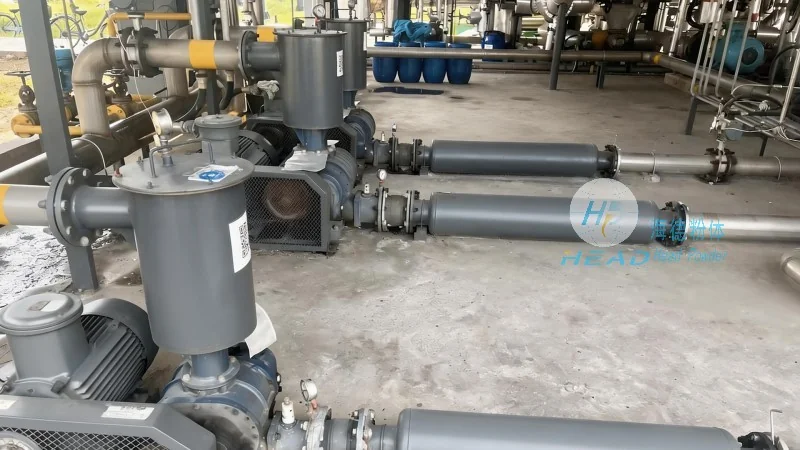
Dust removal coke powder pneumatic conveying refers to the process of transporting coke powder, which is often generated as a byproduct in industrial processes, using air as the conveying medium. This technique is particularly effective for handling fine, dry powders that are prone to dust and require careful handling to prevent contamination or loss. The system typically consists of a source of air (usually a blower or compressor), a pipeline network, and a collection or discharge point. By utilizing air pressure, the coke powder is lifted and transported through the system, minimizing the need for mechanical components that might cause wear or contamination.
Key Components of Pneumatic Conveying Systems
At the core of any pneumatic conveying system are several critical components that work in tandem to ensure efficient material transport. These include the air source, which provides the necessary pressure and volume of air; the material feed system, which introduces the coke powder into the pipeline; the pipeline itself, which can be either positive pressure or negative pressure systems; and the control and regulation devices that manage the flow and pressure within the system. Each component plays a vital role in maintaining the integrity and efficiency of the conveying process.
Classification of Pneumatic Conveying Systems
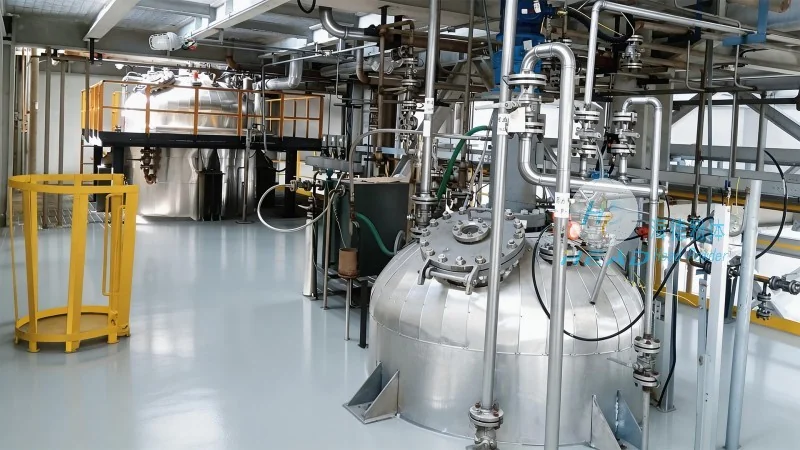
Pneumatic conveying systems are broadly classified into two main categories based on the pressure used: positive pressure and negative pressure systems. Positive pressure systems operate by blowing air into the pipeline, creating a pressure higher than the ambient air, which propels the material forward. This type is commonly used for long-distance or high-volume transport and is suitable for materials that are less abrasive or require higher transport speeds. Negative pressure systems, on the other hand, create a vacuum in the pipeline, drawing the material into the system. These systems are often preferred for shorter distances or when handling materials that are more sensitive to pressure changes or require a cleaner environment.
Applications of Pneumatic Conveying in Dust Removal
The application of pneumatic conveying in dust removal, particularly for coke powder, is widespread across industries such as steel manufacturing, chemical processing, and power generation. In steel plants, coke powder is a byproduct of coking operations and needs to be efficiently transported from the coking plant to storage or processing facilities. Pneumatic conveying systems provide a reliable and cost-effective solution, reducing the risk of dust exposure and improving safety for workers. Similarly, in chemical plants, where fine powders are involved in various processes, pneumatic conveying helps in transferring materials without the need for manual handling, which can be hazardous due to the fine particle nature of the material.
Benefits of Using Pneumatic Conveying for Coke Powder
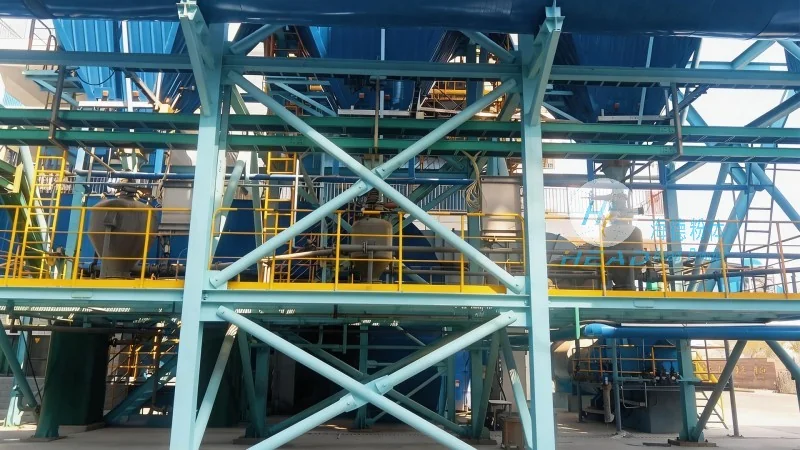
Implementing pneumatic conveying systems for dust removal coke powder offers several advantages over traditional mechanical conveying methods. One of the primary benefits is the reduction in dust exposure, which is critical for maintaining a safe working environment and complying with occupational health and safety regulations. By containing the material within a closed pipeline system, the risk of airborne dust is minimized, protecting both workers and the surrounding environment. Additionally, pneumatic conveying systems are generally more flexible and can be easily integrated into existing industrial layouts, allowing for adjustments in transport routes or capacity as needed. The systems also offer higher efficiency in terms of material handling, as they can transport large volumes of material over long distances with minimal energy consumption compared to other methods.
Case Study: HeadPowder Engineering's Pneumatic Conveying Solutions
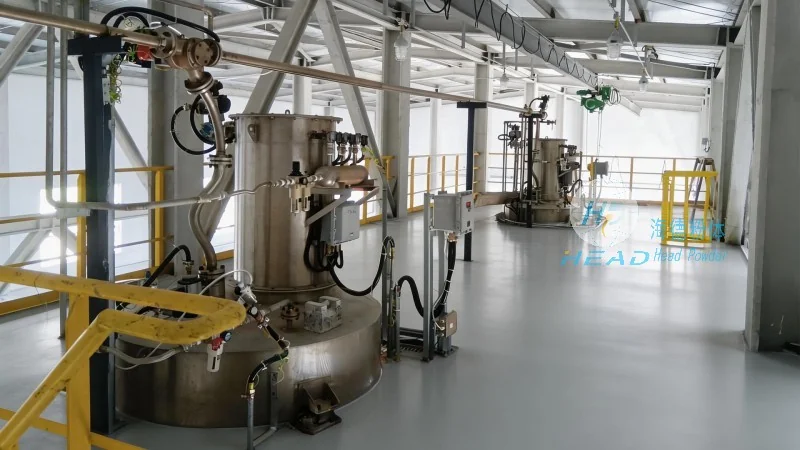
Shandong HeadPowder Engineering Co., Ltd., a leading provider of material handling solutions, specializes in designing and implementing advanced pneumatic conveying systems tailored to the needs of industries dealing with fine powders. With a focus on dust removal and efficient material transport, HeadPowder has developed customized solutions that address the unique challenges of coke powder handling. Their systems are engineered to ensure high efficiency, low maintenance, and compliance with industry standards. By leveraging their expertise in pneumatic conveying technology, HeadPowder helps clients optimize their material handling processes, reduce operational costs, and enhance overall productivity. The company's commitment to quality and innovation has made it a trusted partner for businesses seeking reliable solutions for dust removal and coke powder transport.
Conclusion and Future Trends
In conclusion, dust removal coke powder pneumatic conveying is a highly effective method for transporting fine particulate materials like coke powder. By understanding the classification and applications of pneumatic conveying systems, industries can make informed decisions about the most suitable technology for their specific needs. As technology advances, there is a growing emphasis on more efficient and sustainable material handling solutions, and pneumatic conveying systems continue to play a vital role in meeting these demands. With companies like Shandong HeadPowder Engineering Co., Ltd. leading the way in innovation, the future of dust removal and coke powder transport looks promising, with continued improvements in system efficiency, safety, and environmental compliance.