

Ammonium Nitrate Pneumatic Conveying Technology: In-Depth Analysis of Vacuum and Positive Pressure C
Ammonium nitrate (AN) is a widely used chemical compound in various industrial applications, including fertilizer production, explosives manufacturing, and chemical processing. The safe and efficient handling of AN is critical due to its sensitivity to impact and friction, which can lead to hazardous conditions. Pneumatic conveying systems offer a reliable solution for transporting AN, with two primary methods: vacuum and positive pressure. This article provides a comprehensive analysis of both techniques, exploring their principles, advantages, and practical applications in industrial settings.
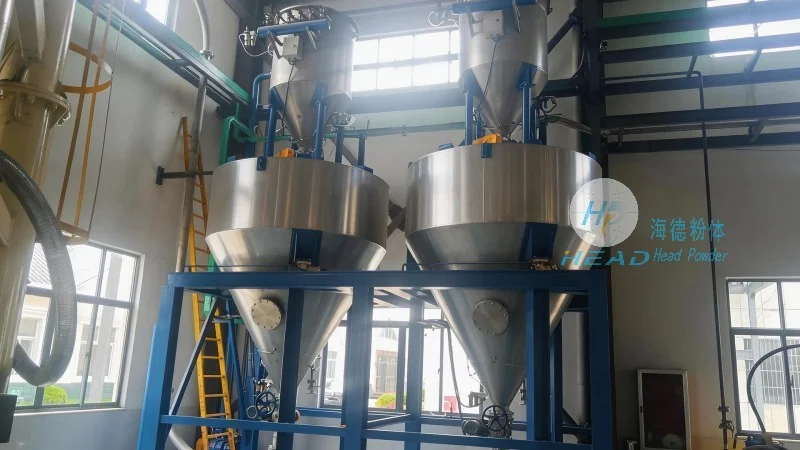
Understanding Ammonium Nitrate and Its Handling Requirements
Ammonium nitrate is a white crystalline solid with a high solubility in water. It is commonly used as a nitrogen source in fertilizers and as an oxidizer in explosives. Due to its potential to decompose explosively under certain conditions, such as high temperature or impact, the handling of AN requires specialized equipment and systems designed to minimize risks. Pneumatic conveying systems are preferred for AN transport because they can handle the material in a closed environment, reducing exposure to the air and preventing dust generation. The choice between vacuum and positive pressure conveying depends on factors like material properties, distance, and system complexity.
Vacuum Pneumatic Conveying Systems for Ammonium Nitrate
Vacuum pneumatic conveying systems operate by creating a negative pressure at the receiving end, drawing material from the source into the system. This method is particularly suitable for applications where the material needs to be transported from a lower elevation to a higher one or over short to medium distances. The system typically consists of a vacuum pump, a conveying line, and a hopper or silo at the receiving end. The vacuum pump creates a pressure differential that pulls the AN particles into the line, where they are transported by the airflow. One of the key advantages of vacuum conveying is its ability to handle fine powders and prevent product degradation, as the material is not subjected to high pressure or friction. However, vacuum systems may have limitations in terms of distance and material density, as the pressure drop can increase with longer lines or larger particle sizes.
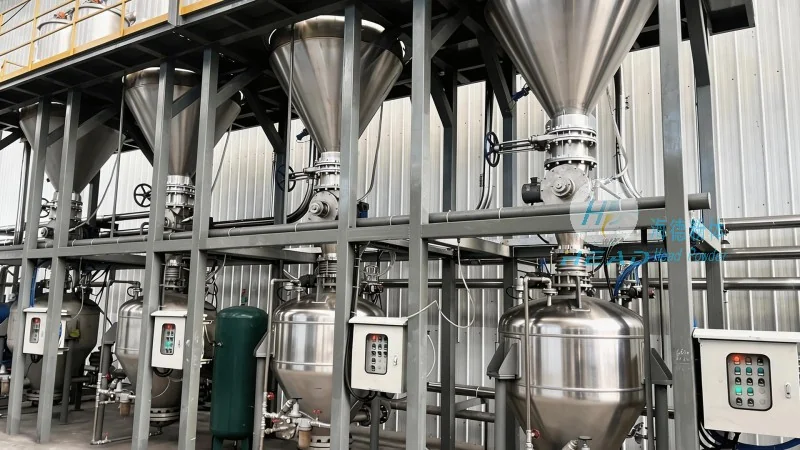
Positive Pressure Pneumatic Conveying Systems for Ammonium Nitrate
Positive pressure pneumatic conveying systems, on the other hand, use a blower or compressor to generate positive pressure at the source, pushing the material through the conveying line. This method is ideal for transporting AN over longer distances or from a higher elevation to a lower one. The system includes a pressure vessel, a conveying line, and a discharge hopper at the receiving end. The positive pressure ensures that the material is continuously pushed through the line, reducing the risk of blockages and ensuring consistent flow. Positive pressure systems are generally more suitable for bulk materials and can handle larger particle sizes compared to vacuum systems. However, they may require more energy input and can generate higher dust levels if not properly sealed.
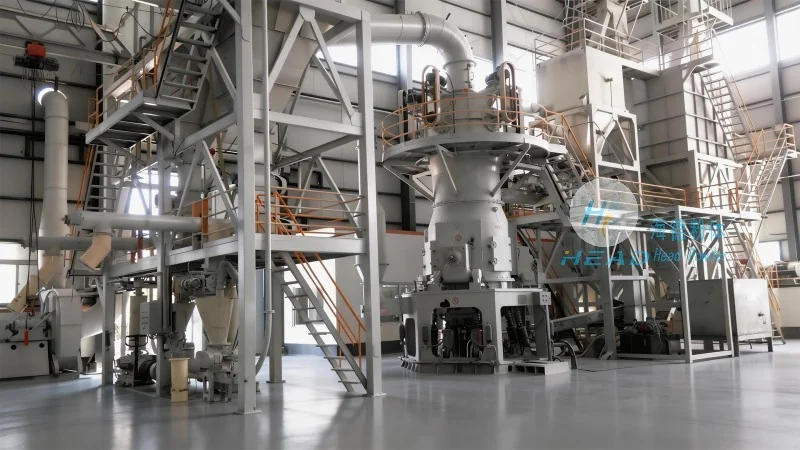
Key Considerations for Selecting the Right Conveying Method
When choosing between vacuum and positive pressure pneumatic conveying for ammonium nitrate, several factors must be considered. The distance between the source and the destination is a primary factor, as vacuum systems are typically limited to shorter distances (up to a few hundred meters) while positive pressure systems can handle longer distances (up to several kilometers). The material's particle size and density also play a role, as finer particles may require higher air velocities in vacuum systems to prevent clogging. Additionally, the system's energy efficiency and maintenance requirements should be evaluated. Vacuum systems generally consume less energy but may have higher maintenance costs due to the vacuum pump, while positive pressure systems use more energy but can be simpler to maintain.
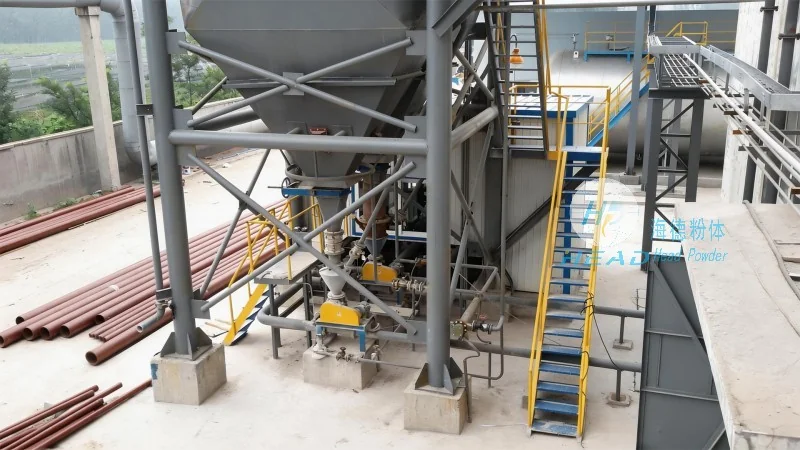
Applications and Case Studies
Both vacuum and positive pressure pneumatic conveying systems are widely used in the ammonium nitrate industry. For example, in fertilizer plants, vacuum systems are often used to transport AN from storage silos to mixing and packaging areas, where the material is handled in a closed loop to minimize dust exposure. Positive pressure systems are commonly employed in the explosives industry to transport AN from production lines to storage facilities, where the material needs to be moved over longer distances and at higher speeds. Companies like Shandong HeadPowder Engineering Co., Ltd., a leading provider of pneumatic conveying solutions, have developed specialized systems tailored to the unique requirements of AN handling. Their expertise in material flow dynamics and system design ensures that the conveying processes are safe, efficient, and compliant with industry regulations.
Conclusion
In conclusion, the selection of vacuum or positive pressure pneumatic conveying for ammonium nitrate depends on the specific application requirements, including distance, material properties, and operational constraints. Both methods offer reliable solutions for transporting AN while minimizing risks and ensuring product integrity. By understanding the principles and advantages of each technique, industrial operators can choose the most appropriate system to meet their needs. As a trusted partner in the chemical industry, Shandong HeadPowder Engineering Co., Ltd. continues to innovate and provide advanced pneumatic conveying solutions that enhance safety and efficiency in AN handling processes.