

[CALCIUM OXIDE PNEUMATIC CONVEYING TECHNOLOGY: IN-DEPTH ANALYSIS OF NEGATIVE PRESSURE AND POSITIVE P
Calcium oxide, commonly known as quicklime, is a widely used industrial material with diverse applications in sectors such as construction, chemical manufacturing, and environmental treatment. The efficient and safe transportation of calcium oxide from production sites to processing facilities is crucial for maintaining operational efficiency and product quality. Pneumatic conveying technology offers a reliable solution for handling this material, with negative pressure and positive pressure systems being the two primary methods. This article provides a comprehensive overview of the principles, applications, and advantages of both negative pressure and positive pressure pneumatic conveying systems for calcium oxide, highlighting the key considerations for selecting the appropriate system.
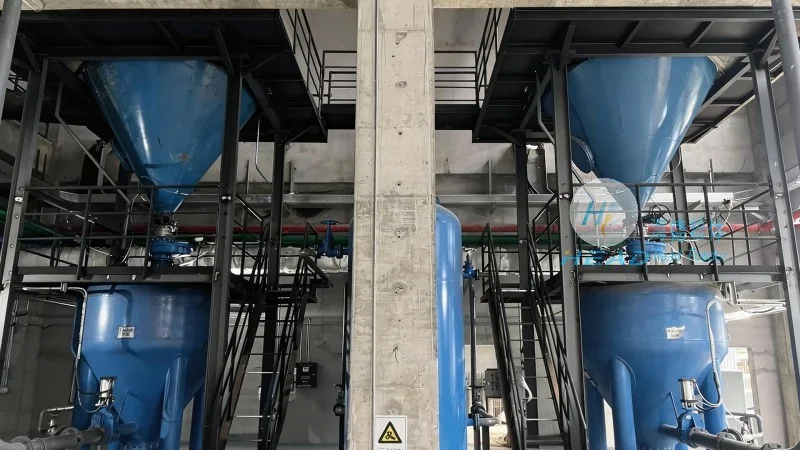
Introduction to Pneumatic Conveying Systems for Calcium Oxide
Pneumatic conveying systems are used to transport bulk materials like calcium oxide through the use of air or gas as the conveying medium. These systems are preferred for calcium oxide due to its dusty nature and the need for dust-free handling. The two main types of pneumatic conveying systems are negative pressure (or vacuum) systems and positive pressure systems. Each system operates on different principles and is suitable for specific operational requirements and material characteristics.
Negative Pressure (Vacuum) Pneumatic Conveying Systems
Negative pressure systems operate by creating a vacuum at the material discharge point, drawing the material from the source into the conveying line. The system typically includes a vacuum pump, a hopper, and a conveying line. The material is fed into the hopper, and the vacuum pump pulls air and material particles through the line to the destination. This method is particularly effective for conveying calcium oxide over short to medium distances and is often used in applications where the material needs to be collected from multiple points or where the receiving end is at a lower elevation than the source.
Key advantages of negative pressure systems include their ability to handle fine and dusty materials without causing excessive pressure buildup, which can be beneficial for calcium oxide due to its particle size and dust generation characteristics. Additionally, these systems are generally quieter and require less maintenance compared to positive pressure systems. However, negative pressure systems have limitations, such as lower conveying capacities and the need for careful control to prevent system backflow or material blockages.
Positive Pressure Pneumatic Conveying Systems
Positive pressure systems, on the other hand, operate by blowing air or gas under pressure into the conveying line, pushing the material from the source to the destination. The system consists of a blower, a hopper, and a conveying line. The material is fed into the hopper, and the high-pressure air forces the material particles through the line to the receiving point. Positive pressure systems are suitable for longer conveying distances and can handle larger volumes of material compared to negative pressure systems.
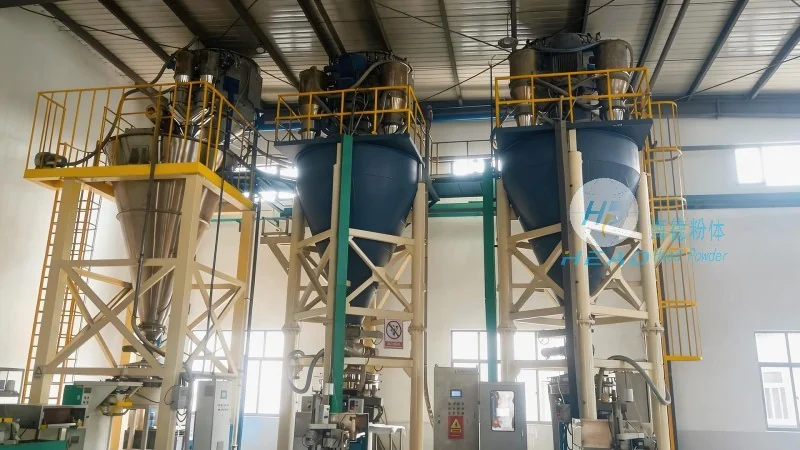
For calcium oxide, positive pressure systems offer higher conveying velocities and can handle more abrasive or sticky materials. They are often preferred in applications where the receiving end is at a higher elevation than the source or where the material needs to be transported over longer distances without significant pressure loss. However, positive pressure systems require more robust equipment to handle higher pressures and may generate more noise and require more maintenance due to the higher air flow rates.
Comparative Analysis of Negative and Positive Pressure Systems for Calcium Oxide
When selecting between negative and positive pressure systems for calcium oxide, several factors must be considered. The primary considerations include the distance between the source and destination, the volume of material to be conveyed, the elevation difference, and the material's properties such as particle size, moisture content, and dust generation. Negative pressure systems are generally more suitable for short to medium distances and lower material volumes, while positive pressure systems are preferred for longer distances and higher volumes.
Another critical factor is the system's ability to handle the material's dust characteristics. Calcium oxide is a fine powder that can easily generate dust, and both systems must be designed to minimize dust emissions and ensure safe handling. Negative pressure systems are often equipped with dust collection and filtration systems to capture any airborne particles, while positive pressure systems may use sealed conveying lines and air filtration to prevent dust release.

Applications of Pneumatic Conveying in Calcium Oxide Processing
Pneumatic conveying systems are widely used in the processing of calcium oxide for various applications. In the construction industry, calcium oxide is used as a raw material for cement production and as a component in mortar and concrete. Pneumatic conveying allows for the efficient transport of calcium oxide from storage silos to mixing plants, ensuring consistent material quality and reducing handling time. In chemical manufacturing, calcium oxide is used in the production of calcium carbide and other chemicals, and pneumatic conveying systems facilitate the transport of raw materials to reactors and processing units.
In environmental applications, calcium oxide is used for flue gas desulfurization and as a neutralizing agent for acidic waste. Pneumatic conveying systems enable the transport of calcium oxide from storage to treatment facilities, ensuring that the material is delivered in a controlled manner to meet environmental regulations. The ability to handle calcium oxide in a dust-free environment is particularly important in these applications to prevent contamination and ensure compliance with safety standards.
Advantages of Using Pneumatic Conveying for Calcium Oxide
Implementing pneumatic conveying systems for calcium oxide offers several advantages over traditional methods such as bucket elevators or belt conveyors. One of the key benefits is the reduction in material handling time and labor costs. Pneumatic systems can transport material quickly and efficiently, reducing the need for manual handling and minimizing the risk of material spillage or contamination.
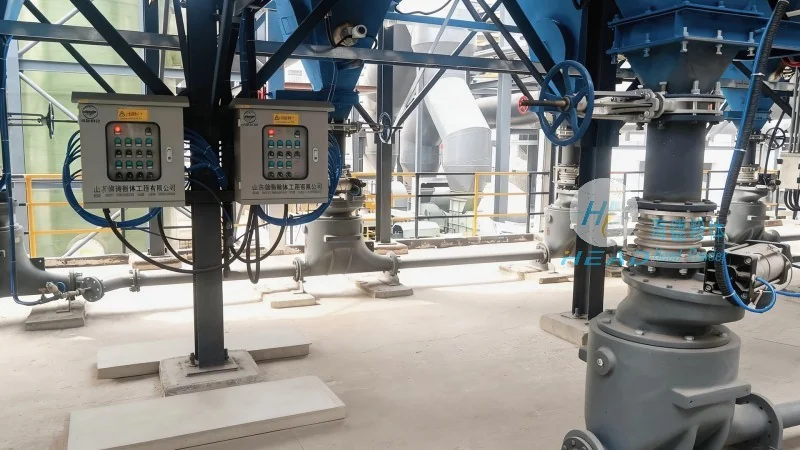
Another advantage is the improved safety and environmental performance. Pneumatic conveying systems are enclosed, which prevents dust from being released into the workplace and reduces the risk of respiratory issues for workers. This is particularly important for calcium oxide, which can cause irritation if inhaled. Additionally, the enclosed system reduces the risk of fire or explosion, as calcium oxide is a combustible material under certain conditions.
Efficiency and reliability are also significant advantages of pneumatic conveying systems. These systems can operate continuously with minimal downtime, ensuring a steady supply of calcium oxide to processing facilities. The ability to handle varying material flow rates and adjust the conveying speed as needed allows for better control over the production process. Furthermore, pneumatic systems are more flexible in terms of layout, as they can be installed in various configurations to accommodate different plant designs and operational requirements.
Conclusion
Pneumatic conveying technology, including both negative pressure and positive pressure systems, plays a vital role in the efficient and safe handling of calcium oxide. The choice between the two systems depends on specific operational needs, material characteristics, and site conditions. Negative pressure systems are suitable for shorter distances and lower volumes, while positive pressure systems are preferred for longer distances and higher volumes. Both systems offer advantages in terms of efficiency, safety, and environmental performance, making them essential components in modern calcium oxide processing facilities.
Shandong HeadPowder Engineering Co., Ltd., a leading provider of pneumatic conveying solutions, specializes in designing and manufacturing customized systems for calcium oxide and other bulk materials. With years of experience in the industry, the company offers comprehensive solutions that meet the unique requirements of each application. HeadPowder's expertise in material handling and system design ensures that clients receive reliable and efficient pneumatic conveying systems that enhance operational performance and product quality.