

Electrode Powder Pneumatic Conveying Technology: In-Depth Analysis and Application of Negative Press
Pneumatic conveying is a critical technology in the handling and transportation of bulk materials, particularly in industries dealing with fine powders such as electrode powder. This article provides a comprehensive overview of the key pneumatic conveying methods used for electrode powder, focusing on negative pressure and positive pressure systems. By understanding the principles, advantages, and practical applications of these systems, industry professionals can make informed decisions about the most suitable conveying solution for their specific operational needs.
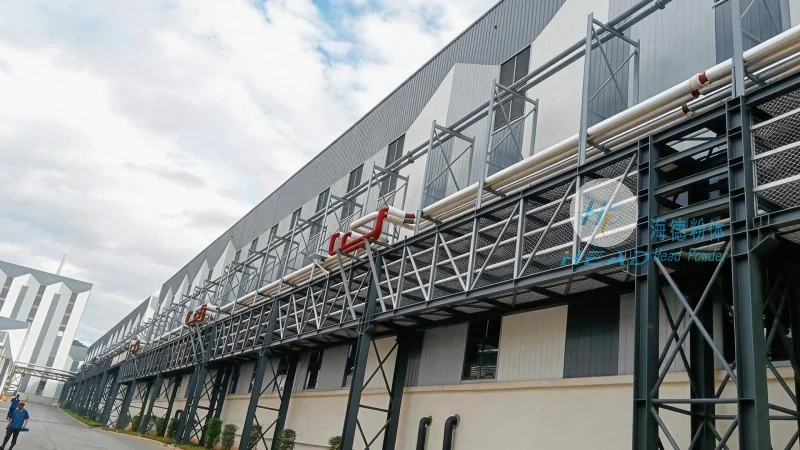
About Shandong HeadPowder Engineering Co., Ltd.
HeadPowder, a leading engineering company based in Shandong, China, specializes in the design, manufacturing, and implementation of advanced pneumatic conveying systems. With a strong commitment to innovation and customer satisfaction, HeadPowder has established itself as a trusted partner for businesses requiring efficient and reliable material handling solutions. The company's headquarters is located in Shandong, China, and its expertise spans across various industries, including metallurgy, chemical processing, and power generation, where electrode powder is a vital component.
Understanding Negative Pressure Pneumatic Conveying
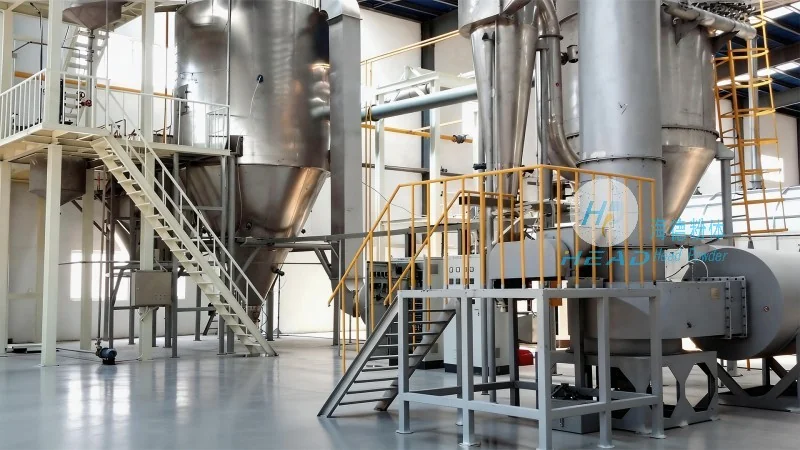
Negative pressure, or vacuum, pneumatic conveying systems operate by creating a low-pressure environment at the material inlet, which draws the powder into the conveying line. This method is particularly effective for transporting materials over short to medium distances and is commonly used in applications where the material is sensitive to pressure changes or where the need to minimize dust exposure is critical. The system typically consists of a vacuum pump, a material feed hopper, and a conveying line that connects the hopper to the discharge point. As the vacuum pump creates a negative pressure, the electrode powder is drawn into the line and transported to the desired location. One of the key advantages of negative pressure systems is their ability to handle fine powders without causing excessive wear on the conveying components, as the material is conveyed in a relatively dry state. Additionally, these systems are often more energy-efficient for shorter conveying distances, as the vacuum pump can be sized to match the specific requirements of the application.
Advantages and Applications of Negative Pressure Systems
Negative pressure pneumatic conveying systems offer several benefits that make them suitable for a wide range of electrode powder handling applications. For instance, in the production of calcium carbide, where electrode powder is a key raw material, negative pressure systems can effectively transport the fine powder from storage silos to processing equipment without generating significant dust. This is crucial for maintaining a clean and safe working environment, as electrode powder can be hazardous if inhaled. Furthermore, negative pressure systems are well-suited for applications where the material needs to be conveyed from multiple points to a central processing unit, as the vacuum can be distributed to multiple feed points, allowing for flexible material handling. Another advantage is the reduced risk of material degradation, as the low-pressure environment minimizes the impact of air flow on the powder's physical properties. This is particularly important for electrode powder, which can be sensitive to moisture and temperature changes. Overall, negative pressure systems provide a reliable and efficient means of transporting electrode powder while ensuring safety and operational efficiency.
Exploring Positive Pressure Pneumatic Conveying
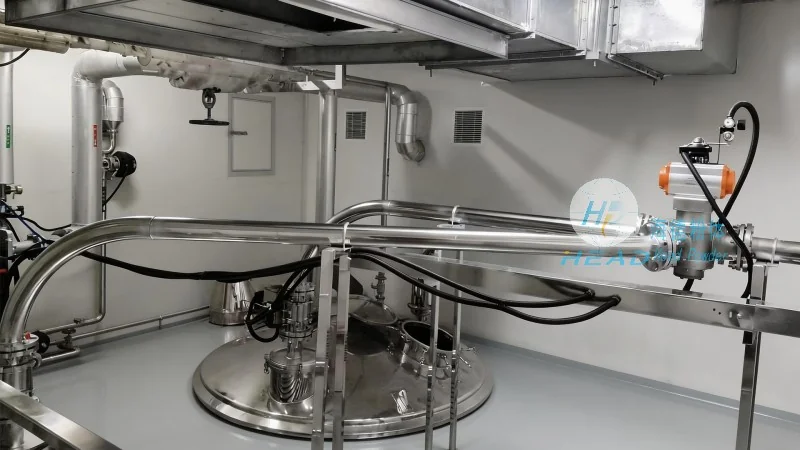
Positive pressure, or pressure, pneumatic conveying systems operate by forcing air or gas through the conveying line, creating a high-pressure environment that pushes the material forward. This method is ideal for longer conveying distances and for materials that are less sensitive to pressure changes. The system typically includes a positive displacement blower or a rotary lobe blower, a material feed hopper, and a conveying line that transports the powder from the feed point to the discharge location. As the blower forces air through the line, the electrode powder is entrained in the air stream and conveyed to the destination. Positive pressure systems are generally more robust and can handle larger volumes of material compared to negative pressure systems. They are also better suited for applications where the material needs to be conveyed over longer distances, as the pressure can be maintained throughout the entire conveying line. However, these systems may require more maintenance due to the higher air flow rates and the potential for increased wear on the conveying components.
Advantages and Applications of Positive Pressure Systems
Positive pressure pneumatic conveying systems offer distinct advantages that make them suitable for specific electrode powder handling scenarios. For example, in large-scale power plants where electrode powder is used as a raw material for producing acetylene, positive pressure systems can efficiently transport the powder from storage silos to the reactor over considerable distances. The high-pressure environment ensures that the material is conveyed consistently, even in challenging conditions such as high ambient temperatures or in environments with limited access. Another advantage is the ability to handle a wider range of materials, including those that are more abrasive or have higher moisture content. Positive pressure systems are also more effective in preventing dust accumulation in the conveying line, as the high air flow helps to keep the material suspended and prevents blockages. This is particularly important for electrode powder, which can be prone to caking or agglomeration if not handled properly. Overall, positive pressure systems provide a powerful and reliable solution for transporting electrode powder over longer distances and in more demanding operational environments.
Comparative Analysis: Negative vs. Positive Pressure Systems
When selecting a pneumatic conveying system for electrode powder, it is essential to consider the specific requirements of the application, including the distance to be covered, the material characteristics, and the operational environment. A comparative analysis of negative and positive pressure systems can help in making an informed decision. Negative pressure systems are generally more suitable for short to medium conveying distances, where the material is fine and sensitive to pressure changes. They are also more energy-efficient for these shorter distances and can handle materials that are prone to dust generation. On the other hand, positive pressure systems are better suited for longer distances and for materials that are less sensitive to pressure changes. They can handle larger volumes and are more robust, making them ideal for high-volume production lines. The choice between the two systems also depends on the available space and the layout of the facility. For instance, negative pressure systems may require more space for the vacuum pump and the material feed hopper, while positive pressure systems may need additional space for the blower and the air filtration system. Ultimately, the decision should be based on a thorough evaluation of the operational needs and the cost-effectiveness of each system.
Implementation and Maintenance Considerations
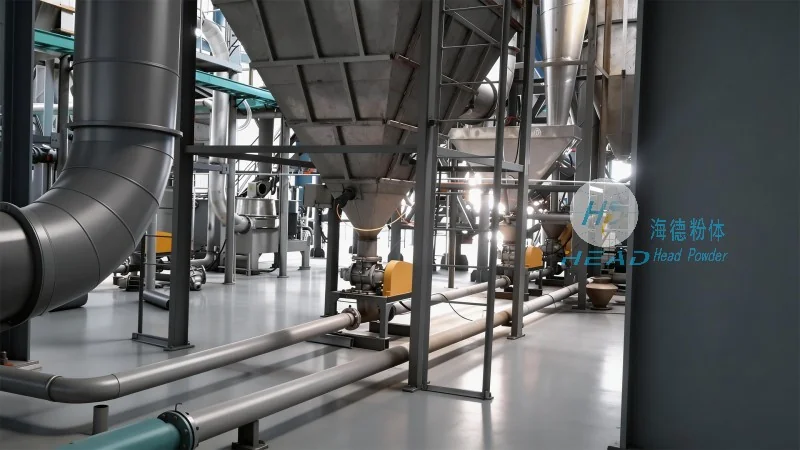
Implementing a pneumatic conveying system for electrode powder requires careful planning and professional expertise. HeadPowder, with its extensive experience in the field, offers comprehensive services to ensure that the system is designed, installed, and maintained to meet the highest standards. The implementation process typically involves several key steps, including site assessment, material analysis, system design, and installation. During the site assessment, the company evaluates the existing infrastructure, the layout of the facility, and the specific requirements of the application to determine the most suitable conveying method. Material analysis is crucial to understand the properties of the electrode powder, such as its particle size, moisture content, and abrasiveness, which directly impact the choice of system components and the overall system design. Once the system is designed, HeadPowder handles the manufacturing and installation, ensuring that all components are of high quality and meet the required specifications. Maintenance is another critical aspect of ensuring the long-term performance of the system. Regular maintenance, including cleaning of the conveying line, replacement of worn parts, and inspection of the air filtration system, is essential to prevent system downtime and ensure consistent performance. HeadPowder provides comprehensive maintenance services, including scheduled inspections, troubleshooting, and parts replacement, to keep the system operating at optimal levels. By leveraging the company's expertise, businesses can ensure that their pneumatic conveying system is reliable, efficient, and meets all operational requirements.
Conclusion
In conclusion, pneumatic conveying is a vital technology for the efficient handling and transportation of electrode powder. Both negative pressure and positive pressure systems offer unique advantages and are suitable for different applications. Negative pressure systems are ideal for short to medium distances and for materials that are sensitive to pressure changes, while positive pressure systems are better suited for longer distances and for materials that are less sensitive to pressure changes. The choice between the two systems depends on the specific operational needs, including the distance to be covered, the material characteristics, and the operational environment. HeadPowder, with its expertise in the field, provides comprehensive solutions for the design, implementation, and maintenance of pneumatic conveying systems, ensuring that businesses can achieve efficient and reliable material handling for their electrode powder applications. By understanding the principles and applications of these systems, industry professionals can make informed decisions and optimize their material handling processes.