

[Coke Powder Pneumatic Conveying Technology: In-Depth Analysis of Negative Pressure and Positive Pre
HeadPowder, a leading provider in the field of material handling solutions, specializes in advanced pneumatic conveying systems for coke powder. This article provides a comprehensive overview of the key technologies involved, focusing on both negative pressure and positive pressure systems, and their practical applications in industrial settings.
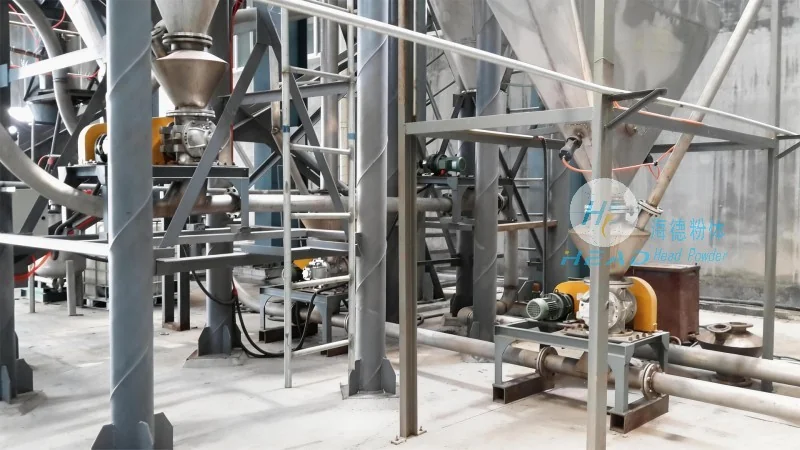
Introduction to Pneumatic Conveying for Coke Powder
Pneumatic conveying is a critical method for transporting coke powder, a material widely used in steel production and other industrial processes. The technology involves using air or gas to move the powder through a pipeline system. Two primary approaches dominate the industry: negative pressure (or vacuum) systems and positive pressure systems. Each has distinct characteristics and is suited to different operational requirements.
Understanding Negative Pressure Pneumatic Conveying
Negative pressure systems operate by creating a vacuum at the receiving end of the pipeline. This vacuum draws the coke powder from the source into the system. The process typically involves a venturi or a vacuum pump to generate the necessary suction force. Negative pressure conveying is often preferred for applications where the material needs to be transported over long distances or where the receiving point is at a lower elevation than the source. It is also advantageous for handling materials that are sensitive to pressure changes or for environments where dust containment is a priority.
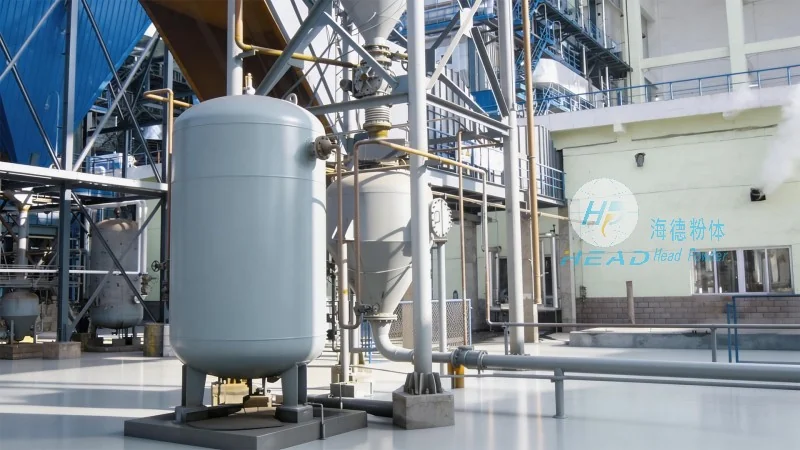
Advantages of Negative Pressure Systems
Key benefits of negative pressure pneumatic conveying for coke powder include its ability to handle fine powders without causing excessive wear on equipment. The vacuum environment helps in maintaining the integrity of the powder, reducing agglomeration and ensuring consistent flow. Additionally, these systems are generally quieter and produce less noise compared to positive pressure systems, making them suitable for applications in populated or noise-sensitive areas. The low operating pressure also minimizes the risk of material degradation and reduces the need for robust, high-pressure components.
Exploring Positive Pressure Pneumatic Conveying
Positive pressure systems, as the name suggests, use compressed air or gas to push the coke powder through the pipeline. The source of the material is typically at a higher elevation or pressure, and the system forces the powder forward using a blower or compressor. This approach is often more suitable for short to medium-distance transport, where the material needs to be moved from a lower to a higher elevation, or where the source is at a higher pressure than the destination.
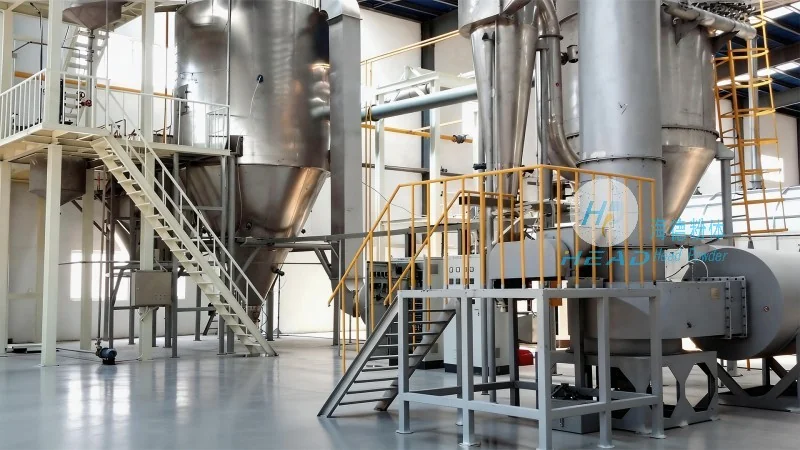
Key Features of Positive Pressure Systems
Positive pressure conveying systems are known for their high efficiency in moving large volumes of material quickly. The compressed air provides a consistent and powerful force, ensuring reliable flow even with high-density or abrasive powders. These systems are also easier to install and maintain, as they do not require complex vacuum generation equipment. However, they may produce more noise and require more energy due to the need for continuous compression of air. The pressure levels can also affect the material's properties, potentially leading to some degree of degradation if not managed properly.
Comparative Analysis: Negative vs. Positive Pressure
When selecting between negative and positive pressure systems for coke powder handling, several factors must be considered. The distance and elevation changes between the source and destination are primary determinants. For long horizontal or uphill transport over significant distances, negative pressure systems are often more economical and efficient. Conversely, for short horizontal or downhill transport, or when the source is at a higher pressure, positive pressure systems may offer better performance and lower operational costs.
Application Scenarios in Industrial Settings
The choice of pneumatic conveying system directly impacts the effectiveness of coke powder handling in various industrial applications. In steel mills, for example, negative pressure systems are commonly used to transport coke from storage silos to the blast furnace, especially when the silos are located at a higher level. Positive pressure systems might be employed in smaller scale operations or for transporting coke to auxiliary equipment where the distance is shorter and the elevation is lower.
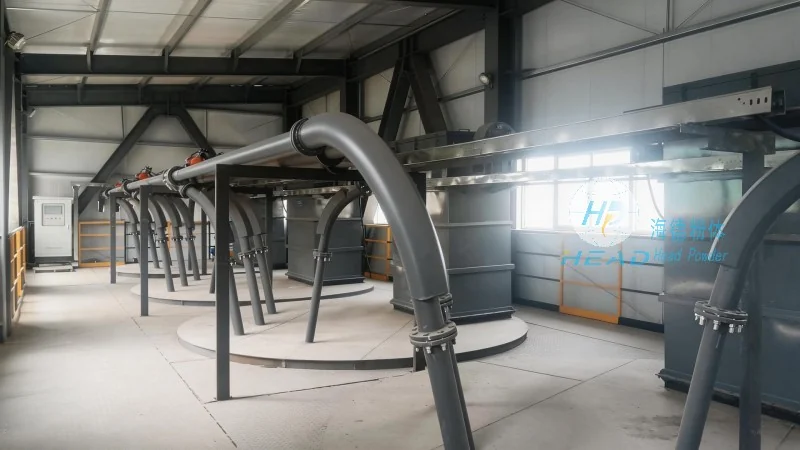
Technological Advancements and Integration
Modern pneumatic conveying systems for coke powder have incorporated advanced technologies to enhance performance and reliability. These include automated control systems that adjust air pressure and flow rates based on real-time conditions, reducing energy consumption and improving material handling efficiency. Additionally, the integration of dust collection and filtration systems ensures compliance with environmental regulations and maintains air quality in the workplace. HeadPowder, with its comprehensive expertise in material handling, continues to provide innovative solutions that meet the evolving needs of the industry.
Conclusion: Choosing the Right Pneumatic Conveying System
Both negative and positive pressure pneumatic conveying systems offer viable solutions for coke powder handling, each with its own set of advantages and limitations. The optimal choice depends on the specific operational requirements, including distance, elevation, material properties, and environmental considerations. By understanding the technical aspects and application scenarios, industrial facilities can select the most appropriate system to ensure efficient, reliable, and cost-effective transport of coke powder. HeadPowder, with its expertise in material handling, continues to deliver tailored solutions that address the unique challenges of coke powder transportation.