

Plaster Powder Pneumatic Conveying Technology: In-Depth Analysis of Negative Pressure and Positive P
Plaster powder, a fundamental material in construction and finishing applications, demands efficient and reliable transportation methods to maintain quality and safety throughout the supply chain. Pneumatic conveying technology has become a leading solution for handling plaster powder, offering advantages over traditional methods such as reduced dust exposure, improved material integrity, and enhanced operational flexibility. This article provides a comprehensive exploration of pneumatic conveying systems for plaster powder, focusing on the key differences between negative pressure (vacuum) and positive pressure (pressure) systems, and their practical applications in industrial settings.
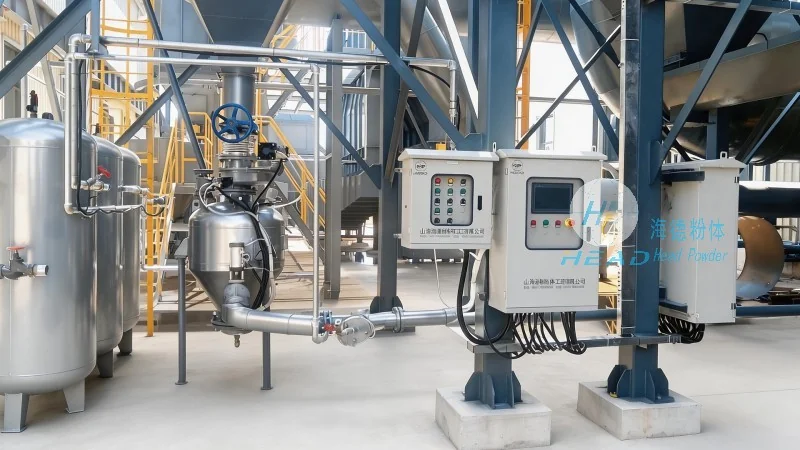
Negative Pressure Pneumatic Conveying Systems for Plaster Powder
Negative pressure, or vacuum, pneumatic conveying systems operate by drawing material from a source into a conveying line using a vacuum pump. This method is particularly effective for transporting plaster powder over short to medium distances, typically up to 100 meters, and is well-suited for applications where the material is stored in hoppers or silos. The system creates a low-pressure environment at the inlet, pulling powder particles into the pipeline. Key components include a vacuum pump, a filter unit to capture dust and prevent contamination, and a receiver or discharge hopper at the destination. The headpowder engineering team has developed specialized negative pressure systems tailored to the unique characteristics of plaster powder, ensuring minimal particle degradation and consistent flow rates. These systems are ideal for facilities with limited space or where minimizing external air ingress is critical.
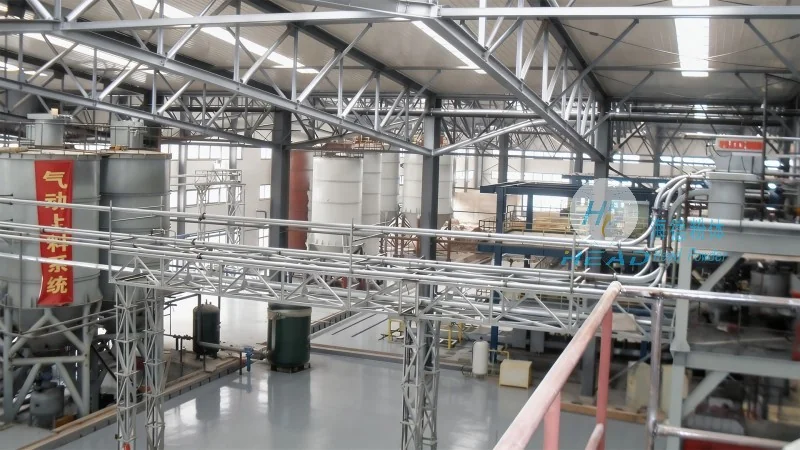
Positive Pressure Pneumatic Conveying Systems for Plaster Powder
Positive pressure, or pressure, pneumatic conveying systems generate high-pressure air or gas to push material through the conveying line. This approach is suitable for longer distances, often exceeding 100 meters, and is commonly used in applications requiring high material throughput or where the material is stored in bulk containers. The system works by forcing air and powder particles through the pipeline, with pressure maintained by a blower or compressor. A positive pressure system typically includes a material feeder, a pressure vessel, and a discharge valve. For plaster powder, positive pressure systems are designed to handle larger particle sizes and higher moisture content, ensuring stable conveying without clogging. The headpowder engineering company has expertise in designing positive pressure systems that optimize energy efficiency and reduce operational costs, making them a preferred choice for large-scale plaster powder handling operations.
Application Scenarios and Benefits of Pneumatic Conveying for Plaster Powder
The choice between negative and positive pressure pneumatic conveying systems depends on factors like distance, material volume, and end-use requirements. Negative pressure systems are often preferred for shorter runs and applications where dust control is paramount, such as indoor construction or finishing projects. Positive pressure systems are ideal for industrial plants with extensive material handling needs, such as large-scale plaster powder production facilities or distribution centers. Both systems offer significant benefits over traditional methods, including reduced labor costs due to automated material transport, improved safety by minimizing manual handling of dusty materials, and enhanced product quality by preventing contamination and degradation. The headpowder engineering team has successfully implemented pneumatic conveying solutions for a wide range of plaster powder applications, from small-scale residential projects to large commercial construction sites, demonstrating the versatility and effectiveness of these technologies.
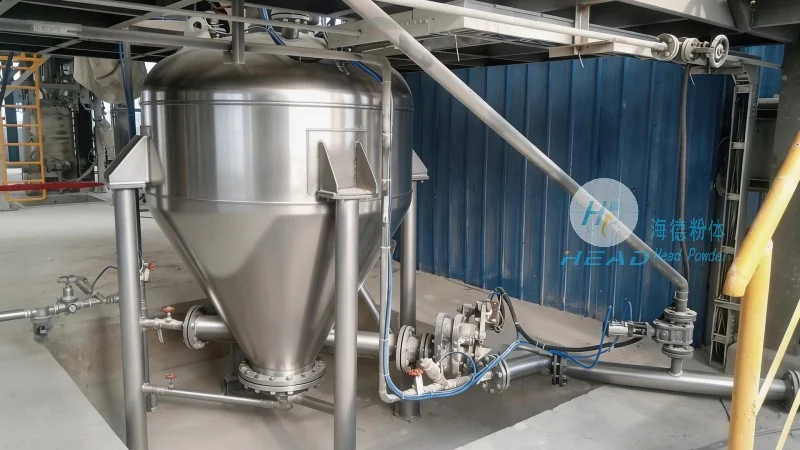
Company Profile: Shandong HeadPowder Engineering Co., Ltd.
Headpowder, a leading provider of engineering solutions for material handling, is headquartered in Shandong, China. With a strong commitment to innovation and customer satisfaction, the company specializes in designing and manufacturing pneumatic conveying systems tailored to the needs of the construction and finishing industries. The team at headpowder brings decades of experience in the field, combining advanced engineering principles with practical industry knowledge to deliver high-quality solutions. The company's facilities in Shandong are equipped with state-of-the-art equipment and skilled technicians, ensuring that every pneumatic conveying system is built to meet the highest standards of performance and reliability. Headpowder's dedication to customer support extends beyond initial installation, with ongoing maintenance and technical assistance available to ensure long-term operational efficiency. By partnering with headpowder, businesses can benefit from reliable, cost-effective, and environmentally friendly solutions for their plaster powder handling needs.