

Clay Limestone Sand Pneumatic Conveying Technology: In-Depth Analysis of Vacuum and Positive Pressur
Clay limestone sand, a vital material in construction and industrial sectors, demands efficient and reliable transport solutions. Pneumatic conveying technology addresses this need by utilizing air to move bulk materials like clay limestone sand through pipelines. This article delves into the two primary pneumatic conveying system types—vacuum and positive pressure—and their applications in handling clay limestone sand, focusing on technical aspects and practical implementations.
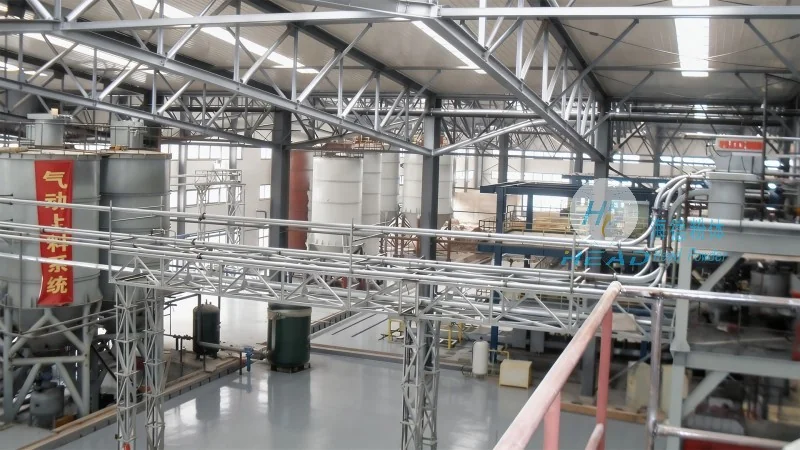
Vacuum Pneumatic Conveying: Principles and Applications
Vacuum pneumatic conveying systems operate by creating a negative pressure (vacuum) at the receiving end, drawing material from the source into the system. This method is ideal for moderate distance transport and handling materials prone to dust or requiring gentle handling. For clay limestone sand, vacuum systems accommodate varying moisture content and particle sizes, minimizing degradation during transport. The system typically includes a vacuum pump, material feed hopper, and receiving hopper, with pipelines designed to maintain consistent air flow and pressure differentials. In industrial settings, vacuum conveying is often used to move clay limestone sand from storage silos to processing equipment like mixers or crushers, ensuring precise material control.
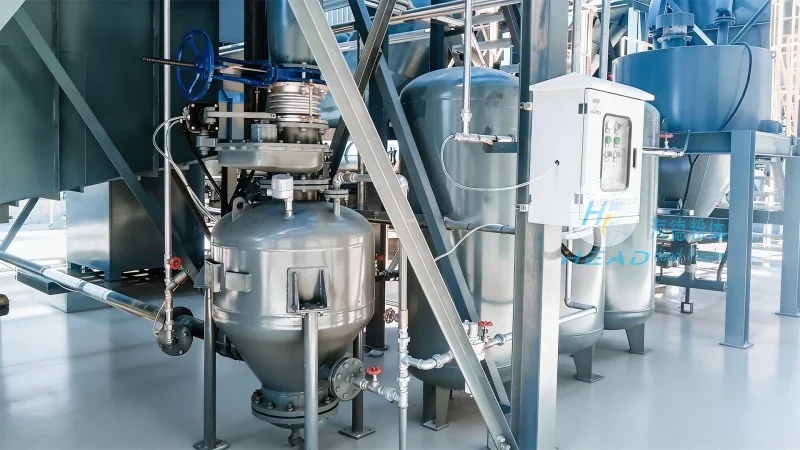
Positive Pressure Pneumatic Conveying: Advantages and Use Cases
Positive pressure pneumatic conveying systems generate positive pressure at the discharge end, pushing material through pipelines. This approach suits longer distances and materials less sensitive to air flow, handling higher loads and maintaining consistent flow rates. For clay limestone sand, positive pressure systems excel when transporting materials over extended distances or integrating with existing infrastructure. The system comprises a blower, material feed hopper, and discharge hopper, with pipelines engineered to withstand higher pressures and ensure efficient transport. Positive pressure conveying is commonly employed in transporting clay limestone sand from production sites to storage facilities or processing plants, ensuring reliable and continuous material flow.
Technical Considerations for Pneumatic Conveying of Clay Limestone Sand
Implementing pneumatic conveying systems for clay limestone sand requires careful consideration of technical factors to ensure optimal performance. Particle size and moisture content are critical, as they affect flowability and system pressure needs. Larger particles or higher moisture may necessitate adjustments to air velocity and pipeline diameter to prevent blockages or reduced efficiency. The system’s design must account for the material’s abrasiveness, as clay limestone sand can be abrasive to pipeline components, requiring durable materials like stainless steel or specialized coatings to extend lifespan. Maintenance and operational considerations are vital, with regular cleaning and equipment inspection needed to prevent clogging and ensure consistent performance. Proper sizing of the air compressor or vacuum pump is essential to match system requirements, balancing energy efficiency with sufficient air flow for material transport.
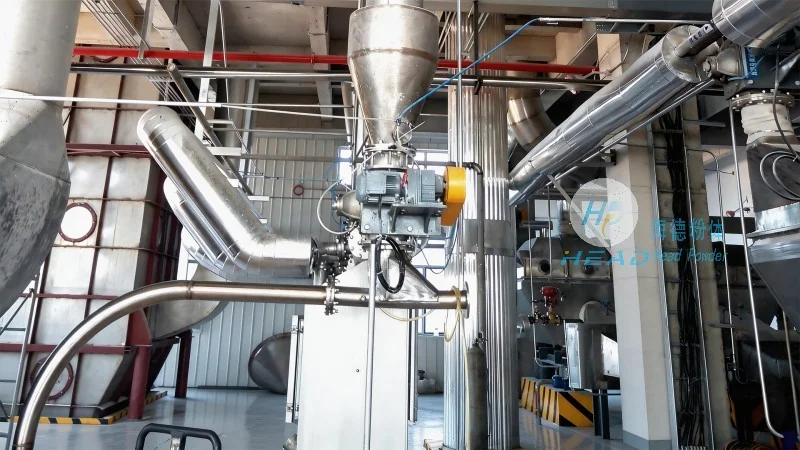
Applications and Industries Utilizing Pneumatic Conveying for Clay Limestone Sand
The versatility of pneumatic conveying systems makes them suitable for diverse applications involving clay limestone sand. In construction, these systems transport clay limestone sand from quarries to processing plants for concrete production or building materials. The mining sector benefits by efficiently moving clay limestone sand from extraction sites to processing facilities, reducing traditional trucking needs and environmental impact. Manufacturing industries, particularly those producing ceramics, also use pneumatic conveying, as clay limestone sand is a key raw material. The ability to handle varying properties and transport over varying distances makes pneumatic conveying a preferred choice for industries requiring reliable and consistent material supply.