

Design Considerations for Carbon Powder Pneumatic Conveying Systems
Shandong HeadPowder Engineering Co., Ltd., commonly known as headpowder, is a professional manufacturer and supplier of carbon powder pneumatic conveying systems. Based in Shandong, China, the company specializes in providing customized solutions for efficient and reliable carbon powder handling. This article outlines key design considerations to ensure optimal performance and longevity of such systems.
Understanding the Core Principles of Pneumatic Conveying
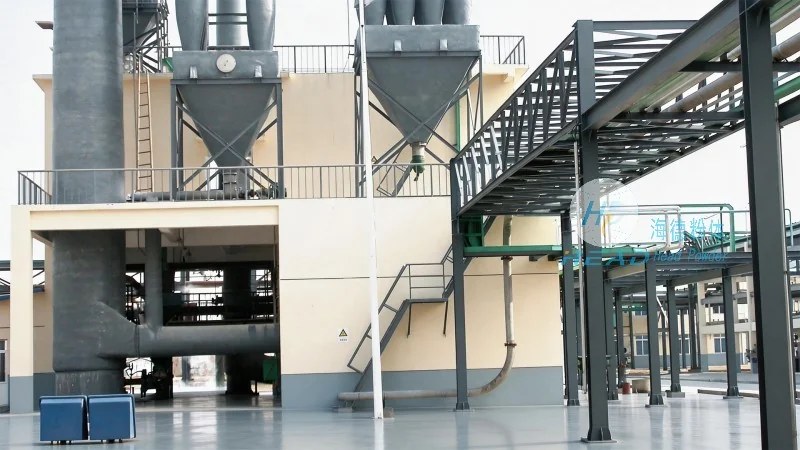
Pneumatic conveying systems transport bulk materials like carbon powder using air or other gases as the conveying medium. The design of these systems is critical to achieving efficient material transport, minimizing product degradation, and ensuring system reliability. A well-designed system balances several factors, including the physical properties of the carbon powder, the required conveying distance and capacity, and the operational environment.
Key Design Factors for Carbon Powder Systems
Several critical factors must be considered when designing a carbon powder pneumatic conveying system. These include:
1. System Type Selection: Dilute Phase vs. Dense Phase
The choice between dilute phase and dense phase pneumatic conveying depends on the characteristics of the carbon powder and the application requirements. Dilute phase systems use low air velocities and are suitable for short to medium distances and low to medium particle sizes. Dense phase systems, on the other hand, operate at higher pressure and lower air velocities, making them ideal for handling abrasive or sensitive carbon powders over longer distances. The selection of the system type directly impacts the system's energy consumption, material handling capacity, and overall cost.
2. Pressure and Flow Rate Considerations
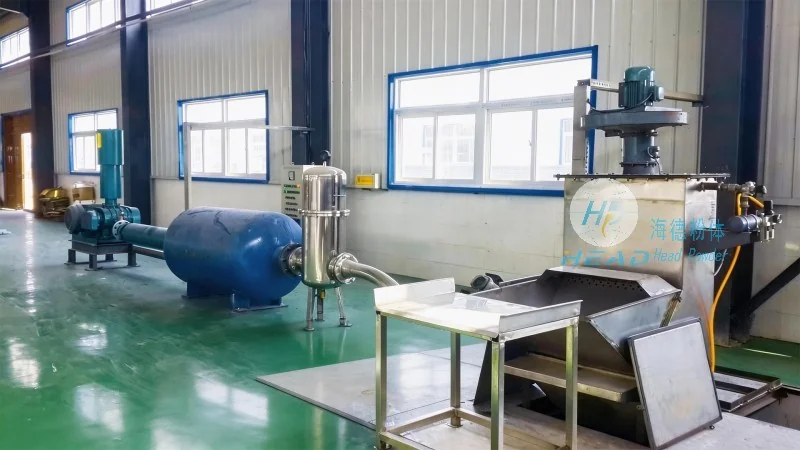
Pressure levels and flow rates are fundamental to the performance of a pneumatic conveying system. High-pressure systems are typically used for long-distance or high-capacity applications, while low-pressure systems are suitable for short distances and lower capacities. The flow rate must be optimized to prevent material buildup or excessive wear on system components. Proper calculation of air volume and pressure is essential to ensure efficient material transport without causing excessive energy consumption or equipment stress.
3. Carbon Powder Properties and Their Impact on Design
The physical and chemical properties of carbon powder, such as particle size distribution, density, moisture content, and flowability, significantly influence the design of the pneumatic conveying system. For instance, fine carbon powders may require higher air velocities to prevent clogging, while cohesive or hygroscopic powders may need additional measures like fluidization or anti-static treatment to ensure smooth transport. Understanding these properties allows engineers to select appropriate equipment, such as feeders, cyclones, and filters, that can handle the specific characteristics of the carbon powder.
4. Pipeline Design and Layout
The design of the conveying pipeline is crucial for maintaining system efficiency and preventing material deposition. The pipeline should be sized appropriately to accommodate the required flow rate and pressure drop. The use of smooth, corrosion-resistant materials like stainless steel or PTFE is recommended to minimize friction losses and prevent material buildup. Additionally, the layout should include appropriate bends, expansions, and contractions to maintain consistent air velocity and prevent particle separation or clogging. Properly designed pipeline systems ensure that the carbon powder is conveyed smoothly and without degradation.
5. Equipment Selection and Integration
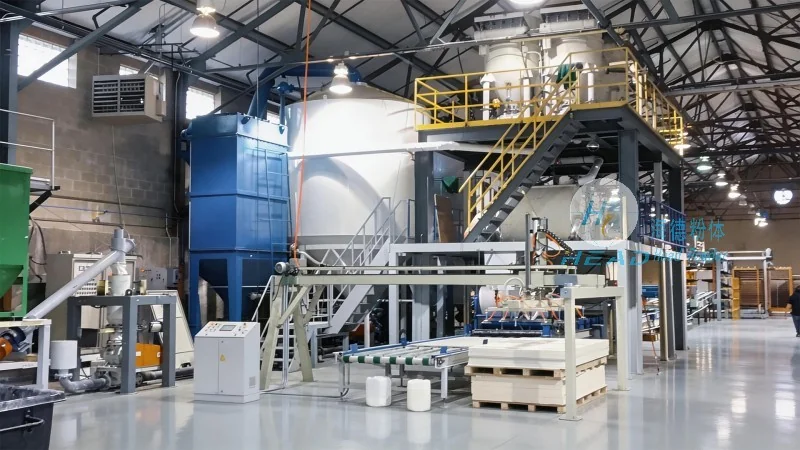
Key equipment components, including feeders, air movers (blowers or compressors), cyclones, and filters, must be selected based on the specific requirements of the carbon powder application. Feeders, such as rotary valves or screw feeders, ensure a consistent and controlled material feed rate, which is critical for maintaining system stability. Air movers provide the necessary pressure and flow to transport the carbon powder through the pipeline. Cyclones and filters are essential for separating the carbon powder from the air stream and preventing dust emissions. The integration of these components must be optimized to ensure seamless operation and minimal downtime.
Ensuring System Reliability and Maintenance
Proper maintenance and regular inspections are vital to the long-term performance and reliability of a carbon powder pneumatic conveying system. Regular cleaning of the pipeline, cyclones, and filters prevents material buildup and ensures efficient operation. Monitoring of pressure, flow rate, and temperature helps identify potential issues before they lead to system failures. Additionally, using high-quality, corrosion-resistant materials and components reduces the risk of wear and tear, extending the system's lifespan. Regular maintenance schedules and training for operators ensure that the system operates at peak efficiency and meets the required safety standards.
Conclusion
Designing an efficient and reliable carbon powder pneumatic conveying system requires careful consideration of various factors, including system type, pressure and flow rates, carbon powder properties, pipeline design, and equipment selection. By addressing these considerations, manufacturers can ensure optimal performance, minimize operational costs, and extend the system's lifespan. Shandong HeadPowder Engineering Co., Ltd. specializes in providing customized solutions that meet the specific needs of carbon powder handling applications, ensuring that clients achieve their material transport goals with minimal issues and maximum efficiency.