

Design Considerations for Coal Ash Pneumatic Conveying Systems
When designing a coal ash pneumatic conveying system, it is crucial to consider multiple factors to ensure efficiency, reliability, and safety. This article outlines key design considerations for such systems, providing insights into the technical and practical aspects that engineers and project managers should address. The information is presented by Shandong HeadPowder Engineering Co., Ltd., a leading provider of engineering solutions for material handling systems, with operations based in Shandong, China.
System Selection and Material Characteristics
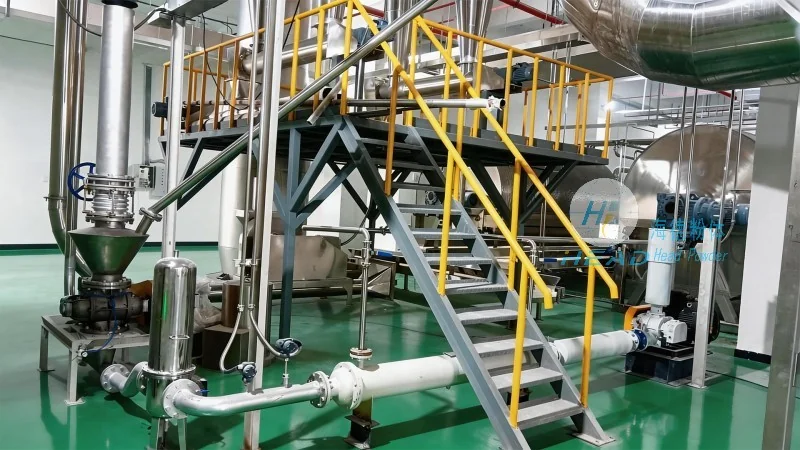
The first step in designing a coal ash pneumatic conveying system is to select the appropriate system type based on the material characteristics and operational requirements. Coal ash, being a fine particulate material, has specific properties that influence the choice of conveying method. Key factors include particle size distribution, moisture content, density, and abrasiveness. For example, systems designed for high-temperature ash may require special materials of construction to withstand thermal stress. The company, HeadPowder, specializes in customizing systems that match the unique properties of coal ash, ensuring optimal performance and longevity.
Equipment Selection and Component Specifications
Choosing the right equipment components is critical for the successful operation of a coal ash pneumatic conveying system. This includes the selection of blowers, cyclones, filters, and conveying lines. The blower must be capable of providing sufficient air volume and pressure to transport the ash efficiently. Cyclones are used for separation and collection, and their design must be optimized for the specific particle size and density of the ash. Filters are essential for maintaining air quality and preventing dust emissions. The company's engineers at Shandong HeadPowder Engineering Co., Ltd. conduct thorough calculations and simulations to determine the appropriate specifications for each component, ensuring that the system operates within safe and efficient parameters.
System Layout and Installation Considerations
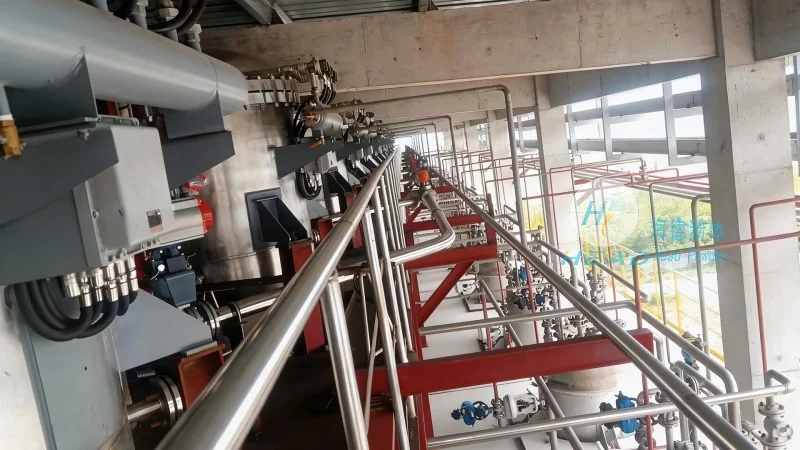
The layout of the coal ash pneumatic conveying system plays a significant role in its performance and maintenance. Proper planning of the system's route, including vertical and horizontal runs, is essential to minimize pressure losses and ensure smooth material flow. The system should be installed with adequate space for maintenance and access to components. Additionally, the location of the system, considering factors like ambient temperature and humidity, can impact the performance of the equipment. The company emphasizes the importance of a well-designed layout that balances operational efficiency with ease of maintenance, as this directly affects the system's overall lifespan and reliability.
Safety and Environmental Considerations
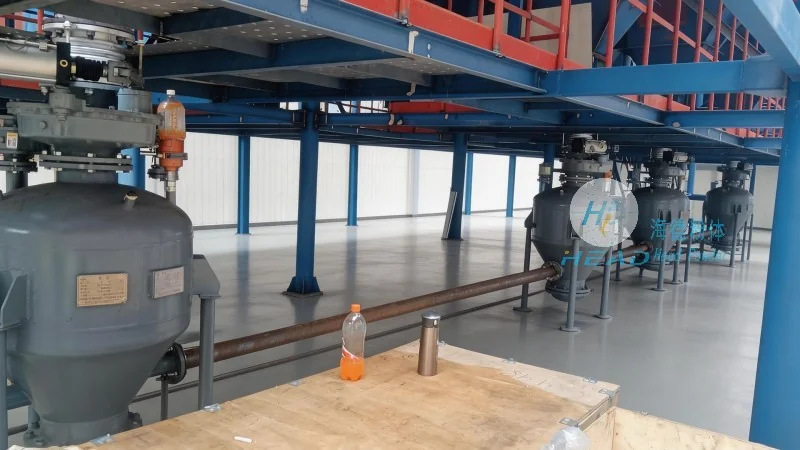
Ensuring safety and compliance with environmental regulations is a top priority when designing coal ash pneumatic conveying systems. Coal ash can be a fine dust, posing inhalation risks if not properly contained. The system must include features such as dust collection and filtration to minimize emissions. Additionally, the system should be equipped with safety devices like pressure relief valves and emergency shut-off mechanisms to prevent accidents. The company adheres to strict safety standards and environmental regulations, ensuring that their systems meet or exceed industry requirements. This commitment to safety and environmental responsibility is a key differentiator for HeadPowder, as it protects both personnel and the environment.
Maintenance and Operational Guidelines
Proper maintenance is essential to keep a coal ash pneumatic conveying system running smoothly and efficiently. Regular inspections of components such as blowers, cyclones, and filters are necessary to identify and address potential issues before they become major problems. The company provides detailed maintenance schedules and guidelines for their systems, helping clients to maximize uptime and minimize downtime. Additionally, operational guidelines, such as the recommended air pressure and flow rates, should be followed to ensure optimal performance. By adhering to these guidelines, users can extend the life of their equipment and maintain consistent material handling performance.