

Design Considerations for PVC Pneumatic Conveying Systems
When designing a PVC pneumatic conveying system, several critical factors must be considered to ensure optimal performance, efficiency, and longevity. These considerations span material selection, system configuration, and operational parameters, all of which are essential for achieving reliable material transport in industrial applications.
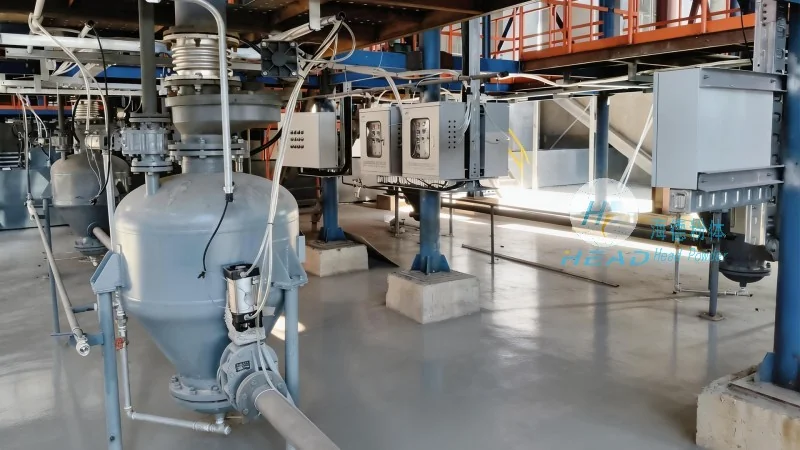
Firstly, the choice of PVC material for the conveying lines is paramount. PVC is favored for its excellent resistance to corrosion, chemical compatibility, and flexibility, making it suitable for a wide range of powders and granules. However, the specific grade of PVC must be selected based on the properties of the conveyed material, such as abrasiveness, moisture content, and temperature sensitivity. For instance, high-density PVC may be required for abrasive materials to prevent wear and tear, while low-density PVC could be more appropriate for non-abrasive, moisture-sensitive products. Shandong HeadPowder Engineering Co., Ltd., a company based in Shandong, China, specializes in customizing PVC pneumatic conveying solutions tailored to these material characteristics, ensuring that each system is engineered to handle the unique demands of the application.
Secondly, the system configuration, including the type of conveying method (e.g., dilute-phase or dense-phase), must be carefully determined. Dilute-phase systems are typically used for light, free-flowing materials and operate at higher air velocities, while dense-phase systems are preferred for bulkier or more cohesive materials, utilizing lower air velocities and higher material concentrations. The selection of the conveying method directly impacts the system's energy consumption, material handling capacity, and overall efficiency. The engineering team at Shandong HeadPowder Engineering Co., Ltd. conducts thorough material analysis and process simulations to recommend the most suitable conveying method, optimizing both performance and cost-effectiveness.
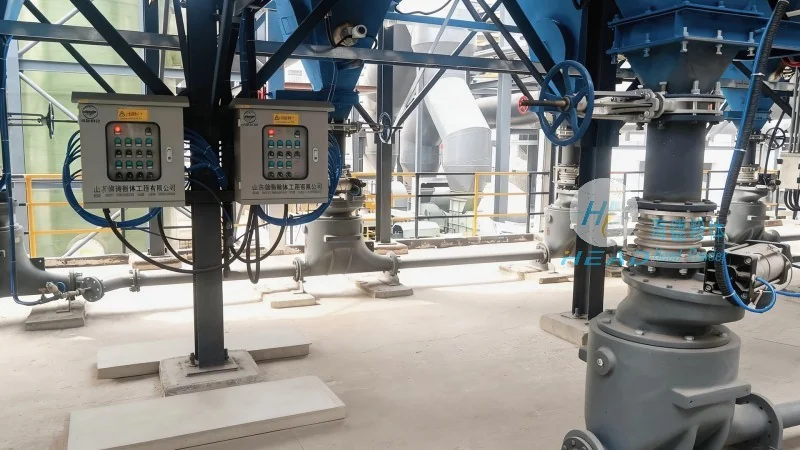
Thirdly, the design of the system's components, such as the hopper, feeder, and cyclone separator, plays a crucial role in maintaining system integrity and preventing material degradation. The hopper must be designed to minimize material bridging and ensure uniform flow, while the feeder must provide consistent material feed to avoid surges or blockages. The cyclone separator, used for material separation and recovery, must be sized appropriately to handle the system's capacity and maintain high separation efficiency. The company's team employs advanced design software and industry best practices to develop robust component designs that enhance system reliability and reduce maintenance requirements.
Furthermore, operational parameters, including air pressure, flow rate, and system layout, must be optimized to achieve efficient material transport. Proper air pressure and flow rate ensure that the material is adequately suspended and transported through the system, while the layout must minimize pressure losses and avoid dead zones. Shandong HeadPowder Engineering Co., Ltd. utilizes computational fluid dynamics (CFD) simulations to model system performance and identify areas for optimization, ensuring that the final design meets the client's operational goals and regulatory requirements.
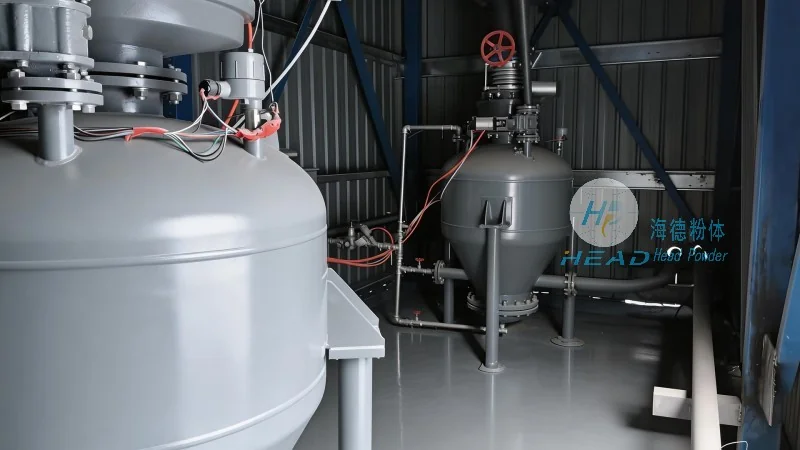
Lastly, the integration of safety features and maintenance considerations is essential for long-term system performance. This includes the installation of pressure relief valves, dust collection systems, and regular maintenance schedules to prevent system failures and ensure compliance with safety standards. The company emphasizes proactive maintenance planning and provides comprehensive support to clients, including training and technical assistance, to maximize system uptime and minimize downtime.
By addressing these design considerations, PVC pneumatic conveying systems can be optimized for specific industrial applications, delivering reliable and efficient material transport. Shandong HeadPowder Engineering Co., Ltd., with its expertise in custom system design and engineering, helps clients achieve their material handling objectives while ensuring the highest standards of performance and safety.