

Components of Cassava Pneumatic Conveying Systems
Cassava, a staple crop in many tropical and subtropical regions, is often processed into various products like starch, flour, and ethanol. Efficient handling and transport of cassava are crucial for industrial processing operations. Pneumatic conveying systems have emerged as a reliable method for moving cassava and its byproducts through production lines. Understanding the components that make up these systems is essential for optimizing performance, ensuring safety, and maintaining operational efficiency.
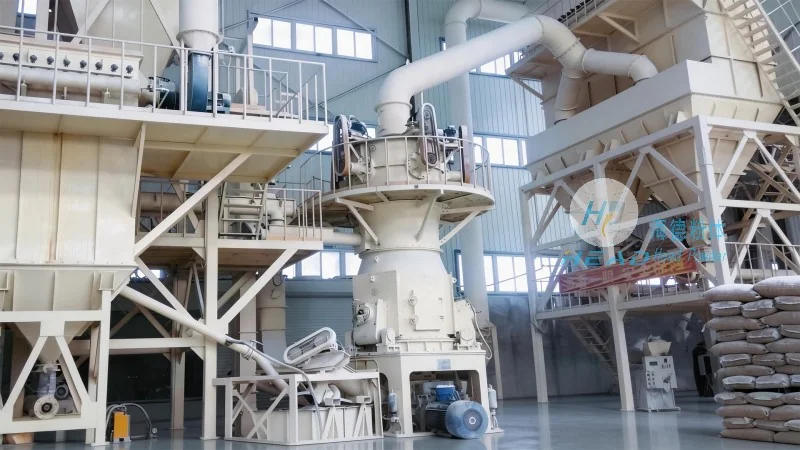
Key Components of Cassava Pneumatic Conveying
The core elements of a cassava pneumatic conveying system work in tandem to facilitate the movement of material using air pressure. Each component plays a specific role in the overall process, contributing to the system's effectiveness and reliability.
The Air Supply System: The Driving Force
The air supply system is the heart of any pneumatic conveying setup. It typically includes a blower or compressor that generates the necessary airflow to transport cassava particles. For cassava, which can be abrasive and have varying moisture content, selecting the right type of air mover is critical. Centrifugal blowers are commonly used due to their ability to handle large volumes of air at lower pressures, making them suitable for bulk material transport. The air supply system also incorporates filters and moisture control mechanisms to ensure the air remains clean and dry, preventing damage to the system and maintaining product quality.
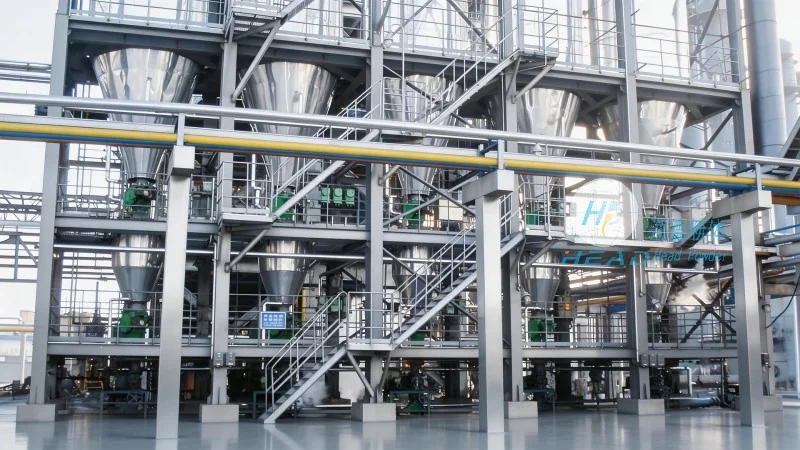
Material Feeders and Hoppers: Ensuring Consistent Input
Material feeders and hoppers are responsible for feeding cassava into the conveying line. Hoppers are large containers that store the raw cassava, while feeders regulate the flow of material into the system. For cassava, which may be in the form of chips, flour, or pellets, different feeder types are employed. Screw feeders are ideal for handling dry, free-flowing cassava flour, while vibratory feeders are better suited for larger cassava pieces or chips. The design of the hopper and feeder must account for the material's bulk density and flow characteristics to avoid blockages and ensure a steady supply to the conveying line.
Conveying Pipes and Tubing: The Pathway for Transport
The conveying pipes or tubing form the main channel through which cassava is transported. These pipes are usually made of materials resistant to abrasion and corrosion, such as stainless steel or high-density polyethylene (HDPE). The diameter and length of the pipes are carefully selected based on the material's particle size, flow rate, and the required conveying distance. For cassava, which can be abrasive, stainless steel is preferred to prevent wear and maintain system integrity. The pipe system may also include bends, elbows, and straight sections, with each component designed to minimize pressure loss and maintain the air-material mixture's velocity.
Control Valves and Regulators: Managing Airflow and Pressure
Control valves and regulators are essential for managing the air pressure and flow within the pneumatic conveying system. These components allow operators to adjust the system's performance based on the material being handled and the operational conditions. For example, a pressure regulator can maintain a consistent air pressure, preventing fluctuations that could lead to system inefficiencies or damage. Control valves, such as butterfly or ball valves, are used to start, stop, or redirect the airflow, enabling precise control over the conveying process. Proper regulation of airflow and pressure is crucial for maintaining the velocity of the air-material mixture and ensuring efficient transport.
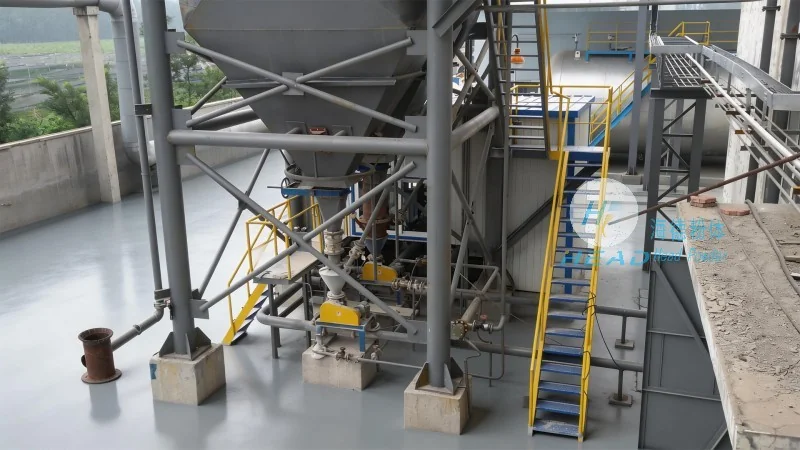
Filters and Dust Collection: Ensuring Environmental Compliance
As cassava is processed, it can generate dust and particulate matter, which poses environmental and health risks. Filters and dust collection systems are integral to maintaining compliance with environmental regulations and protecting personnel. The system typically includes a cyclone separator or bag filter that captures the fine particles from the exhaust air. For cassava, which may have a high starch content, the filter media must be chosen to prevent clogging and ensure effective filtration. The collected dust is then disposed of or repurposed, reducing waste and maintaining a clean working environment. Proper maintenance of the filtration system is essential to prevent system failures and ensure continuous operation.
About Shandong HeadPowder Engineering Co., Ltd.
Shandong HeadPowder Engineering Co., Ltd., a leading provider of industrial processing solutions, specializes in designing and manufacturing pneumatic conveying systems tailored to the needs of cassava processing industries. With years of experience in the field, the company has developed expertise in handling the unique challenges associated with cassava, including its abrasive nature and varying moisture content. The company's team of engineers and technicians work closely with clients to understand their specific requirements and provide customized solutions that enhance operational efficiency and product quality. HeadPowder's commitment to quality and innovation has made it a trusted partner for businesses in the cassava processing sector, helping them optimize their production processes and achieve their operational goals.