

What Comprises Pulp Pneumatic Conveying
When it comes to the efficient and reliable transportation of pulp materials, understanding the core components of a pneumatic conveying system is essential. Pulp pneumatic conveying systems are designed to move bulk materials like paper pulp through a pipeline using air pressure or vacuum. The key components that make up such a system are crucial for ensuring optimal performance, safety, and efficiency in industrial applications.
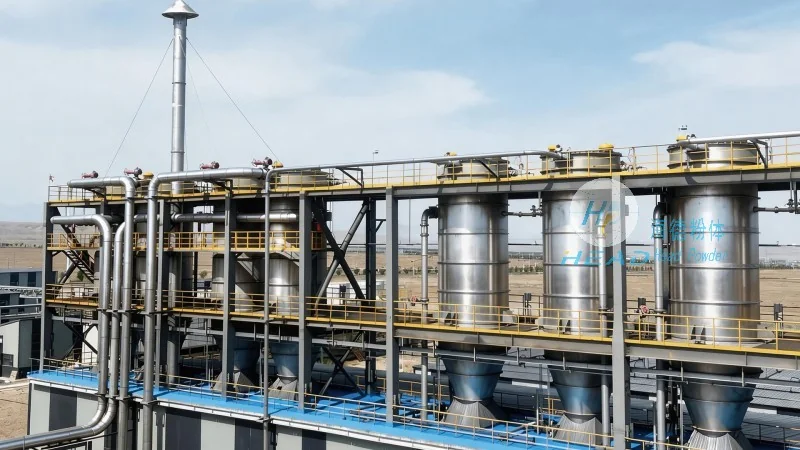
Core Components of Pulp Pneumatic Conveying Systems
A pneumatic conveying system for pulp typically consists of several interconnected parts. The main components include the material feed hopper, the conveyor pipeline, the air supply system (either positive pressure or negative pressure), and the control and monitoring equipment. Each component plays a vital role in the overall operation of the system.
The material feed hopper is responsible for storing and feeding the pulp into the conveying line. It often features a design that minimizes material buildup and ensures a consistent flow rate. The hopper may include a feeder mechanism, such as a rotary valve or a screw feeder, to regulate the amount of material entering the pipeline. This component is critical for maintaining a steady flow and preventing blockages.
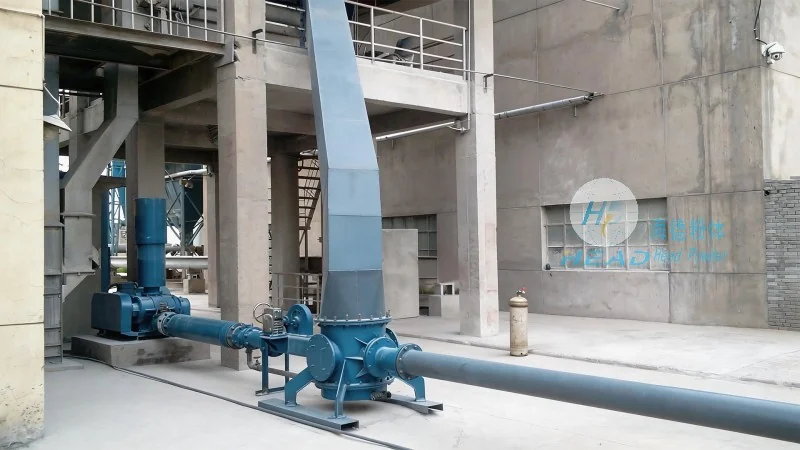
The conveyor pipeline is the central part of the system, where the pulp is transported. It is usually made of materials like stainless steel or plastic, chosen for their resistance to corrosion and durability in handling pulp. The pipeline may include bends, elbows, and straight sections, with appropriate fittings to connect different parts. The design of the pipeline affects the system's efficiency and the risk of material degradation or blockage.
The air supply system provides the necessary pressure or vacuum to move the pulp through the pipeline. In positive pressure systems, compressed air is used to push the material forward, while in negative pressure systems, a vacuum is created to draw the material. The air supply may include a blower or a fan, along with air filters and regulators to ensure clean and controlled air flow. Proper air management is essential to prevent dust emissions and maintain system efficiency.
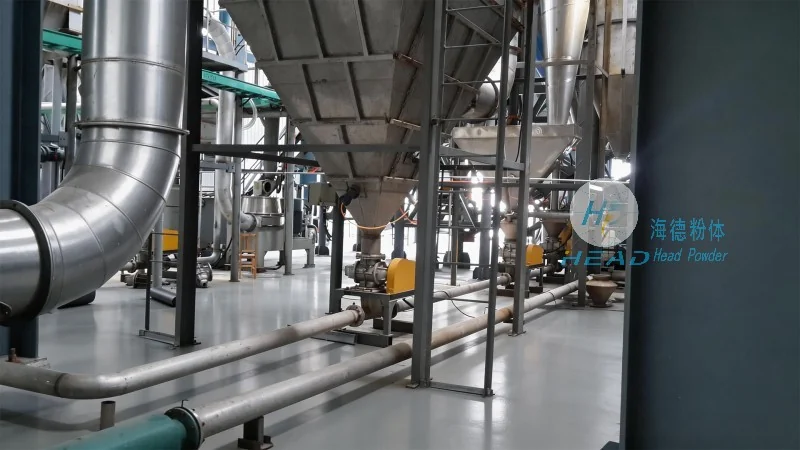
Control and monitoring equipment is vital for managing the operation of the pneumatic conveying system. This includes sensors for measuring pressure, flow rate, and material level, as well as control valves and a central control panel. These components allow operators to monitor the system's performance in real-time and make adjustments as needed. Advanced systems may also include automation features to optimize operation and reduce downtime.
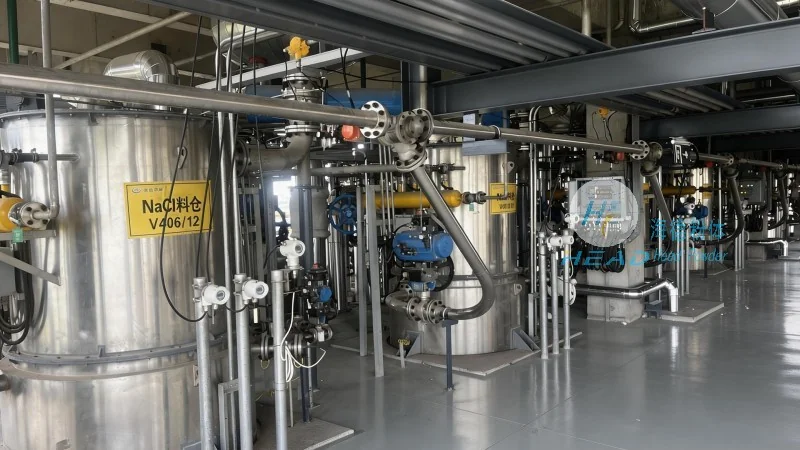
About Shandong HeadPowder Engineering Co., Ltd.
HeadPowder, the professional manufacturer behind these advanced pneumatic conveying solutions, is a leading company in the field of material handling equipment. With a strong focus on innovation and quality, HeadPowder specializes in designing and manufacturing customized pneumatic conveying systems tailored to the specific needs of the pulp and paper industry. The company's headquarters is located in Shandong, China, where it leverages local expertise and resources to deliver high-performance solutions.
HeadPowder's team of engineers and technicians brings extensive experience in pneumatic conveying technology, ensuring that each system is engineered to meet the highest standards of efficiency, reliability, and safety. The company's commitment to customer satisfaction is reflected in its comprehensive after-sales support, including installation, maintenance, and technical assistance. By partnering with HeadPowder, businesses can benefit from reliable and efficient pulp transportation solutions that enhance productivity and reduce operational costs.