

Clay Pneumatic Conveying Technology: Principles, Applications, and Development Trends
Clay pneumatic conveying technology represents a specialized approach to transporting clay materials through pipelines using air pressure. This method is widely adopted across various industrial sectors due to its efficiency in handling fine, dusty, or abrasive clay particles. The technology leverages the principle of air movement to move material, ensuring a continuous and controlled flow. Understanding the underlying principles, practical applications, and emerging trends of this technology is essential for industries that rely on clay processing and material handling.
Company Profile
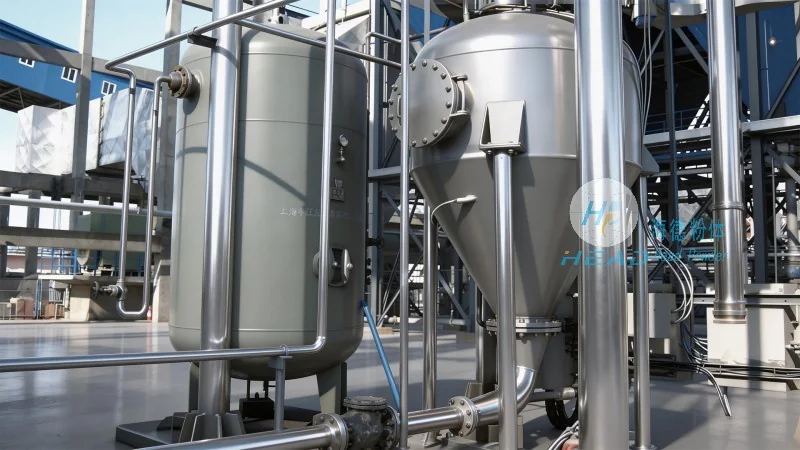
Shandong HeadPowder Engineering Co., Ltd., commonly referred to as HeadPowder, is a leading enterprise in the field of material handling solutions. The company specializes in the design, manufacturing, and implementation of advanced pneumatic conveying systems, including those tailored for clay and similar materials. HeadPowder is committed to delivering high-performance equipment that meets the diverse operational needs of industrial clients. The company’s headquarters is situated in Shandong, China, where it operates a comprehensive research and development center and production facility, enabling continuous innovation and quality control.
Core Principles of Clay Pneumatic Conveying
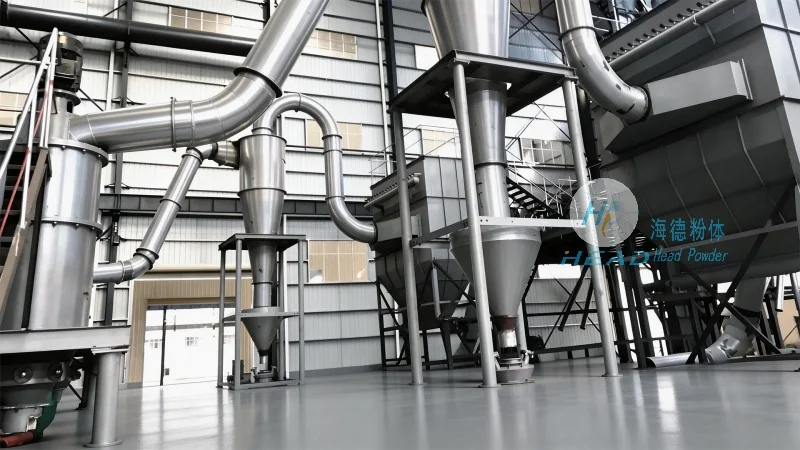
The fundamental principle of clay pneumatic conveying involves creating a pressurized air flow within a pipeline that transports the clay particles. This is typically achieved through positive pressure systems, where an air compressor forces air into the pipeline, carrying the material along. The process relies on balancing air velocity with the size and density of clay particles to ensure efficient transport without clogging or degradation. Key components of the system include the material feed hopper, air compressor, conveying pipeline, and discharge unit. The feed hopper ensures a consistent supply of clay, while the air compressor generates the necessary pressure. The pipeline design is critical, as it must be sized and configured to accommodate the specific characteristics of the clay, such as particle size distribution and moisture content. Proper air velocity is essential to maintain a stable flow and prevent particle settling. The discharge unit then separates the clay from the air, allowing for collection in a designated container or processing area.
Industrial Applications
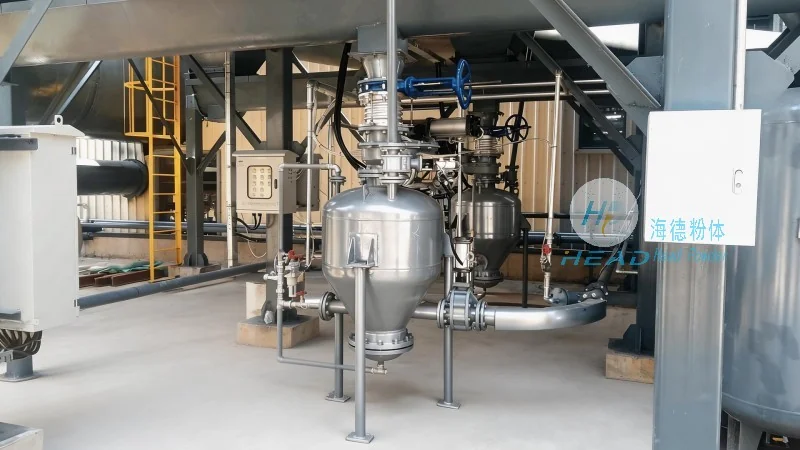
Clay pneumatic conveying technology finds extensive application in multiple industrial sectors. In the ceramics industry, it is used to transport raw clay from storage to processing facilities, ensuring a clean and dust-free environment. The technology is also vital in the construction industry for handling clay-based materials like kaolin, which are essential for manufacturing bricks, tiles, and other building components. Additionally, in the chemical and pharmaceutical industries, clay is utilized as a filler or filter aid, and pneumatic conveying systems facilitate the safe and efficient transfer of these materials. The ability to handle fine particles and maintain product integrity makes this technology particularly valuable in these applications. For instance, in ceramic production, the conveying system can transport clay from mining sites to factories without manual handling, reducing labor costs and improving operational efficiency. In construction, the system helps deliver clay-based raw materials to production lines, ensuring consistent quality and minimizing downtime due to material handling issues.
Future Trends and Technological Advancements
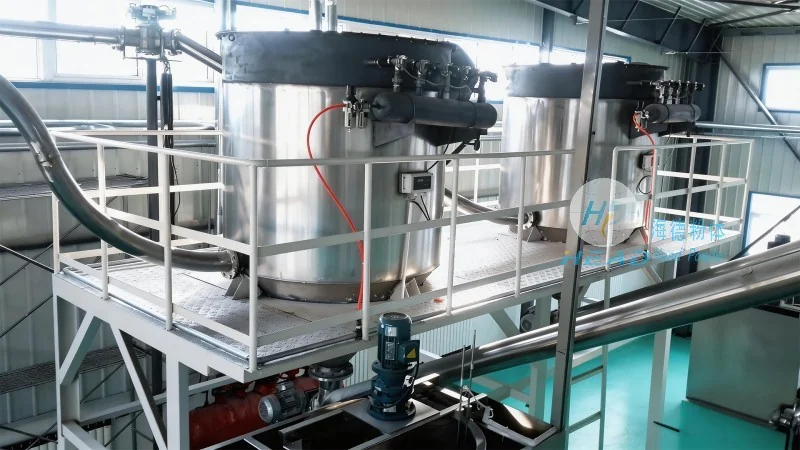
The field of clay pneumatic conveying is evolving with technological advancements. One significant trend is the integration of automation and control systems, which enhance the precision and reliability of the conveying process. Modern systems often incorporate sensors and monitoring devices that track air pressure, flow rate, and material levels, enabling real-time adjustments and preventing system failures. Another trend is the development of more energy-efficient solutions, such as variable speed air compressors and optimized pipeline designs, which reduce operational costs and environmental impact. Research is also focused on improving the handling of high-moisture or sticky clay, through the use of additives or specialized conveying methods that prevent clogging. The adoption of digital twins and predictive maintenance technologies is emerging, allowing for proactive system maintenance and extending equipment lifespan. These advancements are expected to further enhance the efficiency and sustainability of clay pneumatic conveying systems, making them even more integral to industrial operations.