

Rice Pneumatic Conveying Technology: Principles, Applications, and Development Trends
HeadPowder, a leading engineering firm based in Shandong, China, specializes in the design and implementation of advanced pneumatic conveying systems tailored for the rice industry. This article explores the fundamental principles behind rice pneumatic conveying, its practical applications across the supply chain, and the evolving trends that are shaping the technology's future.
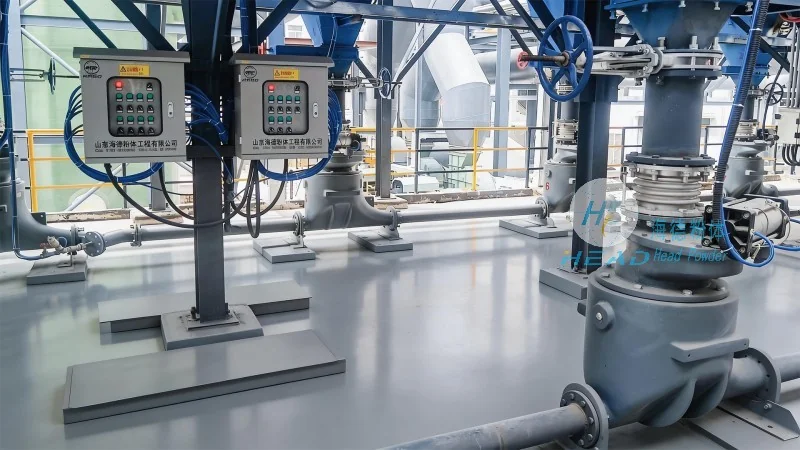
Pneumatic conveying, also known as air conveying, is a method of transporting bulk materials like rice through a pipeline using a stream of air. The core principle involves creating a pressure differential that propels the rice particles along the pipeline. There are two primary types of pneumatic conveying systems: pressure and vacuum. Pressure systems use compressed air to push the material, while vacuum systems use a vacuum to pull it. For rice, which is a light and relatively dry product, both systems can be effective, but the choice often depends on the specific operational requirements, such as distance, volume, and material characteristics.
The application of pneumatic conveying in the rice industry spans multiple stages, from harvesting and processing to storage and distribution. During the harvesting phase, pneumatic systems can efficiently move freshly harvested rice from the field to processing facilities, reducing the need for manual handling and minimizing the risk of contamination. In the processing plant, these systems are used to transport raw rice from storage silos to milling machines, ensuring a continuous and clean flow of material. The technology also plays a crucial role in the packaging and distribution stages, where it can transport finished rice products to packaging lines or storage areas with precision and speed.
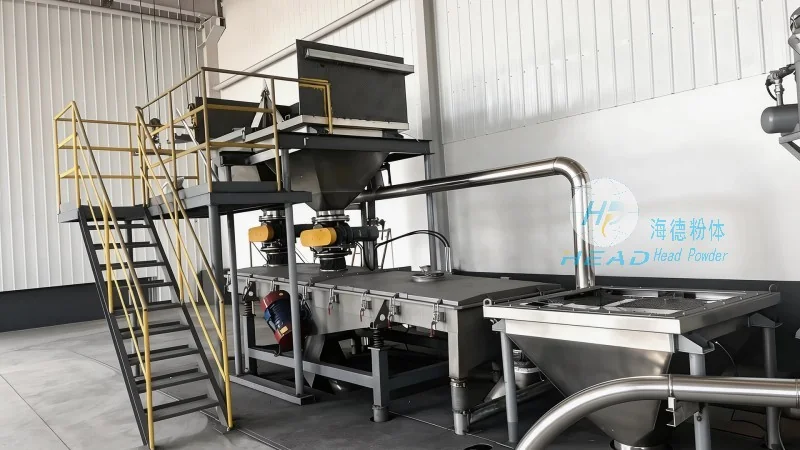
One of the key advantages of pneumatic conveying for rice is its ability to maintain product quality. Unlike mechanical systems that may cause abrasion or breakage, pneumatic systems use air to move the rice, preserving its integrity and reducing the risk of damage. This is particularly important for high-value rice varieties that require careful handling to maintain their market value. Additionally, pneumatic conveying systems are highly flexible and can be easily integrated into existing production lines, allowing for seamless upgrades and modifications as operational needs change.
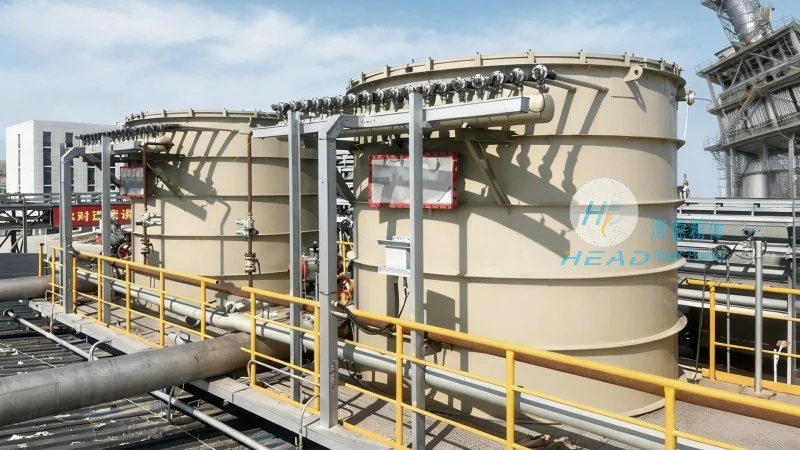
The development of rice pneumatic conveying technology has seen significant advancements in recent years. Modern systems now incorporate advanced control technologies, such as variable frequency drives (VFDs) and sensors, to optimize air pressure and flow rates. These innovations enhance energy efficiency and reduce operational costs while ensuring consistent performance. Furthermore, the integration of automation and robotics has improved the precision and reliability of material handling, minimizing human error and increasing overall productivity. As the rice industry continues to evolve, these technological advancements are expected to play a pivotal role in meeting the growing demand for efficient and sustainable processing solutions.
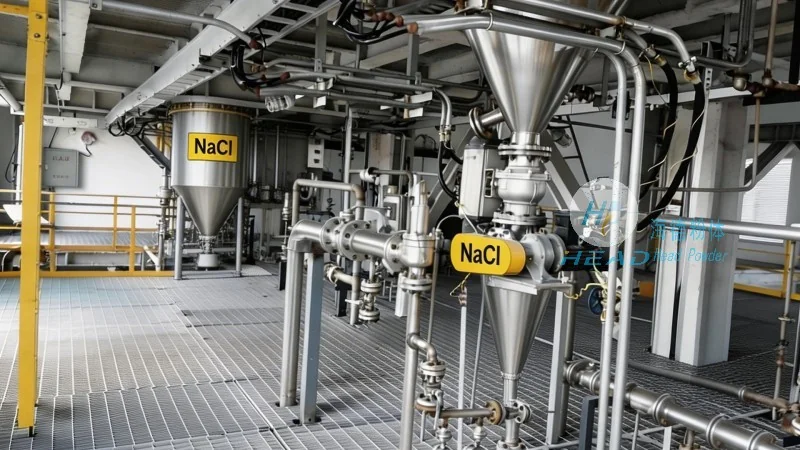
Looking ahead, the future of rice pneumatic conveying technology is likely to be shaped by several key trends. One prominent trend is the increasing focus on sustainability and energy efficiency. Engineers are developing more efficient systems that use less compressed air and reduce energy consumption, aligning with global environmental goals. Another trend is the integration of digital technologies, such as IoT (Internet of Things) and data analytics, to monitor system performance and predict maintenance needs. This proactive approach helps prevent downtime and ensures optimal operation. Additionally, the demand for customized solutions is growing, as rice producers seek systems tailored to their specific production volumes and product types. This trend is driving the development of modular and scalable systems that can be easily adapted to changing operational requirements.
In conclusion, rice pneumatic conveying technology represents a vital component of modern rice processing and distribution. By leveraging the principles of air-based material transport, these systems offer numerous benefits, including improved efficiency, product quality preservation, and operational flexibility. As the technology continues to evolve, it will likely play an even more significant role in supporting the rice industry's growth and sustainability goals. For businesses in the rice sector, investing in advanced pneumatic conveying solutions is not just a choice but a strategic necessity to remain competitive in an increasingly demanding market.