

Bean Pod Pneumatic Conveying Technology: Principles, Applications, and Development Trends
Bean pod pneumatic conveying technology represents a sophisticated method for the efficient handling and transportation of bean pods. This technology is integral to modern agricultural processing, offering a solution that combines efficiency, reliability, and adaptability in the movement of bulk materials. The core principle of pneumatic conveying involves the use of air to transport solid particles, such as bean pods, through a pipeline system. By leveraging air pressure and flow dynamics, the technology enables seamless transfer from storage or processing units to subsequent stages of production.
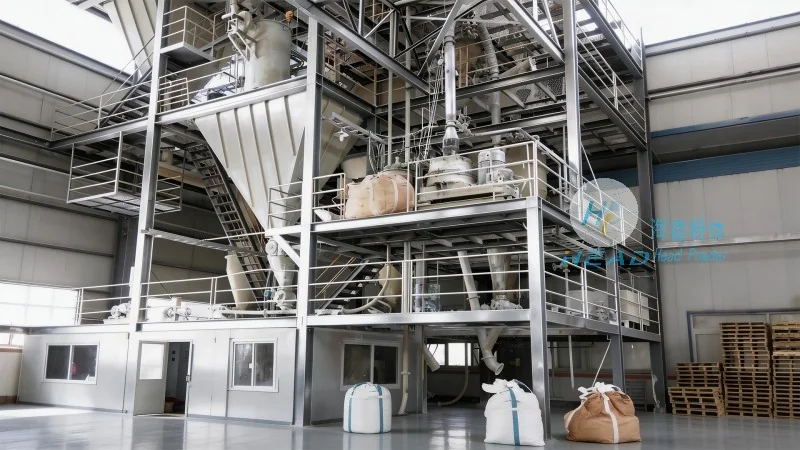
Principles of Pneumatic Conveying in Bean Pod Handling
The fundamental principles of pneumatic conveying for bean pods revolve around the interaction between air and the solid material. In a typical system, air is introduced into a hopper or storage container, creating a flow that lifts and transports the bean pods through a pipeline. The system can operate under either positive pressure (where air is forced into the system) or negative pressure (where air is drawn out, creating a vacuum). The choice of pressure type depends on factors like the distance to be covered, the volume of material, and the physical characteristics of the bean pods. Key components in such a system include the hopper, air compressor or vacuum pump, conveying pipeline, and discharge equipment. The design of these components is critical to ensure optimal performance, minimizing material degradation and energy consumption.
Applications of Bean Pod Pneumatic Conveying
Bean pod pneumatic conveying technology finds extensive applications across various stages of bean pod processing. In agricultural settings, it is used for the initial transfer of harvested bean pods from fields to storage facilities, ensuring quick and hygienic handling. During processing, the technology facilitates the movement of bean pods from cleaning and sorting units to grinding or milling equipment. This is particularly beneficial in large-scale processing plants where traditional methods like belt conveyors may be less efficient or suitable. The technology also supports the transfer of bean pods to packaging lines, where they are prepared for distribution. Additionally, in research and development contexts, pneumatic conveying systems are used to transport bean pods for quality testing and analysis, enabling precise measurement of moisture content, pod size, and other critical parameters.
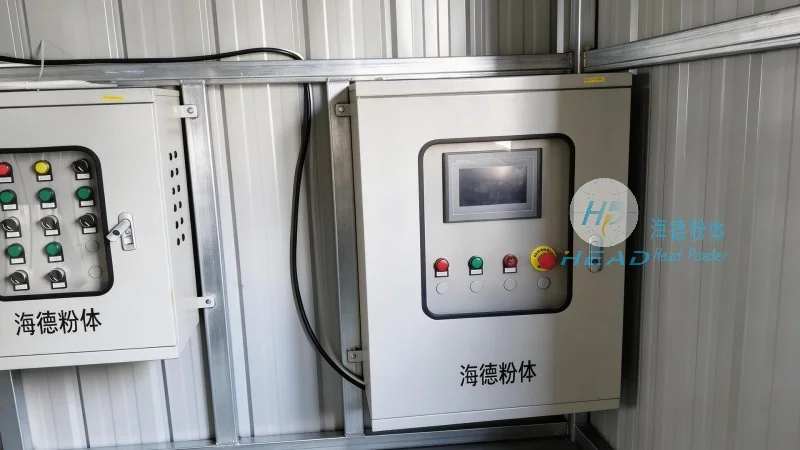
Key Advantages of Pneumatic Conveying for Bean Pods
Several advantages make pneumatic conveying an attractive option for bean pod handling. Firstly, it offers a dust-free and hygienic environment, which is crucial for maintaining the quality and safety of the product, especially when processing for food or feed applications. Unlike mechanical conveyors, which can cause abrasion and damage to the bean pods, pneumatic systems minimize physical stress, preserving the integrity of the pods. Secondly, the technology provides high efficiency in terms of material throughput, allowing for continuous operation and reduced downtime. This is particularly important in industrial settings where productivity is a key concern. Thirdly, pneumatic conveying systems are flexible and can be easily integrated into existing processing lines, adapting to changes in production volume or product specifications. The ability to adjust air pressure and flow rates allows for precise control over the conveying process, ensuring optimal performance under varying conditions.
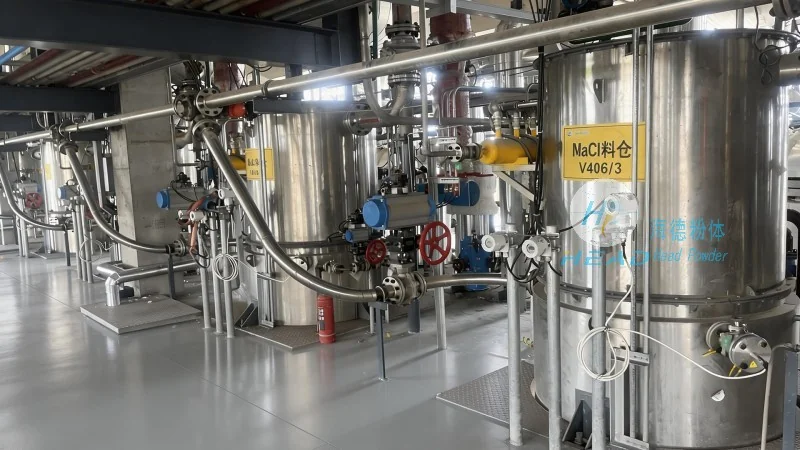
Technological Developments and Future Trends
The field of bean pod pneumatic conveying technology is continuously evolving, driven by advancements in engineering and material science. Recent developments focus on improving energy efficiency and reducing operational costs. Innovations such as variable frequency drives (VFDs) and energy recovery systems are being integrated into modern pneumatic conveying systems to enhance efficiency. These technologies allow for dynamic adjustment of air flow and pressure, matching the system's output to the actual demand, thereby minimizing energy waste. Another trend is the adoption of smart sensors and monitoring systems. These devices provide real-time data on system performance, including pressure, flow rate, and material level, enabling proactive maintenance and optimization. This not only improves operational reliability but also extends the lifespan of the equipment. Furthermore, research is being conducted on the use of advanced materials for pipeline construction, such as corrosion-resistant alloys and high-strength plastics, which enhance durability and reduce maintenance requirements. These developments are expected to further enhance the performance and cost-effectiveness of pneumatic conveying systems for bean pod handling.
Conclusion
Bean pod pneumatic conveying technology represents a vital advancement in the efficient handling and processing of bean pods. By leveraging the principles of air movement, this technology offers significant advantages in terms of efficiency, hygiene, and adaptability. As the agricultural and processing industries continue to evolve, the demand for advanced material handling solutions will grow, and pneumatic conveying is well-positioned to meet these needs. With ongoing technological developments, the future of bean pod pneumatic conveying looks promising, with continued improvements in efficiency, reliability, and cost-effectiveness. Companies like Shandong HeadPowder Engineering Co., Ltd. are at the forefront of these advancements, providing innovative solutions that cater to the diverse needs of the bean pod processing industry.