

Dye Pneumatic Conveying Technology: Principles, Applications, and Development Trends
HeadPowder, a leading enterprise in the field of powder handling and conveying systems, specializes in advanced pneumatic conveying solutions tailored for the dye industry. This article provides an in-depth exploration of dye pneumatic conveying technology, covering its fundamental principles, practical applications, and emerging trends in the industry. By understanding these aspects, stakeholders in the dye manufacturing and processing sectors can make informed decisions regarding the adoption and optimization of such systems.
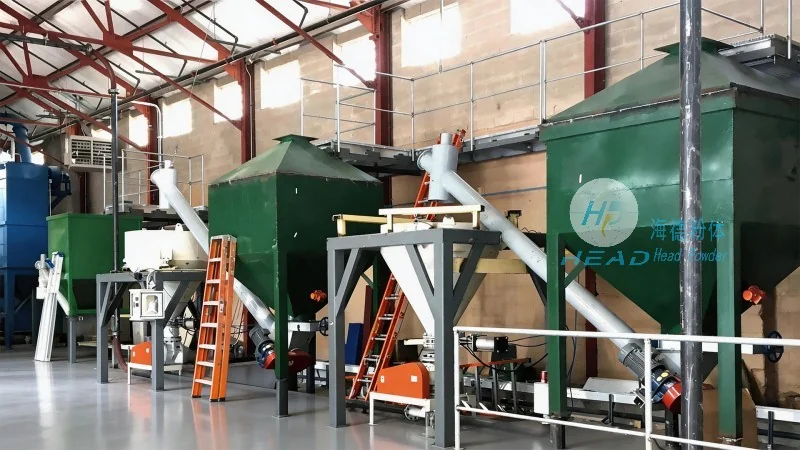
Company Profile: Shandong HeadPowder Engineering Co., Ltd.
HeadPowder, with its headquarters in Shandong, China, is a reputable company dedicated to providing high-quality engineering solutions for powder handling. The company's expertise lies in the design, manufacturing, and implementation of pneumatic conveying systems, particularly those suited for the unique requirements of the dye industry. With a strong commitment to innovation and customer satisfaction, HeadPowder has established itself as a trusted partner for businesses seeking reliable and efficient dye transportation solutions.
Principles of Dye Pneumatic Conveying
Dye pneumatic conveying operates on the principle of transporting solid particles, such as dye powders, through a pipeline using a gas stream, typically air or other suitable gases. The process involves several key components and mechanisms that ensure efficient and safe material transport. The primary principle is the creation of a sufficient pressure differential to generate the necessary flow of material through the system. This is achieved by using either positive pressure (pressure conveying) or negative pressure (vacuum conveying) systems, depending on the specific application and operational requirements.
Positive pressure systems, also known as pressure pneumatic conveying, utilize a blower or compressor to force air through the pipeline, carrying the dye particles along. This method is often preferred for long-distance or high-capacity applications, as it can handle larger quantities of material and maintain consistent flow rates. On the other hand, negative pressure systems, or vacuum conveying, use a vacuum pump to create a low-pressure environment that draws the material into the pipeline. This approach is suitable for shorter distances and applications where the material needs to be transported from multiple sources or where dust control is a priority.
Key Components in Dye Pneumatic Conveying Systems
Effective dye pneumatic conveying systems consist of several critical components that work in tandem to ensure smooth operation. These components include the material feed system, conveying line, air supply unit, and control mechanisms. The material feed system is responsible for introducing the dye powder into the pipeline, often using a hopper or feeder that can handle varying bulk densities and flow rates. The conveying line, typically made of stainless steel or other corrosion-resistant materials, is designed to withstand the abrasive nature of dye powders and maintain hygiene standards. The air supply unit, which may include a blower, compressor, or vacuum pump, provides the necessary gas flow to transport the material. Control mechanisms, such as pressure sensors, flow meters, and valves, allow for precise regulation of the conveying process, ensuring optimal performance and minimizing energy consumption.
Applications of Dye Pneumatic Conveying
Dye pneumatic conveying technology finds extensive applications across various stages of the dye manufacturing and processing chain. In the production phase, it is used to transport raw dye powders from storage silos to processing equipment, ensuring a continuous and controlled supply of material. During the mixing and blending processes, pneumatic conveying facilitates the precise combination of different dye components, allowing for consistent color formulations. In the finishing and packaging stages, the technology is employed to move finished dye products from production lines to storage or shipping areas, enhancing operational efficiency and reducing manual handling risks.
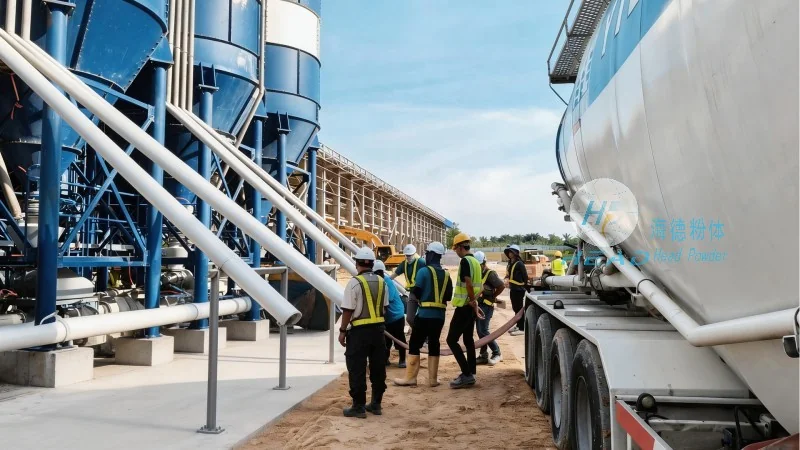
Additionally, dye pneumatic conveying is utilized in quality control and testing applications, where small quantities of dye samples need to be transported to analytical equipment for testing. This method ensures that the samples are handled hygienically and without contamination, maintaining the integrity of the testing process. The versatility of pneumatic conveying systems makes them suitable for both large-scale industrial operations and smaller-scale laboratory applications, catering to the diverse needs of the dye industry.
Advantages of Dye Pneumatic Conveying
Implementing dye pneumatic conveying systems offers numerous advantages over traditional material handling methods. One of the primary benefits is the elimination of manual labor in material transport, reducing the risk of occupational hazards and improving workplace safety. The automated nature of the system also minimizes human error, leading to more consistent and reliable material handling. Furthermore, pneumatic conveying systems are highly efficient in terms of energy consumption, as they can transport large volumes of material with relatively low power input compared to other methods like belt conveyors or bucket elevators.
Another significant advantage is the ability to maintain a dust-free environment, which is crucial in the dye industry where dust can affect product quality and pose health risks. The enclosed pipeline system prevents dust emissions, contributing to better air quality and compliance with environmental regulations. Additionally, the systems are designed to be easy to clean and maintain, reducing downtime and maintenance costs over the long term. The flexibility of pneumatic conveying systems also allows for easy integration with existing production lines, enabling businesses to upgrade their material handling capabilities without major disruptions.
Challenges and Considerations in Dye Pneumatic Conveying
While dye pneumatic conveying offers many benefits, there are also challenges and considerations that must be addressed to ensure optimal performance. One of the main challenges is the potential for material degradation or agglomeration, especially for certain types of dye powders that are prone to sticking or clumping. To mitigate this, systems may include features such as vibration devices or air knives to break up agglomerates and maintain consistent flow. Another consideration is the need for proper system design and sizing, as an incorrectly designed pipeline or air supply unit can lead to inefficient conveying or even system failure.
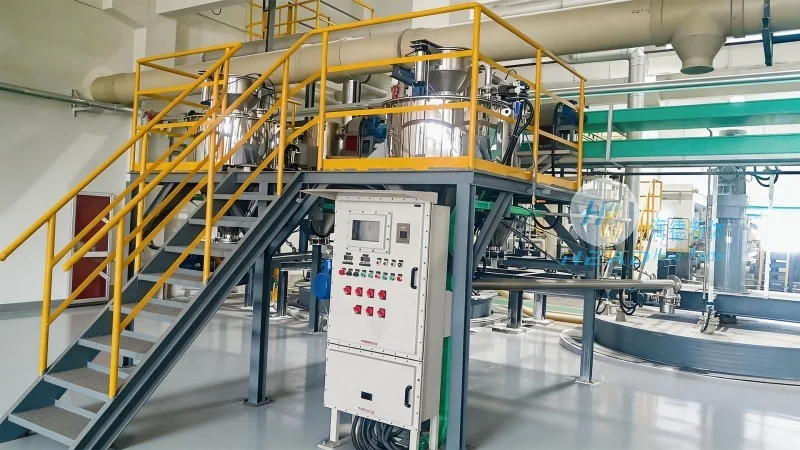
Material compatibility is another critical factor, as the conveying line and components must be resistant to the chemical properties of the dye powders, which may be acidic or alkaline. Stainless steel and other corrosion-resistant materials are commonly used to ensure longevity and prevent contamination. Additionally, the system must be equipped with appropriate filtration and cleaning mechanisms to prevent the buildup of dust and particles in the pipeline, which can affect performance and require regular maintenance.
Emerging Trends in Dye Pneumatic Conveying Technology
The field of dye pneumatic conveying is continuously evolving, with new technologies and innovations emerging to address the changing needs of the industry. One of the notable trends is the integration of automation and digital control systems, which enhance the precision and efficiency of the conveying process. Advanced sensors and control algorithms allow for real-time monitoring of system performance, enabling predictive maintenance and proactive adjustments to optimize operation. This integration also facilitates data collection and analysis, providing valuable insights into system efficiency and potential areas for improvement.
Another trend is the development of more sustainable and energy-efficient systems. Manufacturers are focusing on reducing energy consumption through the use of high-efficiency blowers and compressors, as well as optimizing the system design to minimize pressure losses. Additionally, the adoption of green technologies, such as using compressed air from renewable energy sources or implementing recycling systems for air and material, is gaining traction. These initiatives not only reduce the environmental impact of dye processing but also contribute to cost savings and improved sustainability.
Furthermore, the use of advanced materials and coatings is becoming more prevalent in dye pneumatic conveying systems. New materials with improved resistance to corrosion, abrasion, and chemical exposure are being developed, extending the lifespan of components and reducing maintenance requirements. Coatings and linings are also being applied to internal surfaces of pipelines to prevent material buildup and ensure smooth flow. These advancements help maintain the integrity of the system and ensure consistent performance over time.
Conclusion
Dye pneumatic conveying technology represents a sophisticated and efficient solution for the transportation of dye powders in the industry. By understanding the principles, components, applications, and trends associated with this technology, businesses can leverage its benefits to enhance operational efficiency, improve product quality, and ensure workplace safety. As the industry continues to evolve, staying informed about the latest advancements and best practices in pneumatic conveying will be crucial for maintaining a competitive edge. HeadPowder, with its expertise and commitment to innovation, remains a key player in providing tailored solutions that meet the evolving needs of the dye industry.