

Activated Carbon Pneumatic Conveying Technology: In-Depth Analysis of Vacuum and Positive Pressure C
Activated carbon, a critical material in environmental protection and industrial processes, often requires efficient and reliable transportation methods. Pneumatic conveying technology offers a solution by using air to move activated carbon particles, eliminating the need for traditional bulk handling equipment. This article provides an in-depth analysis of vacuum and positive pressure pneumatic conveying systems, highlighting their applications and benefits.
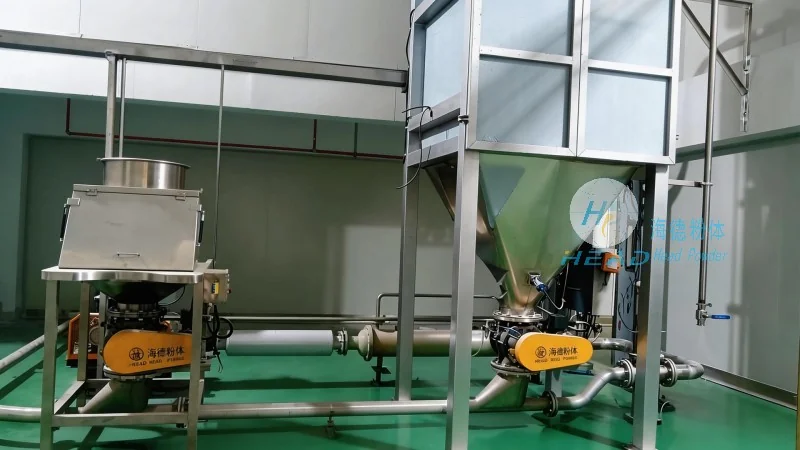
About HeadPowder: A Leader in Pneumatic Conveying Solutions
HeadPowder, or Shandong HeadPowder Engineering Co., Ltd., is a prominent company based in Shandong, China, specializing in the design, manufacturing, and implementation of advanced pneumatic conveying systems. With a focus on innovation and customer-centric solutions, HeadPowder has established itself as a trusted partner for industries relying on activated carbon processing and handling. The company's expertise spans various conveying technologies, ensuring optimal performance and reliability for diverse operational needs.
Vacuum Pneumatic Conveying for Activated Carbon
Vacuum pneumatic conveying systems utilize a negative pressure environment to draw activated carbon particles from a source, such as a hopper or storage silo, and transport them to a destination, like a processing unit or storage tank. This method is particularly effective for handling fine or dusty activated carbon, as it minimizes particle loss and maintains a clean, controlled environment. The system typically consists of a vacuum pump, a conveying line, and a receiver, with the vacuum pressure ranging from 0.5 to 1 bar. The design ensures efficient particle movement while reducing the risk of clogging or blockages in the conveying line.
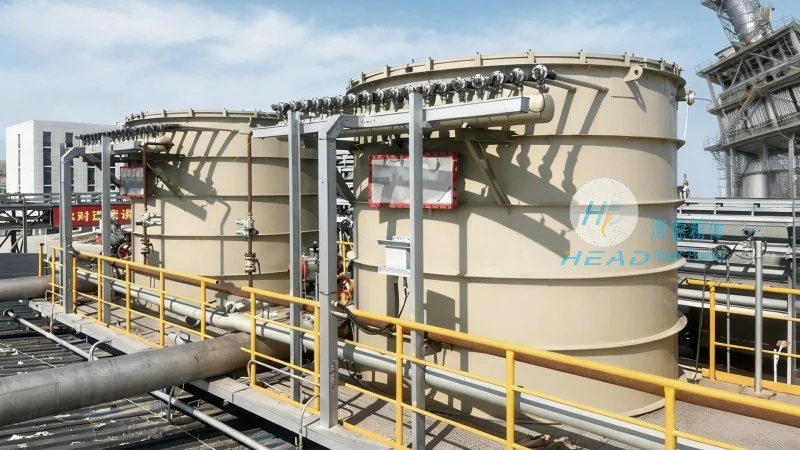
Key Features and Advantages of Vacuum Conveying
One of the primary advantages of vacuum pneumatic conveying is its ability to handle delicate or abrasive materials without causing damage. The low pressure and gentle airflow prevent particle breakage, preserving the activated carbon's quality and effectiveness. Additionally, vacuum systems are well-suited for long-distance conveying, as the negative pressure can maintain a consistent flow over extended distances. The closed system design also enhances safety by containing dust and preventing environmental contamination, making it an ideal choice for industrial applications where air quality and material integrity are paramount.
Positive Pressure Pneumatic Conveying for Activated Carbon
Positive pressure pneumatic conveying operates by generating a positive pressure within the conveying line, pushing activated carbon particles from a source to a destination. This method is often preferred for applications requiring high flow rates or the transport of larger, bulkier particles. The system uses a blower or compressor to create the positive pressure, with pressures typically ranging from 1 to 5 bar. Unlike vacuum systems, positive pressure conveying does not rely on external suction, making it suitable for scenarios where the source and destination are at different elevations or require a more robust conveying force.
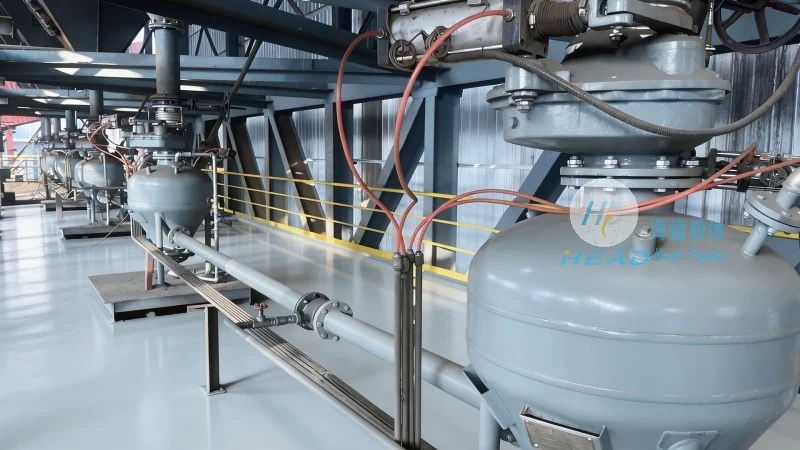
Advantages of Positive Pressure Conveying
Positive pressure systems offer several benefits, including higher conveying capacities and the ability to handle a wider range of particle sizes. The positive pressure ensures consistent flow rates, even in challenging conditions, such as high ambient temperatures or long conveying distances. Additionally, these systems are less susceptible to clogging compared to vacuum systems, as the positive pressure helps to maintain the flow of particles through the line. The closed-loop design also contributes to energy efficiency, as the system can recycle excess air and minimize energy waste.
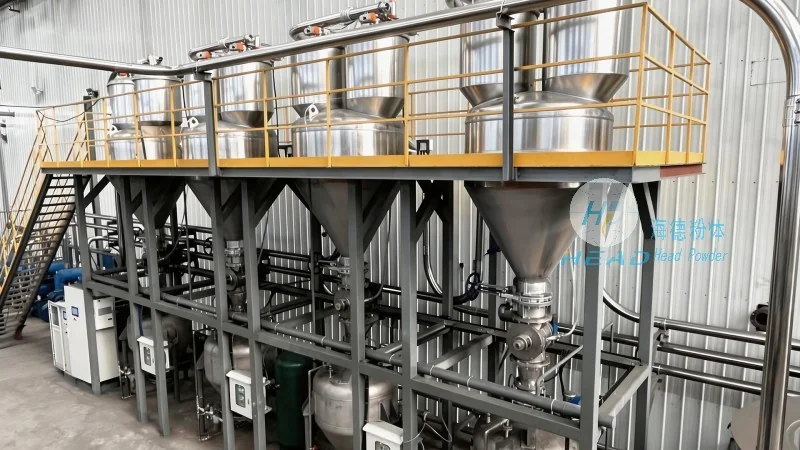
Application Examples in Activated Carbon Processing
Both vacuum and positive pressure pneumatic conveying systems are widely used in the activated carbon industry. For instance, in water treatment facilities, vacuum conveying is often employed to transport activated carbon from storage silos to filtration units, ensuring a continuous supply of high-quality carbon for water purification. In industrial manufacturing, positive pressure systems may be used to move activated carbon from a production line to a storage area, supporting high-volume production processes. The choice between the two systems depends on factors such as the particle size, flow rate requirements, and the physical layout of the facility.
Conclusion: Choosing the Right Pneumatic Conveying System
When selecting a pneumatic conveying system for activated carbon, it is essential to consider the specific operational requirements and material characteristics. Vacuum systems excel in handling fine particles and maintaining a clean environment, while positive pressure systems offer higher flow rates and robustness for bulk material transport. By understanding the differences between these technologies and their applications, industries can optimize their material handling processes, improve efficiency, and ensure the consistent quality of their activated carbon products. HeadPowder, with its expertise in both vacuum and positive pressure conveying, provides tailored solutions to meet the diverse needs of its clients, ensuring reliable and efficient activated carbon transportation.