

Lithium-Ion Battery Material Pneumatic Conveying Technology: In-Depth Analysis of Vacuum and Positiv
HeadPowder, a leading engineering firm based in Shandong, China, specializes in advanced pneumatic conveying solutions tailored for the lithium-ion battery material industry. The company's expertise lies in developing and implementing efficient systems that handle the unique challenges of transporting materials such as cathode powders, anode materials, and electrolyte components with precision and reliability.
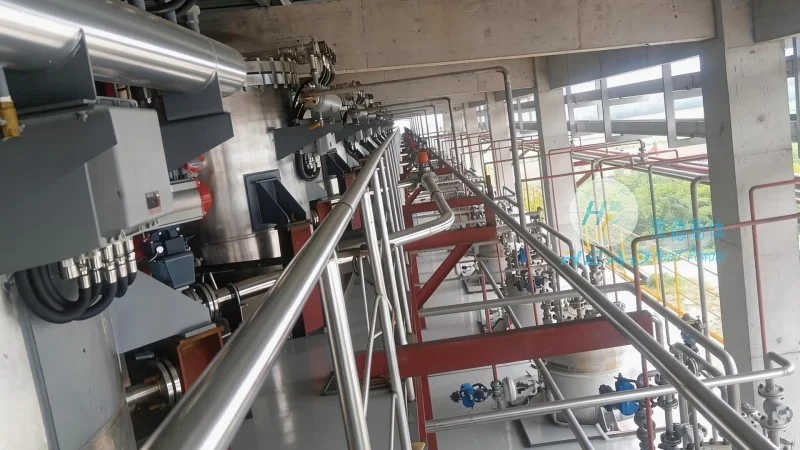
Understanding Pneumatic Conveying Systems for Battery Materials
Pneumatic conveying is a critical process in the manufacturing of lithium-ion batteries, as it enables the safe and efficient transport of powders and granules from one point to another within production lines. Two primary methods dominate this field: vacuum (or negative pressure) and positive pressure systems. Each approach offers distinct advantages and is selected based on the material properties, process requirements, and operational constraints of the battery manufacturing facility.
Vacuum Pneumatic Conveying: The Gentle Handling Solution
Vacuum pneumatic conveying systems operate by creating a negative pressure environment that draws material from a source, such as a hopper or storage silo, into a conveying line. This method is particularly well-suited for delicate materials that are prone to degradation or agglomeration under high pressure. The gentle handling characteristic of vacuum systems minimizes particle breakage and ensures that the material's physical properties remain intact throughout the transport process.
For lithium-ion battery materials, vacuum conveying is often preferred for handling sensitive powders like lithium cobalt oxide (LCO) or lithium iron phosphate (LFP). These materials are highly reactive and can be damaged by mechanical stress or high shear forces. The low-pressure environment of vacuum systems reduces the risk of particle attrition, preserving the material's surface area and chemical stability—factors that directly impact the performance and lifespan of the final battery cell.
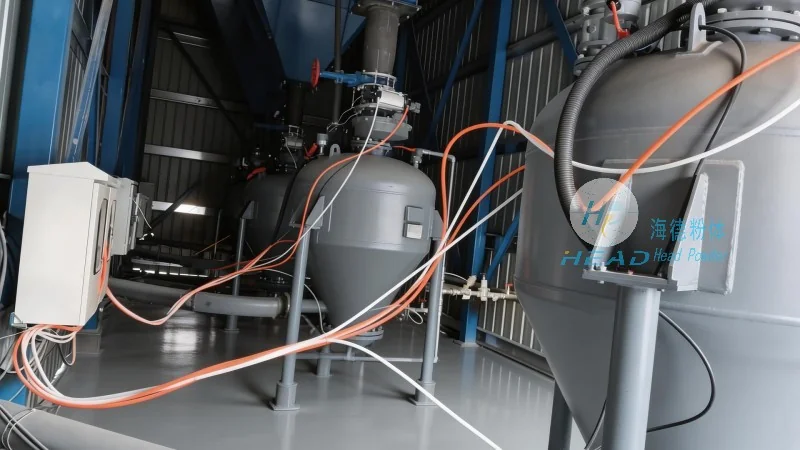
Positive Pressure Pneumatic Conveying: High-Flow and Durable Transport
In contrast, positive pressure systems generate a positive pressure within the conveying line, pushing material from a source to a destination. This approach is ideal for bulk material handling and applications where high flow rates are required. Positive pressure systems are typically more robust and can handle larger particle sizes or more abrasive materials without compromising efficiency.
When applied to lithium-ion battery production, positive pressure conveying is commonly used for transporting larger quantities of anode or cathode materials, such as graphite or nickel-manganese-cobalt (NMC) powders. The high-pressure environment ensures consistent flow rates and reduces the risk of blockages in the conveying line, making it suitable for high-throughput manufacturing environments. Additionally, positive pressure systems can be integrated with dust collection and filtration equipment, which is essential for maintaining air quality and compliance with environmental regulations in battery manufacturing facilities.
Key Considerations for Selecting the Right Conveying System
The choice between vacuum and positive pressure pneumatic conveying for lithium-ion battery materials depends on several critical factors. Material characteristics, such as particle size, density, and moisture content, play a significant role in determining the most effective system. For example, fine powders with high moisture content may require vacuum systems to prevent caking or agglomeration, while larger, less abrasive particles may benefit from positive pressure systems for faster throughput.
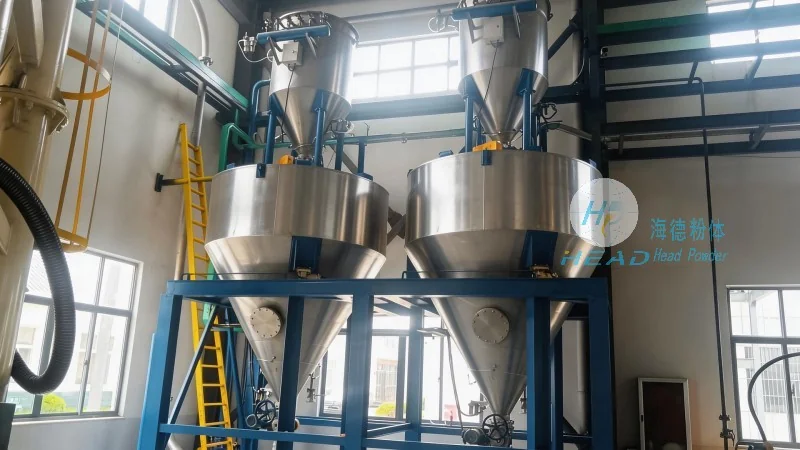
Process requirements, including the distance between the source and destination, the required flow rate, and the need for material mixing or blending, also influence the system selection. Vacuum systems are often preferred for short to medium transport distances and applications requiring gentle handling, whereas positive pressure systems are better suited for longer distances or high-volume production lines.
Operational constraints, such as space availability, energy consumption, and maintenance requirements, further shape the decision-making process. Vacuum systems typically consume less energy than positive pressure systems but may require more complex filtration and vacuum pump maintenance. Positive pressure systems, while more energy-intensive, offer simpler maintenance and are often more cost-effective for large-scale operations.
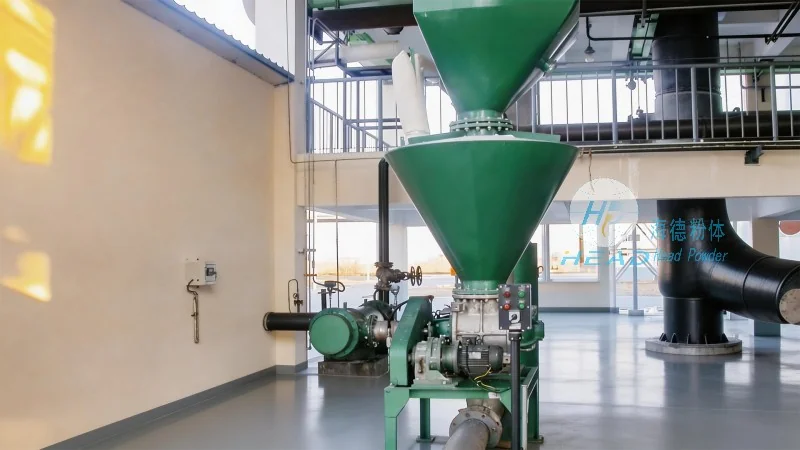
HeadPowder's Expertise in Customized Pneumatic Solutions
HeadPowder Engineering Co., Ltd., headquartered in Shandong, China, leverages its deep understanding of both vacuum and positive pressure pneumatic conveying technologies to design and implement tailored solutions for the lithium-ion battery industry. The company's team of engineers works closely with clients to assess their specific material handling challenges and process requirements, ensuring that the selected system optimizes efficiency, reduces downtime, and enhances overall production quality.
HeadPowder's customized solutions often integrate advanced features such as variable speed drives, real-time monitoring systems, and automated control interfaces. These features enable precise control over material flow rates, pressure differentials, and system performance, minimizing the risk of material loss or system failures. Additionally, the company's commitment to using high-quality components and adhering to international standards ensures that its pneumatic conveying systems meet the stringent quality and safety requirements of the battery manufacturing sector.
Conclusion: Enhancing Battery Production with Advanced Pneumatic Technology
As the demand for lithium-ion batteries continues to grow, the importance of efficient and reliable material handling systems cannot be overstated. Vacuum and positive pressure pneumatic conveying technologies offer distinct advantages for transporting lithium-ion battery materials, and the choice between them depends on the specific needs of the manufacturing process. By leveraging the expertise of companies like HeadPowder Engineering Co., Ltd., battery manufacturers can optimize their material transport operations, improve production efficiency, and ensure the consistent quality of their final products.