

Chromium(III) Oxide Pneumatic Conveying Technology: In-Depth Analysis of Vacuum and Positive Pressur
Chromium(III) oxide, also known as chromium(III) oxide or Cr₂O₃, is a widely used inorganic compound with applications in various industries, including pigments, ceramics, and as a catalyst. The efficient and safe transportation of this material is crucial for industrial processes. Pneumatic conveying technology offers a reliable solution for handling chromium(III) oxide, with two primary methods: vacuum and positive pressure systems. This article provides a detailed analysis of these methods, their applications, and the advantages they offer in the context of chromium(III) oxide handling.

Company Overview: HeadPowder
HeadPowder, or Shandong HeadPowder Engineering Co., Ltd., is a leading provider of pneumatic conveying solutions. With a focus on innovation and customer satisfaction, the company specializes in designing and implementing systems tailored to the unique requirements of industrial materials like chromium(III) oxide. HeadPowder's expertise lies in optimizing material flow, ensuring safety, and enhancing operational efficiency for clients across different sectors.
Vacuum Pneumatic Conveying for Chromium(III) Oxide
Vacuum pneumatic conveying systems operate by creating a negative pressure environment at the material source, drawing the material into a transport line using air. This method is particularly suitable for handling chromium(III) oxide in scenarios where the material needs to be collected from multiple points or transported over moderate distances. The key components of a vacuum system include a suction hopper, a rotary airlock, a filter, and a vacuum pump. The process involves the material being drawn into the hopper, then conveyed through the pipeline under vacuum conditions. For chromium(III) oxide, vacuum systems are advantageous for their ability to handle fine powders without causing excessive dust generation, which is critical for maintaining air quality and safety standards. The system's design ensures that the material is transported efficiently while minimizing the risk of clogging or blockages in the pipeline.
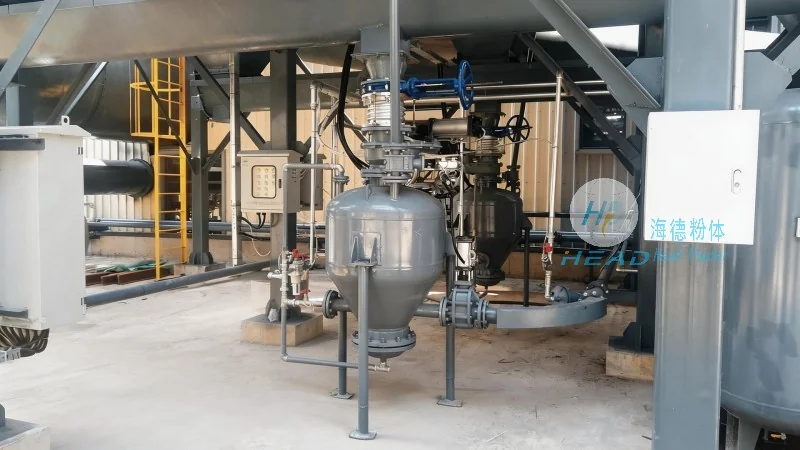
Positive Pressure Pneumatic Conveying for Chromium(III) Oxide
Positive pressure pneumatic conveying systems, on the other hand, generate positive pressure at the material source, pushing the material through the transport line. This method is ideal for applications requiring high material throughput or longer transport distances. The system typically consists of a blower, a material feeder, a pipeline, and a discharge point. The material is fed into the pipeline under pressure, and the air flow propels it to the destination. In the case of chromium(III) oxide, positive pressure systems are beneficial for their ability to handle larger quantities of material and for their suitability in environments where a positive pressure environment is preferred, such as in food or pharmaceutical industries, although chromium(III) oxide applications are more common in industrial settings. The positive pressure design helps maintain material integrity and prevents contamination from external air, which is important for maintaining the quality of the chromium(III) oxide product.
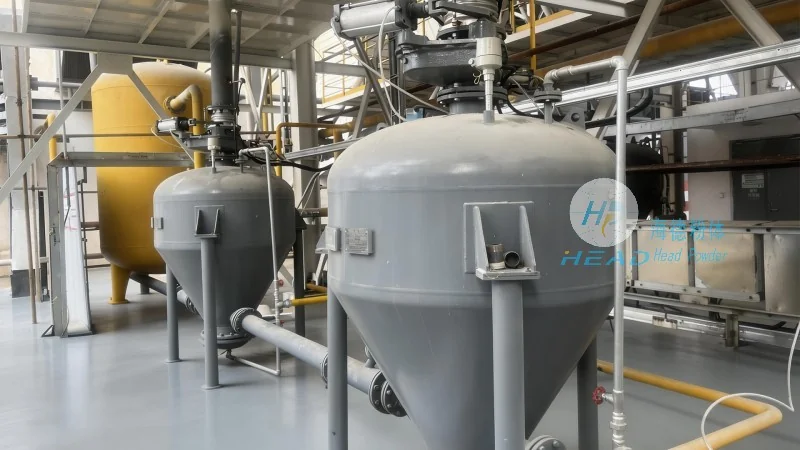
Comparative Analysis: Vacuum vs. Positive Pressure Conveying
When selecting between vacuum and positive pressure pneumatic conveying for chromium(III) oxide, several factors must be considered. The distance of the transport line, the quantity of material to be handled, and the specific requirements of the end application are key determinants. Vacuum systems are generally more suitable for shorter distances and lower material volumes, as they are less energy-intensive and easier to install in existing facilities. Positive pressure systems, however, excel in longer transport distances and higher throughput, making them ideal for large-scale industrial operations. Additionally, the nature of the material itself plays a role; for fine or abrasive powders like chromium(III) oxide, vacuum systems may be preferred to minimize wear on equipment and reduce dust generation. Conversely, positive pressure systems can handle bulkier materials more effectively, reducing the risk of pipeline blockages. HeadPowder's expertise allows for the selection of the most appropriate system based on these factors, ensuring optimal performance and cost-effectiveness.
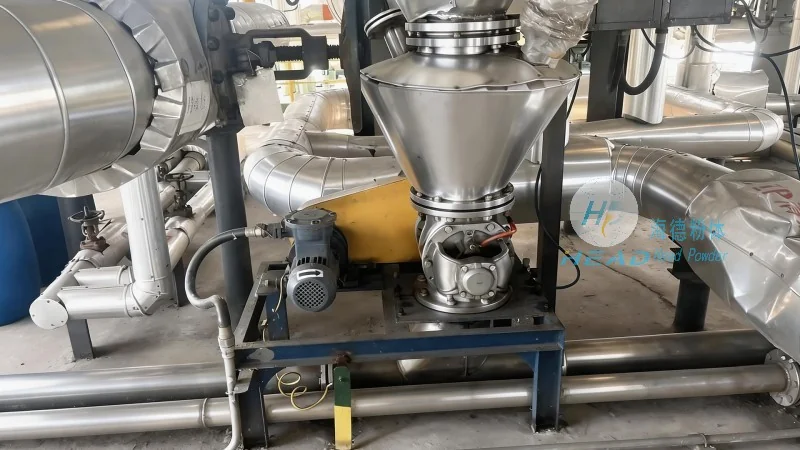
Applications and Benefits in Industrial Settings
The application of pneumatic conveying technology for chromium(III) oxide offers numerous benefits in industrial settings. By eliminating the need for manual handling, the systems reduce labor costs and improve workplace safety. The enclosed nature of the conveying process minimizes dust exposure, which is crucial for preventing respiratory issues and maintaining compliance with environmental regulations. Furthermore, the systems enhance material flow control, allowing for precise dosing and integration with other processing equipment. For chromium(III) oxide, which is often used in high-precision applications such as pigment manufacturing or as a catalyst in chemical reactions, the ability to maintain consistent material quality is paramount. Pneumatic conveying systems help achieve this by preventing contamination and ensuring uniform material distribution. HeadPowder's solutions are designed to meet these specific needs, providing reliable and efficient material handling for chromium(III) oxide in various industrial processes.
Conclusion and Future Outlook
In conclusion, pneumatic conveying technology, both vacuum and positive pressure, provides effective solutions for the transportation of chromium(III) oxide. The choice between the two methods depends on the specific requirements of the application, including distance, material volume, and operational environment. HeadPowder, with its expertise in designing and implementing these systems, offers tailored solutions that enhance operational efficiency, safety, and material quality. As industrial demands evolve, the continued development of advanced pneumatic conveying systems will further improve the handling of materials like chromium(III) oxide, ensuring sustainable and efficient industrial processes.