

[Polypropylene Resin Powder Pneumatic Conveying Technology: In-Depth Analysis of Negative Pressure a
For industries dealing with polypropylene resin powders, efficient material handling is crucial to maintain production efficiency and product quality. Pneumatic conveying technology offers a reliable solution, with negative pressure and positive pressure systems being the two primary methods. This article provides a comprehensive overview of these technologies, focusing on their principles, applications, and practical considerations, with insights from Shandong HeadPowder Engineering Co., Ltd. (headpowder), a leading provider in the field.
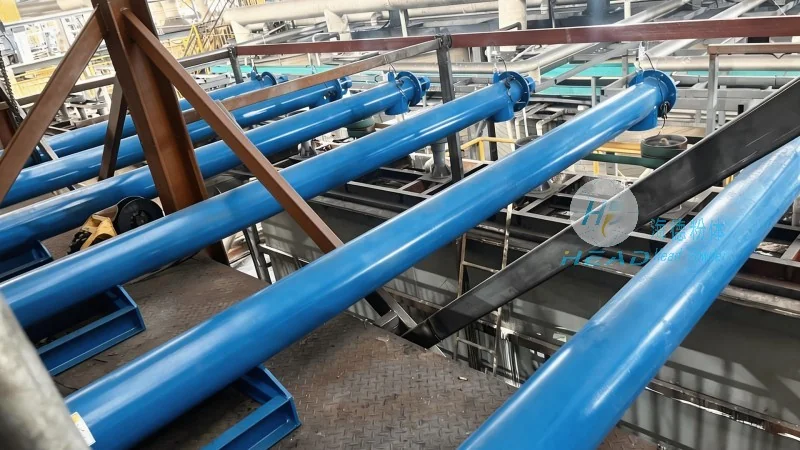
Pneumatic Conveying Fundamentals: Negative Pressure vs. Positive Pressure
Pneumatic conveying systems transport bulk materials like polypropylene resin powders using air flow. The key distinction lies in the pressure differential between the conveying line and the surrounding environment. Negative pressure (or vacuum) systems operate by creating a lower pressure inside the pipeline compared to the ambient air, drawing material into the system. Positive pressure systems, conversely, use higher pressure air to push material through the pipeline. Each method has its own advantages and is suited to different operational requirements.
Negative Pressure Pneumatic Conveying Systems
Negative pressure systems, also known as vacuum conveying, are widely used for polypropylene resin powders due to their gentle handling and ability to transport materials over long distances. The process typically involves a vacuum pump that creates a vacuum in the conveying line, which draws the resin powder from a hopper or storage container into the system. The material is then transported to the destination, such as a processing unit or silo, where the pressure is released and the powder is discharged. This method is particularly effective for handling fine powders that are prone to bridging or caking, as the low air velocity reduces particle impact and maintains material flow.
Key components of a negative pressure system include the vacuum pump, conveying line, material feed hopper, and receiver. The vacuum pump is responsible for maintaining the pressure differential, while the conveying line is designed to minimize pressure loss and ensure efficient material transport. The feed hopper is equipped with a rotary valve or feeder to control the flow rate of the resin powder, preventing overloading and ensuring consistent operation. The receiver, typically a silo or storage tank, collects the conveyed material and can be equipped with a discharge valve for controlled release.
Advantages of negative pressure systems include gentle material handling, which preserves the quality of polypropylene resin powders, especially for applications requiring high purity. They are also suitable for long-distance transport, as the vacuum can maintain a consistent flow over extended pipelines. However, these systems may have limitations in terms of material capacity and may require more maintenance due to the vacuum pump and associated components.
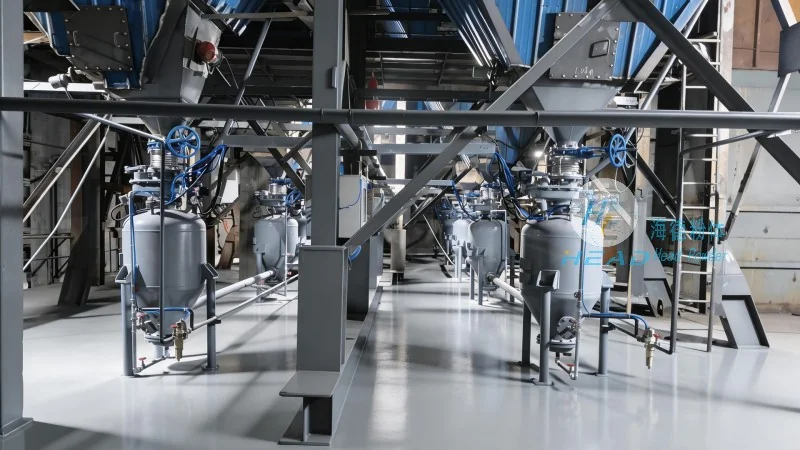
Positive Pressure Pneumatic Conveying Systems
Positive pressure systems use compressed air to push polypropylene resin powders through the conveying line. This method is often preferred for short to medium-distance transport and for materials that are less sensitive to impact or abrasion. The process involves a blower or compressor that supplies high-pressure air into the pipeline, which then carries the resin powder from the source to the destination. The material is discharged at the end of the line, often through a rotary valve or discharge port.
Components of a positive pressure system include the blower, conveying line, material feeder, and discharge equipment. The blower provides the necessary air pressure to move the material, while the feeder controls the flow rate of the resin powder. The conveying line is designed to handle higher air velocities compared to negative pressure systems, which can increase the risk of material degradation if not properly managed. Positive pressure systems are generally more cost-effective for shorter distances and for materials that do not require gentle handling.
Advantages of positive pressure systems include higher material throughput and lower maintenance requirements compared to negative pressure systems. They are also suitable for applications where the material is less prone to bridging or caking, as the higher air velocity can prevent particle accumulation. However, these systems may not be suitable for fine powders or materials that are sensitive to impact, as the higher air velocity can cause particle attrition and reduce product quality.
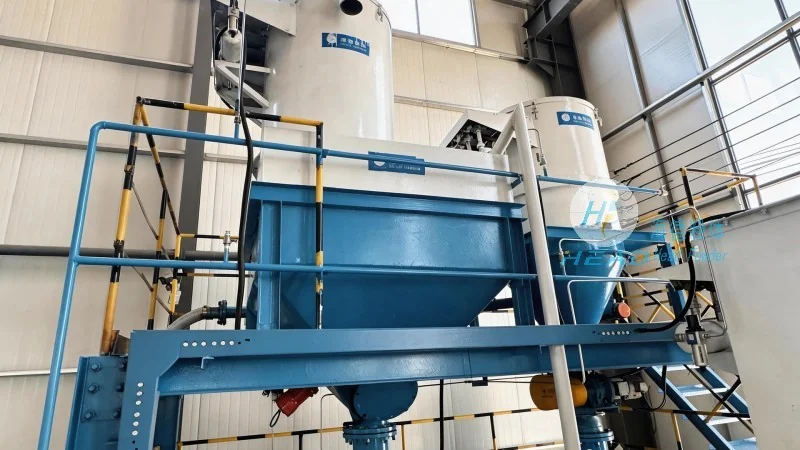
Application Considerations for Polypropylene Resin Powder Conveying
The choice between negative and positive pressure pneumatic conveying systems for polypropylene resin powders depends on several factors, including the material characteristics, transport distance, and operational requirements. For example, negative pressure systems are often preferred for long-distance transport of fine powders, as they provide gentle handling and maintain material quality. Positive pressure systems, on the other hand, are more suitable for short-distance transport of coarser powders or materials that require higher throughput.
Shandong HeadPowder Engineering Co., Ltd. specializes in designing and manufacturing customized pneumatic conveying solutions for polypropylene resin powders. The company’s expertise lies in understanding the unique properties of polypropylene and tailoring the conveying system to meet specific operational needs. By considering factors such as material flow rate, particle size, and transport distance, headpowder can recommend the most appropriate system for each application.
For instance, in a manufacturing facility that processes polypropylene resin powders for plastic molding, a negative pressure system may be used to transport the material from storage silos to the molding machines over a distance of several hundred meters. The system would be designed to handle the fine powder without causing caking or degradation, ensuring consistent material quality. Conversely, in a smaller facility where the resin powder is used for coating applications, a positive pressure system may be more appropriate for short-distance transport from a hopper to a spray gun.
Conclusion: Optimizing Pneumatic Conveying for Polypropylene Resin Powders
Pneumatic conveying technology, whether negative or positive pressure, plays a critical role in the efficient handling of polypropylene resin powders. By understanding the principles and applications of each system, manufacturers can select the most suitable method to maintain product quality, improve operational efficiency, and reduce downtime. Shandong HeadPowder Engineering Co., Ltd. offers comprehensive solutions tailored to the specific needs of polypropylene resin powder applications, ensuring that the chosen system meets both current and future operational requirements.